
The Republic of Botswana is positioning itself to bypass the common economic trap of importing clean technology while exporting the primary economic benefits. This strategic pivot marks a defining moment in the nation’s history, as it seeks to redefine its identity from a mineral-dependent economy to a sophisticated hub for green industrialization. Launched in late 2026 during high-level international climate and diplomatic meetings in New York City, the Botswana National Renewable Energy Power Sector Plan and the Clean Technology Manufacturing Policy and Investment Guide represent a dual-pronged approach to sovereignty. By coordinating these efforts, the Ministry of Minerals and Energy, supported by Sustainable Energy for All, has crafted a blueprint that does more than just address climate concerns. It establishes a framework where every watt of clean energy generated serves as a catalyst for local business growth, technological advancement, and long-term economic stability. The government recognizes that the global energy transition is not merely a technical shift but a socio-economic opportunity to build a more resilient and self-sufficient nation. This roadmap provides a clear signal to international partners and domestic stakeholders that Botswana is no longer a passive participant in the global market but a proactive architect of its own sustainable future.
Technical Foundations: Expanding the Power Sector
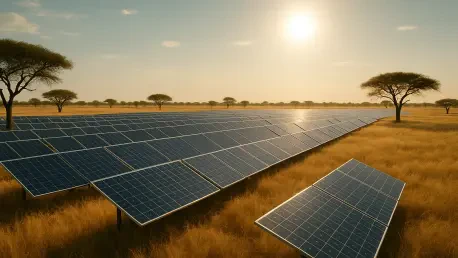
The Botswana National Renewable Energy Power Sector Plan serves as the analytical core of the country’s energy transition, providing a detailed technical guide for the coming years. This plan establishes the necessary investment priorities to achieve a 50% renewable energy contribution to the national electricity mix by 2030. A central component of this initiative is the massive scaling of solar photovoltaic capacity, with a specific target of reaching 1.5 gigawatts. Additionally, the roadmap integrates substantial new investments in wind energy infrastructure, acknowledging the need for a diversified energy portfolio. By setting these clear, data-driven targets, the government is providing the private sector with a transparent timeline for development. This level of planning is essential for transforming the current energy landscape, which has historically relied on fossil fuels and external imports. The move toward a renewable-dominant grid is presented not just as an environmental necessity, but as a strategic maneuver to lower long-term energy costs and ensure that the nation can meet its growing power demands independently.
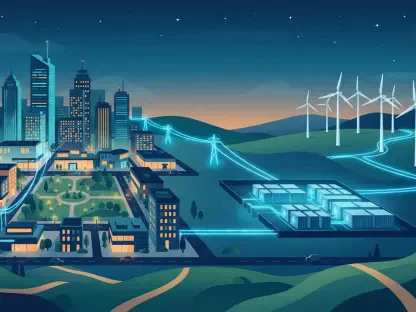
Beyond merely setting generation targets, the power sector plan establishes a financeable pathway designed to attract significant private capital. It identifies critical systemic requirements, such as the need for a more resilient transmission grid and enhanced distribution networks capable of handling variable power sources. Modernizing the grid involves more than just physical wires; it requires the integration of sophisticated grid management systems and energy storage solutions to balance the intermittency of solar and wind power. By addressing these technical hurdles upfront, the government provides the clarity and long-term stability that institutional investors require before committing to large-scale infrastructure projects. This systematic approach ensures that the expansion of renewable capacity is matched by a grid that is flexible and robust enough to distribute power efficiently to both urban centers and remote industrial sites. Consequently, this technical foundation acts as a derisking mechanism, paving the way for a wave of new energy projects that will define the country’s utility landscape through 2026 and beyond.
Industrial Growth: Catalyzing Clean Technology Manufacturing
Complementing the power sector expansion is the Clean Technology Manufacturing Policy and Investment Guide, which focuses on the production of energy equipment rather than just its consumption. This guide outlines specific opportunities for domestic businesses to participate meaningfully in the renewable energy supply chain. The primary goal is to move beyond the simple installation of imported hardware and foster a local industry capable of assembling solar modules, manufacturing specialized components, and producing structural hardware. By identifying these high-value segments of the value chain, Botswana aims to retain a larger share of the economic activity generated by its energy projects. This policy encourages international technology providers to partner with local firms, facilitating the transfer of technical knowledge and manufacturing expertise. Such a move is expected to create a ripple effect throughout the economy, stimulating growth in related sectors such as logistics, construction, and specialized engineering, while simultaneously reducing the nation’s trade deficit by substituting imports with locally produced goods.
The government has also identified several key areas for high-level commercial development, including mineral processing and technical service sectors. By leveraging Botswana’s natural resources to process minerals essential for battery storage and high-tech components, the nation can secure a vital place in the global energy value chain. Instead of merely exporting raw materials, the focus has shifted toward creating added value within the country’s borders. Additionally, a robust service sector for the maintenance, monitoring, and repair of renewable systems is expected to provide high-skill, long-term employment for the local workforce. These roles are essential for the longevity of renewable installations and offer stable careers that are less susceptible to the boom-and-bust cycles typical of traditional mining. By fostering an ecosystem where manufacturing and services grow in tandem, the country is building a diversified industrial base that can support a modern, tech-driven economy. This strategic focus ensures that the green transition serves as a durable engine for job creation and industrial modernization across multiple regions.
Energy Sovereignty: Reducing Vulnerability and Enhancing Security
For decades, Botswana’s economy has been vulnerable to the fluctuations of global commodity markets due to its heavy reliance on mining exports. These new energy instruments offer a direct solution for economic diversification by providing reliable, domestically produced power for digital infrastructure, commercial services, and advanced manufacturing. Reducing the country’s dependence on energy imports from neighboring nations is a primary driver of this strategy, moving the nation toward total energy self-sufficiency. In the current regional climate, where energy shortages can disrupt industrial output, having a secure and independent power supply is a significant competitive advantage. This autonomy allows the government to offer more stable electricity prices to businesses, making the country an attractive destination for energy-intensive industries. By decoupling the national economy from the volatility of external energy markets, Botswana is building a foundation of resilience that will protect its growth prospects against future geopolitical or economic shocks.
The ultimate objective of this roadmap is to transform the country from a net importer into a prominent net exporter of green electricity. By increasing domestic generation through renewable sources, Botswana aims to produce a surplus that can be directed into the Southern African Power Pool. This transition would reposition the nation as a vital energy hub in the region, enhancing its diplomatic and economic influence among its neighbors. Exporting clean energy not only generates additional foreign exchange revenue but also contributes to the regional decarbonization goals of the Southern African Development Community. This shift represents a fundamental change in the country’s regional economic role, moving from a consumer of regional resources to a provider of sustainable solutions. As the demand for clean power grows across the continent, Botswana’s early investment in large-scale renewable infrastructure and export-ready transmission lines places it at the forefront of the African energy market, ensuring that it remains a key player in the regional economy for years to come.
Human Capital: Developing a Skilled Green Workforce
The success of this comprehensive industrial policy is deeply dependent on the development of a workforce equipped with specialized technical skills. The government recognizes that the transition to a green economy requires a steady pipeline of engineers, project managers, financiers, and technicians. To address this, educational programs and vocational training centers are being aligned with the investment opportunities identified in the manufacturing guide. This alignment ensures that citizens are prepared for the emerging roles in clean-tech assembly, grid management, and system maintenance. By investing in its people, the nation is ensuring that the economic benefits of the energy transition are shared broadly across the population. This focus on human capital is not just about filling immediate jobs; it is about building a knowledge-based economy where local expertise can drive future innovation. Training initiatives are designed to be inclusive, reaching diverse communities and providing the skills necessary for the modern job market, thereby reducing unemployment and fostering social stability.
In addition to developing skills, the roadmap emphasizes the importance of modernizing physical infrastructure to support a decentralized energy model. Increased generation capacity is only effective if the power can reliably reach end-users, from major industrial hubs to remote rural villages. The strategy stresses the necessity of upgrading the national grid to accommodate the bidirectional flow of electricity and the variable nature of renewable sources. This infrastructure modernization is viewed as both a technical necessity and an economic priority, as it ensures that every sector of society has access to consistent and affordable power. Strengthening the transmission network allows for the integration of small-scale distributed energy projects, such as community solar farms, which can improve energy access in underserved areas. By building a grid that is as modern as the generation technology it supports, Botswana is creating a seamless energy environment that fosters innovation and supports the growth of small and medium-sized enterprises, which are the backbone of a diversified economy.
Regional Connectivity: Accessing Continental Markets
Given its relatively small domestic population, Botswana is looking toward broader regional frameworks to achieve the economies of scale necessary for manufacturing success. The strategy purposefully situates the nation’s ambitions within the context of the Southern African Development Community and the African Continental Free Trade Area. These agreements allow Botswana-based manufacturers to access a much larger continental market, making local production of solar components and energy hardware more commercially viable. By positioning itself as a manufacturing hub for the region, the country can attract larger investments that might otherwise go to more populous nations. The focus is on developing specialized, high-quality products that meet regional standards and can be exported efficiently across borders. This regional outlook ensures that the domestic manufacturing sector is not limited by local demand but can grow into a significant contributor to the national GDP through robust export activity, leveraging the country’s central geographic location and stable political environment.
The final phase of this roadmap involves a dedicated shift from high-level ambition to practical, everyday implementation. This requires maintaining a stable and transparent investment climate that continues to build trust with global financial institutions and private developers. Ensuring cost competitiveness against established global players remains a challenge, but one that the government plans to meet through targeted incentives, efficient logistics, and the high-quality standards of its domestic production. Furthermore, the strategy upholds rigorous environmental standards throughout the manufacturing process, ensuring that the growth of the green economy does not come at the cost of local ecosystems. By linking energy policy with industrial growth and regional trade, Botswana is providing a sophisticated template for how resource-rich nations can lead the global transition. This approach demonstrates that with the right policy mix and a focus on value addition, emerging economies can move to the center of the global sustainable future, creating a legacy of prosperity and innovation.
Strategic Implementation: Securing a Resilient Economic Future
The introduction of these strategic instruments established a new precedent for African energy policy and national development planning. Moving forward, the focus shifted to the rigorous enforcement of technical standards and the creation of targeted tax incentives designed to support clean-tech startups. To maintain the momentum of the launch, the government accelerated the implementation of several public-private partnerships that specialized in grid-scale battery storage and advanced solar tracking systems. Policymakers also recognized the need for a semi-annual review process to adapt to rapid technological shifts in energy efficiency and manufacturing automation. This iterative approach allowed the Ministry of Minerals and Energy to fine-tune its investment guides based on real-world feedback from the industrial sector. By prioritizing these concrete steps, Botswana began the work of transforming its national vision into a lived reality, ensuring that the infrastructure and skills built today remain relevant for decades.
As the program matured, the integration of renewable energy into the national mining sector became a primary focus for long-term sustainability. Industrial leaders were encouraged to adopt onsite solar and wind solutions to power their operations, which significantly lowered the carbon footprint of the nation’s primary exports. The government also prioritized the expansion of technical training academies, ensuring that the first wave of graduates entered the workforce just as the major manufacturing plants reached full capacity. These actions demonstrated a commitment to a holistic transition that balanced economic growth with social equity and environmental stewardship. By the time the initial targets were assessed, the country had successfully built a foundation of trust with international investors and a sense of ownership among its citizens. The path was set for a more resilient, diversified economy that no longer simply reacted to global energy changes but actively participated in driving the continent toward a cleaner and more prosperous era.