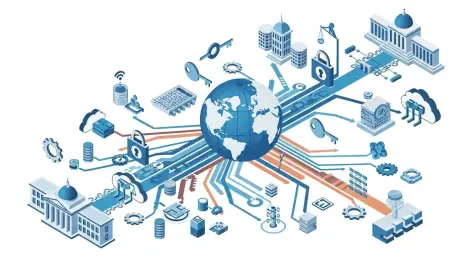
Data sovereignty is not a data center location problem. It is a control problem. Jurisdiction, operator access, encryption key custody, and legal exposure decide who wins public contracts, what workloads are eligible for Cloud, and how margins hold up in regulated sectors. For Cloud providers,
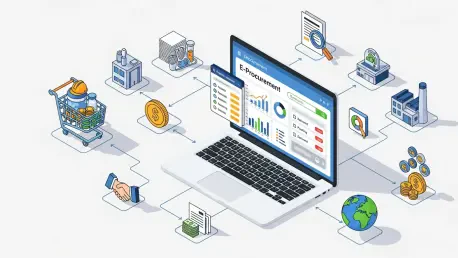
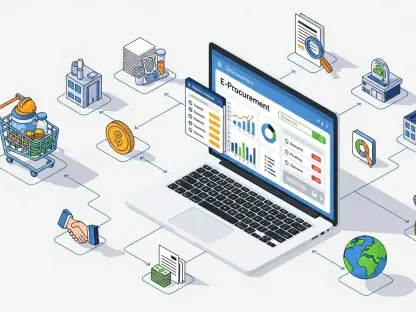
Public procurement is one of the largest levers in public finance. When budgets are tight and scrutiny is intense, paper-driven purchasing increases cost, risk, and time. E-procurement is not a shopping cart. It is the control system that turns policy into predictable outcomes across sourcing,

Policy is no longer background noise. Tariffs, industrial incentives, and regulatory standards are now direct demand signals that move price, lead time, and market share. Treat them as design inputs, and policy turns into a source of pricing power, pipeline growth, and operational resilience. The

The term "smart city" has become a fixture in urban planning, promising a future of optimized infrastructure and seamless public services. Yet for many municipal leaders, the reality falls short of the hype. Cities are drowning in data from sensors, cameras, and connected devices, but they are

For most people, “government speed” still means delays, paperwork, and confusion. While the private sector runs on real-time updates and automation, many government departments lag behind. This isn’t just a tech problem; it’s a trust problem. In a poll by Cornell University, 62% of Americans report

Every year, the IRS implements inflation-related modifications to more than 60 tax provisions to keep income tax brackets, deductions, and other elements in line with the shifts in the cost of living. For the tax year 2025, which pertains to returns submitted in 2026, these modifications resulted