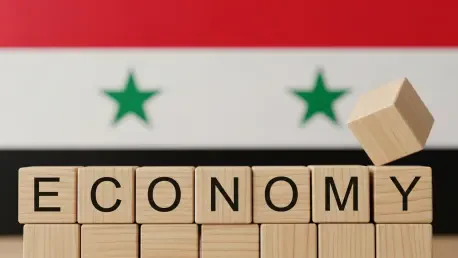

A New Currency for a New Era
In a move signaling a definitive break from a devastating past, Syria’s new government has launched a sweeping monetary reform centered on the introduction of redesigned banknotes. This multifaceted initiative is more than just a logistical update; it is a calculated effort to stabilize a battered economy, restore public confidence, and forge a new national identity free from the shadows of a decade-long conflict. The overhaul, which replaces the old Syrian pound, aims to tackle both the practical burdens of hyperinflation and the symbolic weight of the previous regime. This article explores whether these new banknotes can serve as the cornerstone of Syria’s economic reconstruction, analyzing the practical measures and symbolic shifts that define this critical moment.
The Legacy of a Decade of Devaluation
To understand the significance of the new currency, one must first grasp the sheer scale of the economic collapse that preceded it. The Syrian civil war, which began in 2011, decimated the nation’s economy and triggered catastrophic hyperinflation. The Syrian pound, once valued at 50 to the US dollar, plummeted to an astonishing 11,000, rendering it nearly worthless. This devaluation forced citizens to carry massive wads of cash for even the simplest daily transactions, turning routine purchases into a logistical nightmare. Compounding this crisis, the nation’s foreign exchange reserves cratered from a healthy $17 billion in 2010 to a meager $200 million. This backdrop of economic ruin created an urgent need for a drastic intervention to restore any semblance of monetary stability and public trust.
The Dual Pillars of Monetary Reform
A Symbolic Break from the Past
One of the most profound changes in the new currency is not economic but symbolic. All images of the al-Assad family have been removed from the banknotes, a move the new leader, Ahmed al-Sharaa, described as the end of an “unlamented phase” and a rejection of the “veneration of individuals.” In their place, the new bills—ranging from 10 to 500 pounds—feature agricultural symbols like roses, wheat, and olives, grounding the nation’s identity in its land and heritage rather than a political dynasty. This visual rebranding has been met with public approval, with one Damascus resident calling the presence of the former president’s image “ridiculous.” By erasing the old symbols of power, the government aims to foster a new sense of collective identity and signal a genuine political transformation.
Tackling Hyperinflation Head-On
On the practical economic front, the reform directly confronts the debilitating effects of hyperinflation through redenomination. By removing two zeros from the banknotes, the government has simplified financial transactions without altering the currency’s underlying value. This measure, which went into effect on January 1, is designed to restore functionality and ease to daily commerce. While it is not a cure for the root causes of inflation, it is a crucial first step in making the currency usable again. The goal is to move beyond the absurdity of needing a wheelbarrow of cash for groceries and restore a sense of normalcy to the marketplace, thereby rebuilding domestic confidence in the Syrian pound.
Beyond Currency: The Role of International Support
The success of Syria’s monetary overhaul is not solely dependent on the design of its banknotes. The initiative is being powerfully reinforced by critical external factors that provide a vital lifeline for the nation’s recovery. The permanent lifting of the stringent US “Caesar sanctions” has removed a major impediment to international trade and investment, opening the door for economic normalization. Furthermore, substantial financial investments from Gulf Arab states are providing the capital injection necessary to fund reconstruction and stabilize the national budget. This combination of sanctions relief and foreign aid provides the foundational support required for the new currency to gain traction and for the broader strategy of economic revitalization to succeed.
Future Prospects and a Path to Stability
The introduction of new banknotes is the first step in a long and arduous journey toward economic recovery. The true test will be whether these initial reforms can build lasting momentum. The immediate goals are clear: restore faith in the Syrian pound, simplify commerce, and project an image of stability to both the Syrian people and the international community. Looking ahead, the government’s ability to attract further foreign investment, rebuild critical infrastructure, and implement sound fiscal policies will determine if this currency overhaul becomes a turning point or a temporary fix. The confluence of domestic reform, the lifting of sanctions, and Gulf investment creates a rare window of opportunity to reset the economy on a path toward sustainable growth.
A Blueprint for Economic and National Revival
The Syrian currency reform offers a clear blueprint for post-conflict economic recovery, underscoring several key takeaways. First, symbolic actions, such as removing politically charged imagery from currency, are essential for healing national wounds and building public buy-in for a new political reality. Second, practical measures like redenomination are vital for addressing the immediate, tangible problems caused by hyperinflation. Finally, and most critically, domestic monetary policy cannot succeed in a vacuum. The Syrian case demonstrates that such reforms are only viable when supported by a favorable international environment, including the removal of sanctions and the infusion of foreign capital.
A New Chapter or Just a New Page?
Ultimately, the launch of new banknotes marks a pivotal moment for Syria, representing a bold attempt to close a dark chapter and begin anew. By blending symbolic rebranding with practical economic adjustments, the government has laid the groundwork for a potential recovery. The initiative is a powerful statement of intent, aiming to restore both the value of the Syrian pound and the dignity of the Syrian people. However, currency is only a symbol of a nation’s economic health. The long-term significance of this reform will depend on whether it is followed by the deep, structural changes needed to rebuild a nation from the ground up, turning this new page into a genuinely new and prosperous chapter.