
The silent hum of a thriving metropolitan economy depends entirely on an invisible infrastructure that many citizens only notice when the lights flicker or when the cost of living takes an unexpected climb during the height of a summer heatwave. As of mid-2026, the Omaha Public Power District stands at a significant crossroads, attempting to manage a supply-and-demand gap that has evolved from a theoretical concern into a tangible economic barrier. The utility, which provides electricity to the most densely populated and industrially active sectors of Nebraska, currently operates within a regional landscape defined by rapid technological shifts and aging infrastructure. While Omaha has historically enjoyed some of the most competitive energy rates in the United States, the sudden surge in heavy industrial interest has placed a spotlight on the inherent limitations of the current power grid and the urgent need for a massive overhaul in generation capacity.
The local energy industry is no longer just about providing power to residential neighborhoods and small businesses; it has become a central pillar of state-level economic development strategy. Currently, the market is segmented into traditional residential services, commercial operations, and a rapidly expanding industrial sector dominated by hyperscale data centers. Technological influences such as the rise of artificial intelligence and high-density computing are forcing utilities to rethink their load profiles, as these facilities operate at a near-constant maximum capacity unlike the variable cycles of a typical city. Relevant regulations, specifically those governing regional transmission organizations and carbon emission targets, are also playing a larger role in how OPPD manages its diverse portfolio of nuclear, coal, natural gas, and renewable resources.
The Current State of the Omaha Energy Landscape
The current operational environment for the Omaha Public Power District is characterized by a high degree of urgency as the available surplus of electrical capacity has reached critically low levels. Industrial experts report that the utility has less than 100 megawatts of unallocated power ready for new, large-scale projects. To provide perspective on this figure, a single modern skyscraper in the city center can consume up to seven megawatts, meaning the current cushion is insufficient for more than a handful of major commercial developments. This scarcity has transformed energy availability into the primary currency of economic development, where the ability to provide a stable connection now outweighs tax incentives or land availability when corporations decide where to locate their next major facility.
The existing infrastructure is currently undergoing a multi-year transition from 2026 to 2030 to replace older, less efficient units with modern peaking plants and expanded renewable arrays. However, the speed of this transition is being outpaced by the sheer volume of requests from the technology and manufacturing sectors. Market players, ranging from global tech giants to local agricultural processors, find themselves in a competitive queue for power that could take years to clear. Regulations from the Southwest Power Pool have further tightened the available supply by mandating higher reserve margins to prevent grid failure during extreme weather events, effectively locking away power that might have otherwise been used to fuel immediate industrial growth.
Forces Shaping Omaha’s Power Demand and Infrastructure
Emerging Trends in Industrial Consumption and Hyperscale Growth
A primary driver of the current capacity strain is the unprecedented expansion of hyperscale data centers within the Nebraska borders. These facilities, which serve as the backbone for global cloud computing and artificial intelligence, require energy at a scale that was previously unimaginable for the region. Unlike traditional manufacturing plants that might scale their operations based on shifts or seasonal demand, data centers maintain a flat, high-intensity load twenty-four hours a day. This evolution in consumer behavior has shifted the utility’s planning focus away from managing peak evening surges toward maintaining a much higher baseline of constant generation. The arrival of these tech giants has created new opportunities for high-paying jobs and significant tax revenue, yet it simultaneously threatens to exhaust the very resources that attracted them to the area in the first place.
Moreover, the trend toward industrial electrification is not limited to the technology sector, as traditional manufacturers are also abandoning fossil fuels in favor of electric processes to meet their internal sustainability goals. In the industrial corridors of Washington and Douglas counties, heavy machinery and heating systems that once ran on natural gas are being replaced with electric alternatives. This shift, combined with the increasing adoption of electric vehicles by the general public, creates a cumulative effect that compounds the pressure on the distribution network. As more segments of the economy move toward a purely electric model, the demand for reliable, high-capacity infrastructure becomes a prerequisite for any further regional expansion.
Quantifying the Deficit: Projections and Performance Indicators
Data projections indicate that the gap between current capacity and potential demand is widening at an alarming rate. While the utility can maintain standard services for residential growth, the queue of potential industrial projects seeking power currently exceeds 5,000 megawatts. If every project in the current development pipeline were to be approved and built, the Omaha Public Power District would need to more than double its current generation portfolio by 2035. This represents a staggering investment in new infrastructure, and the performance indicators suggest that even a moderate growth scenario would require at least 1,000 megawatts of new generation just to keep the lights on for existing customers while allowing for modest commercial expansion.
The forward-looking perspective provided by utility analysts suggests two distinct paths for the region: a conservative approach that risks economic stagnation or an aggressive expansion that carries significant financial risk for ratepayers. If the utility overbuilds and the anticipated industrial demand fails to materialize, the cost of the multi-billion-dollar infrastructure projects would fall onto the shoulders of local residents and small businesses. Conversely, if the utility under-builds, Omaha will likely continue to lose high-value deals to competing regions that have already secured their energy futures. These projections highlight the high-stakes nature of the 2026 to 2028 planning cycle, where decisions made today will dictate the economic resilience of the city for the next quarter-century.
Navigating the Obstacles to Regional Energy Expansion
One of the most persistent obstacles to expanding the energy footprint in the Omaha region is the mounting resistance to large-scale renewable projects in rural Nebraska. While the metropolitan area drives the demand, the actual generation infrastructure—such as massive wind farms and solar arrays—must be built on agricultural land in neighboring counties. This has led to a geographic and political disconnect where rural communities often feel their landscapes are being sacrificed for the benefit of urban industrial growth. Local zoning restrictions, misinformation regarding the health impacts of renewable tech, and concerns over the loss of prime farmland have resulted in several counties implementing moratoriums or strict regulations that effectively stall new energy development.
Technological and supply chain challenges also present significant hurdles to quick expansion. Even when funding and land are secured, the lead times for critical equipment like high-voltage transformers and natural gas turbines have stretched into several years. The global competition for these components means that utility managers in Omaha are competing with cities across the world for the same resources. Additionally, the physical modernization of the grid requires a specialized workforce that is currently in short supply. Training the next generation of electrical engineers and lineworkers is a slow process that cannot be accelerated to match the immediate demands of a data center that can be constructed in eighteen months.
The Regulatory Framework and its Impact on Utility Planning
The regulatory landscape has become increasingly complex since the regional grid underwent a series of stresses caused by extreme weather events between 2021 and 2024. The Southwest Power Pool, which oversees the transmission of electricity across several states, has implemented stringent new standards for resource adequacy and reserve margins. These compliance measures are designed to ensure that the grid remains stable even if multiple power plants go offline simultaneously during a crisis. However, these same regulations restrict the amount of “firm” power that OPPD can market to new industrial clients, as a larger portion of their generation must be held in reserve for emergency scenarios. This focus on reliability and security has created a safer grid but has also made it much harder to accommodate rapid industrial growth.
Furthermore, state and federal laws regarding carbon emissions and the transition to cleaner energy sources are reshaping the long-term planning of utility boards. There is significant public and regulatory pressure to retire older coal-fired units, yet these plants provide a level of reliability that weather-dependent renewables cannot yet match without massive investments in battery storage. The role of compliance is no longer just a legal hurdle; it is a fundamental driver of where the utility invests its capital. Navigating these overlapping layers of local, regional, and federal oversight requires a sophisticated balancing act that often pits environmental goals against the immediate need for industrial power capacity.
The Path Forward: Innovation and Strategic Diversification
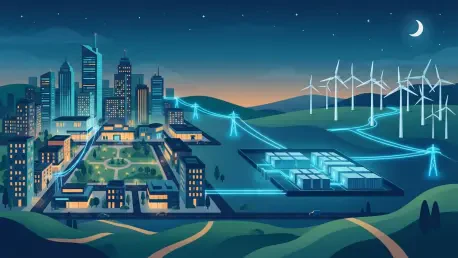
As the industry looks toward the next decade, the path forward will likely involve a more diversified and technologically advanced energy portfolio. Emerging technologies such as small modular reactors represent a potential game-changer for the region, offering a source of carbon-free, high-capacity base load power that can be built on a smaller footprint than traditional nuclear plants. While these reactors are still in the early stages of deployment, OPPD is actively participating in consortiums to study their feasibility for the Omaha market. Innovation in long-duration energy storage is another area of intense interest, as it would allow the utility to capture excess wind and solar energy and release it during periods of high demand, effectively bridging the gap left by retiring fossil fuel plants.
Strategic diversification also includes a shift in how the utility interacts with its largest customers. Future growth areas will likely see a model where hyperscale data centers are required to contribute directly to the generation of the power they consume, perhaps by funding dedicated renewable sites or investing in grid-balancing technologies. This collaborative approach could mitigate the financial risk to residential ratepayers while ensuring that the city remains attractive to the tech sector. Moreover, the move toward smart grid technology will allow for better demand-side management, where commercial consumers can be incentivized to reduce their usage during peak times through automated systems, thus freeing up capacity for other critical infrastructure.
Strategic Synthesis and the Outlook for Economic Resilience
The investigation into Omaha’s energy landscape revealed that the historical reliance on a surplus of low-cost power reached its natural limit as the digital economy expanded. It became clear that the current capacity deficit was not merely a localized engineering problem but a foundational challenge to the state’s economic competitiveness. The regional leadership recognized that the path to resilience required a fundamental shift in how utility planning integrated with land-use policies and industrial recruitment. The data suggested that the region was effectively a victim of its own success, where the rapid influx of high-density energy users outpaced the regulatory and physical ability of the grid to adapt.
The state moved toward a model of community benefit agreements which helped to alleviate some of the friction between urban energy needs and rural land preservation. These agreements ensured that the counties hosting the new infrastructure saw direct financial and social returns, creating a more sustainable framework for future expansion. It was determined that the integration of natural gas as a bridge fuel, combined with an aggressive pursuit of modular nuclear technology and increased renewable storage, provided the most balanced approach to long-term stability. Ultimately, the resilience of the Omaha economy depended on the willingness of stakeholders to accept shared risks in exchange for the continued growth and modernization of the regional power grid.
The final assessments indicated that the proactive measures taken to address the capacity crisis began to yield results as new generation projects broke ground across the service area. Investors and large-scale developers maintained their interest in the region because they saw a clear, funded roadmap toward energy security. This shift from a reactive to a proactive planning stance allowed the city to maintain its status as a leading hub for both traditional manufacturing and modern technology. The experience of managing the 2026 capacity crisis served as a critical lesson in the importance of maintaining a flexible and forward-thinking energy policy that prioritized both reliability and economic opportunity for the entire population.