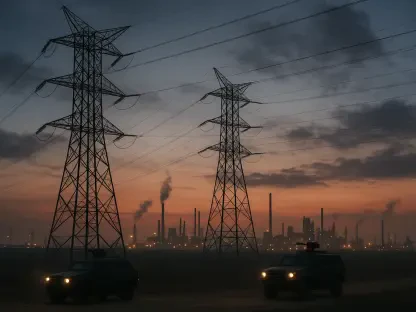

The economic trajectory of South Sudan currently stands at a critical juncture as the nation attempts to pivot from historical instability toward becoming the most rapidly expanding economy in the sub-Saharan region by the end of 2026. This dramatic shift highlights a broader narrative of resilience across East Africa, where several nations are beginning to outpace traditional continental powerhouses through a combination of resource recovery and strategic infrastructure investments. Headline figures suggest a period of significant prosperity, yet the underlying reality remains deeply intertwined with the volatile fluctuations of the global energy market and domestic production capacities. Achieving such a high rate of expansion requires more than just high output numbers; it demands a comprehensive rethinking of how a young state manages its natural wealth while simultaneously shielding its citizens from the harsh realities of inflation and regional geopolitical shifts.
Analyzing Macroeconomic Dynamics and Resource Dependency
Current projections from the International Monetary Fund indicate that South Sudan is poised to achieve a real gross domestic product growth rate of 10.5 percent throughout 2026, positioning it as the foremost performer in its geographic peer group. This projection places the country significantly ahead of other regional leaders, such as Ethiopia, which is currently anticipating a growth rate of approximately 9.2 percent for the same period. It is essential to contextualize these figures as a period of stabilization following an extraordinary 41.4 percent surge in growth during 2025. This previous spike represented a massive rebound from earlier economic contractions, but the momentum is expected to moderate significantly, with forecasts pointing toward a deceleration to 3.9 percent by 2027. Such fluctuations demonstrate the inherent volatility where year-over-year gains are often the result of recovering from a low baseline.
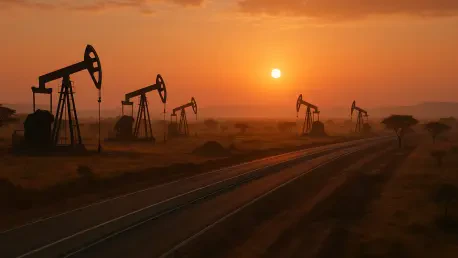
Despite these impressive statistics, the structural foundation of the economy remains precariously dependent on the petroleum sector, which accounts for the vast majority of government revenue and foreign exchange earnings. This extreme level of oil reliance creates a systemic vulnerability, as any disruption in global pricing or domestic pipeline infrastructure can lead to immediate fiscal crises. The national budget is essentially at the mercy of international market forces, making long-term developmental planning a difficult endeavor for policymakers in Juba. Furthermore, localized production challenges continue to hamper the ability to maintain steady output, meaning that even during periods of high demand, the country may struggle to fully capitalize on its resources. Reducing this singular focus on petroleum is not merely a recommendation but a necessity for ensuring that the current growth spurt translates into a more stable and predictable financial future.
Navigating Fiscal Constraints and Future Structural Reforms
Looking at the broader regional landscape, sub-Saharan Africa is maintaining a growth average of 4.5 percent through 2026 and 2027, yet significant disparities persist between resource-rich and non-resource-intensive economies. South Sudan must navigate economic headwinds that include rising inflation, which is expected to reach nearly 5 percent by 2027 due to the increasing costs of fuel and basic imports. At the same time, the fiscal space available to the government is tightening as international development assistance begins to wane, with bilateral aid projected to decline by 12 percent within the current year. To move beyond these limitations, there is an urgent need to strengthen domestic revenue collection and modernize public financial management. Fostering a robust environment for private-sector investment is a critical step toward building a durable economic structure that does not rely solely on the extraction of crude oil.
The path forward for South Sudan required a sophisticated balance between leveraging its current oil wealth and investing in a diversified future that mitigated the risks of climate change and market volatility. Decision-makers recognized that while the 2026 growth projections were world-leading, the long-term health of the republic depended on managing debt levels and preparing for environmental events like El Niño. It became clear that structural reforms aimed at reducing the nation’s singular focus on petroleum exports were the only way to transform temporary statistical gains into lasting prosperity. Ultimately, the success of this economic period was measured not by the percentage of GDP growth alone, but by the tangible advancements made in stabilizing the national currency and improving the resilience of the most vulnerable households. By prioritizing social safety nets, the government successfully bridged the gap between macroeconomic success and public welfare.