
Introduction
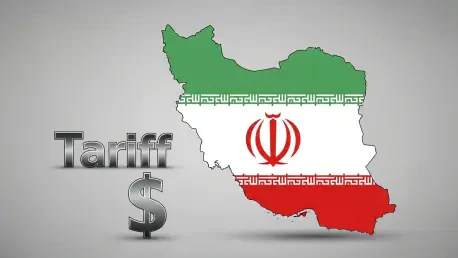
A proposed 25% tariff on any nation that trades with Iran has reignited the debate over the use of economic leverage as a primary tool of American foreign policy, especially when weighed against its potential global repercussions. This measure, suggested in response to reports of a brutal crackdown on protesters by the Iranian regime, aims to isolate Tehran further. This article serves as an FAQ to dissect the proposal, exploring the reasons behind it, the widespread skepticism it has generated, and its potential impact on international trade relations. Readers can expect to gain a clear understanding of the threat’s context and the arguments questioning its feasibility and effectiveness.
Key Questions
What Is the Nature of This Tariff Threat
The proposal calls for a blanket 25% tariff on imports from any country that continues to engage in trade with Iran. This aggressive economic stance is presented as a direct response to credible reports from human rights organizations, which have detailed a violent suppression of internal dissent by the Iranian government, allegedly resulting in hundreds of fatalities among protesters.
By targeting nations that do business with Iran, the measure intends to force a choice between trading with the United States or with Tehran. The underlying goal is to economically suffocate the Iranian regime, thereby punishing it for its human rights record and compelling a change in behavior through intense international pressure.
Why Are Experts Skeptical about the Threat
Despite its assertive framing, the tariff threat has been met with considerable doubt from foreign policy experts. A key point of contention is the perceived ineffectiveness of current U.S. sanctions. Michael Singh, a former director at the National Security Council, characterized the proposal as a “mild response,” arguing that it fails to address the core problem: the lax enforcement of existing economic restrictions.
Moreover, critics point out that Iran continues to export significant quantities of oil, indicating that the current sanctions regime is not as watertight as intended. This raises a crucial question about whether a new tariff threat would be enforced any more rigorously than the measures already in place. The skepticism is rooted in the belief that without a fundamental shift in enforcement strategy, this new threat may amount to little more than rhetoric.
Who Would Be Most Affected by These Tariffs
While the United States has minimal direct trade with Iran, the proposed tariffs would have a profound impact on some of its most significant global trading partners. Major economies such as China, India, the United Arab Emirates, and the European Union all maintain commercial ties with Tehran. Imposing a 25% tariff on these entities could disrupt supply chains and provoke retaliatory measures, potentially escalating into a broader trade conflict.
The economic consequences could be severe, not only for the targeted countries but also for American consumers and businesses that rely on imports from these nations. This potential for widespread economic disruption is a primary reason why analysts are questioning the practicality of fully implementing such a sweeping policy, as it could harm U.S. interests as much as it punishes those trading with Iran.
Summary
The proposal to levy a 25% tariff on countries trading with Iran serves as a response to human rights abuses but is viewed with significant skepticism. This doubt stems primarily from the inconsistent enforcement of existing sanctions, which has allowed Iran to maintain its oil exports. Consequently, experts question whether this new threat would be implemented more effectively or simply follow a pattern of unfulfilled warnings. The measure’s potential impact on major U.S. trading partners like China and the EU adds another layer of complexity, raising fears of a wider economic fallout.
Final Thoughts
Ultimately, the debate over this proposed tariff went beyond its immediate target and touched on broader questions about the utility of unilateral economic sanctions in modern geopolitics. The discussion highlighted the intricate balance between leveraging economic power to advance foreign policy goals and managing the unintended consequences for global allies and domestic economies. This episode prompted a renewed examination of whether such threats serve as effective deterrents or risk becoming hollow gestures that undermine diplomatic credibility over time.