Introduction
The energy crisis gripping Cuba, particularly evident in a recent widespread blackout across western regions including Havana, serves as a stark reminder of the nation’s long-standing infrastructure challenges. This event, affecting millions from Pinar del Rio to Mayabeque, highlights the fragility of a national electric system rooted in outdated technology and battered by both internal decay and external pressures. Understanding the historical progression of these struggles is vital, as power outages not only disrupt daily life but also fuel socioeconomic unrest and migration, placing Cuba at a critical juncture. This timeline traces key events that have shaped the island’s energy landscape, offering insight into how past decisions and present challenges intersect to create a complex national issue with global implications.
Timeline of Cuba’s Energy Challenges
1962: U.S. Embargo Begins, Setting Economic Constraints
Starting in 1962, the U.S. embargo, often termed a “blockade” by Cuban officials, imposed severe restrictions on trade and financial transactions. This economic isolation limited Cuba’s access to modern equipment and resources essential for maintaining and upgrading its energy infrastructure. Over the decades, the embargo has been a persistent barrier, contributing significantly to the gradual deterioration of the grid, a point frequently emphasized by the government as a primary cause of recurring energy crises.
1989: Peak Coverage of the National Electric System
By 1989, Cuba’s energy grid, developed with Soviet support during the Cold War, achieved a remarkable milestone by providing electricity to 95 percent of households. This success showcased a robust infrastructure for a developing nation, heavily reliant on fossil fuels imported from allies like Venezuela. However, this peak also marked the beginning of vulnerability, as the system’s outdated technology and lack of subsequent modernization efforts left it ill-prepared for future demands and challenges.
2021: Protests Erupt Amid Economic and Energy Woes
In 2021, Cuba faced widespread demonstrations driven by an economic downturn worsened by the COVID-19 pandemic. Power outages, alongside shortages of fuel and essentials, acted as a catalyst for public frustration. These rare protests underscored a breaking point for many citizens, revealing the deep connection between energy failures and social unrest. The discontent also fueled a significant wave of migration, as people sought stability elsewhere, further straining national resources.
Late September and October 2024: Hurricanes Imelda and Melissa Strike
Natural disasters added to Cuba’s energy woes in late September and October 2024, when Hurricanes Imelda and Melissa battered the island. These storms caused extensive damage through flooding and landslides, displacing communities and severely impacting the already fragile electrical grid. The prolonged outages that followed exposed how environmental shocks exacerbate systemic weaknesses, delaying recovery and intensifying the burden on infrastructure.
2024: Continued Protests and Population Decline
Throughout 2024, public frustration over recurring blackouts boiled over again, with protests emerging in areas like Santiago de Cuba. These demonstrations echoed the unrest of 2021, reflecting ongoing dissatisfaction with the government’s handling of energy issues. Compounding the crisis, Cuba experienced a staggering population drop from 11.1 million in 2021 to 9.7 million by this year, largely due to migration driven by economic hardship and unreliable power, as reported by government statistics and U.S. Customs data.
2024-2028: Renewable Energy Initiative with Chinese Partnership
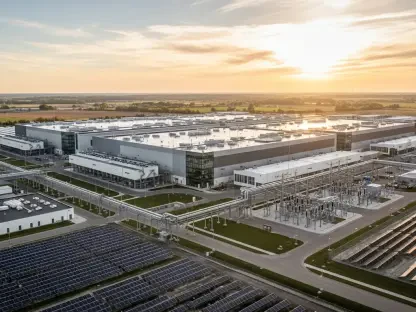
On a more hopeful note, 2024 marked the launch of a strategic partnership with China to develop 92 solar farms by 2028, with the first becoming operational in February. This initiative signals a pivotal shift away from fossil fuel dependency toward sustainable energy solutions. Although still in early stages and facing hurdles from economic constraints and natural disasters, this effort represents a crucial step toward long-term energy stability for the nation.
September 2025: Major Blackout Linked to Thermoelectric Plant Failure
Looking ahead to a significant incident in September 2025, Cuba endured another major blackout triggered by a malfunction at a key thermoelectric plant. This event, alongside at least five notable outages in 2024, illustrates a troubling pattern of grid failures. Each disruption erodes public confidence further and underscores the pressing need for structural reforms and substantial investment to avert such recurring breakdowns.
Conclusion
Reflecting on this timeline, it’s evident that Cuba’s energy crisis unfolded through a series of pivotal moments, from the economic constraints imposed by the 1962 U.S. embargo to the peak grid coverage in 1989, followed by a steady decline marked by natural disasters and social unrest in the 2020s. The protests of 2021 and 2024, alongside devastating hurricanes and persistent blackouts, painted a picture of a nation grappling with systemic challenges. Moving forward, delving deeper into international cooperation models or innovative local solutions could offer pathways to bolster resilience. Exploring case studies of other nations overcoming similar infrastructure crises might provide valuable lessons, guiding Cuba toward a more sustainable and stable energy future.