Every year, the IRS implements inflation-related modifications to more than 60 tax provisions to keep income tax brackets, deductions, and other elements in line with the shifts in the cost of living. For the tax year 2025, which pertains to returns submitted in 2026, these modifications resulted

Over the past two years, 95% of government organizations have experienced data breaches, indicating a major increase in targeted attacks on systems that power government and public sector operations. From zero-day exploits to state-sponsored espionage, the risks are more aggressive and complex than

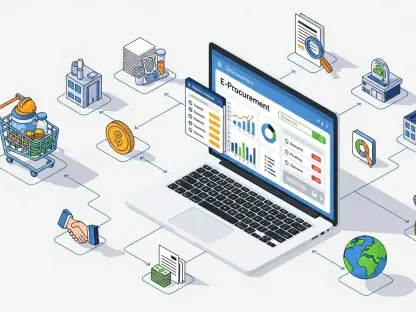
Public procurement has long been a paradox: the bigger the need, the slower the process. Whether sourcing defense technologies, public infrastructure, or everyday digital services, government contracts are often bogged down by outdated systems and red tape. While these processes are designed to

There’s an uncomfortable truth most governments ignore: “fixed” is not the same as future-proofed. For decades, America’s repair culture has been reactive—paving over cracks, replacing worn valves, and patching bridges just enough to keep traffic moving. But in an age of climate extremes, rising

Authorities worldwide have implemented the internet and electronic communication to deliver services to citizens, other federal agencies, and businesses. E-Government has improved greatly in the United States to create information portals that promote transparency, privacy, and security. To

There is a quiet truth in public sector halls: the systems running cities, counties, and states are not just aging—they’re eroding under the weight of expectations they were never built to carry. Across the United States, local governments rely on legacy IT infrastructure that wasn’t designed for