
The Model Cities Initiative allocates $300 million nationwide to stabilize communities by exporting successful law enforcement models to struggling municipalities. This federal commitment is most evident in St. Louis, where a $68 million award aims to solidify the progress made in the city’s fight against urban instability. The Department of Justice selected the city because of its transition toward a proactive policing model that integrates technology with community-based strategies. Under the leadership of Police Commissioner Robert Tracy, the metropolitan area has seen significant improvements in crime metrics, serving as a successful model for the rest of the nation. Recent data highlights a 21% decrease in homicides and a 25% reduction in robberies, alongside a 22% drop in juvenile-related shootings. These statistics are not merely numbers; they represent a fundamental shift in how the city approaches the safety of its residents by using high-level data analysis and focused intervention.
Enhancing Police Operations Through Modern Technology
Part 1: Expanding Aerial Surveillance Capabilities
A primary pillar of the $68 million investment involves the strategic expansion of the department’s aerial surveillance capabilities to ensure a safer environment for both officers and the public. By doubling the current fleet of drones, the St. Louis Metropolitan Police Department is positioning itself to handle high-risk incidents with better tactical planning. These unmanned aerial vehicles allow investigators to monitor active crime scenes or pursue fleeing suspects without immediately placing ground personnel in direct lines of fire or high-speed pursuit risks. This technological layer provides a crucial buffer to de-escalate volatile situations before they reach a point of no return. Furthermore, the aerial perspective offered by these drones allows for a more comprehensive understanding of complex urban terrains during emergency responses. This shift toward automated surveillance represents a move away from traditional, reactive methods toward a more agile and prepared stance.
Part 2: Strengthening Digital Infrastructure and Connectivity
The infusion of federal funds is also dedicated to modernizing the digital backbone of the police force, ensuring that information flows smoothly between different units and specialized divisions. Digital transformation is no longer a luxury but a necessity for modern law enforcement agencies looking to stay ahead of increasingly sophisticated criminal networks. This modernization includes upgrading mobile data terminals and ensuring that patrol officers have real-time access to the same intelligence as detectives at headquarters. By providing a unified digital operating picture, the department ensures that every resource is deployed with maximum efficiency based on the most current data available. This connectivity allows for a more coordinated response to complex threats, reducing the chances of miscommunication during critical operations. As the department integrates these digital tools, the focus remains on enhancing the accuracy of field reports and the speed of investigations.
Part 3: Improving Response Times with Advanced Sensors
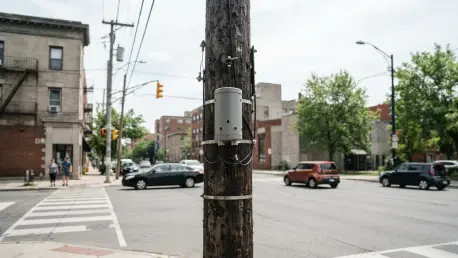
The investment further prioritizes the expansion of gunshot detection systems to drastically reduce the time between an incident and the arrival of emergency responders. By increasing the geographic reach of acoustic sensors, the city can pinpoint the exact location of gunfire often before a 911 call is even placed by a witness. This immediate notification system allows officers to arrive at the scene with precise coordinates, increasing the likelihood of apprehending suspects and providing life-saving medical aid to victims. These sensors are integrated with existing camera networks, allowing the department to capture real-time visual evidence of suspects fleeing the area. This level of technological integration ensures that no incident goes unnoticed and that the police response is both swift and informed. Expanding this coverage into underserved neighborhoods is a key step in ensuring equitable safety and reinforcing the rule of law across all sectors of the city.
Part 4: Modernizing the Real-Time Crime Center
At the heart of these technological advancements lies the modernization of the Real-Time Crime Center, which serves as the central hub for the city’s data-driven public safety efforts. The grant facilitates essential upgrades to this facility, ensuring that video feeds, sensor data, and criminal intelligence are integrated into a single interface for dispatchers and analysts. This centralization allows for the rapid sharing of critical information with officers on the street, providing them with a significant tactical advantage during active calls. By using sophisticated algorithms to identify patterns of criminal activity, the center can help predict potential hotspots and direct patrols accordingly. This proactive deployment of resources is a cornerstone of the Model Cities Initiative, aiming to prevent crime before it occurs rather than merely reacting to it. The upgraded center represents a future where technology acts as a force multiplier for a more effective and responsive police department.
Collaborative Strategies and Human Capital
Part 1: Implementing a Whole-of-City Approach
The Model Cities Initiative emphasizes a “whole-of-city” strategy that effectively breaks down the traditional barriers between local, state, and federal law enforcement agencies. Missouri’s top leadership, including Governor Mike Kehoe and Senator Eric Schmitt, has recognized that the economic and social prosperity of the state is directly linked to the stability of its urban centers. By working closely with the Department of Justice, local authorities are creating a unified front against violent crime that uses federal resources for local impact. This collaboration is not just about enforcement; it is about establishing a sustainable framework where public safety is a shared responsibility across all levels of government. Such a unified approach ensures that violent offenders are held accountable through strong prosecution while simultaneously rebuilding the community’s trust in the legal system. This collective effort is designed to produce a more resilient city.
Part 2: Supporting the Workforce Through Recruitment and Training
Recognizing that cutting-edge technology is only as effective as the professionals who operate it, a significant portion of the $68 million is dedicated to stabilizing the law enforcement workforce. The department has faced challenges similar to many urban centers, requiring a renewed focus on officer recruitment and retention to maintain effective patrol levels. These federal resources provide the necessary capital to offer better incentives and comprehensive training programs that equip officers with the latest skills in de-escalation and community engagement. By investing in people, the city ensures that its police force is not only well-staffed but also highly specialized in the nuances of modern urban policing. A stable and well-trained workforce is essential for the long-term success of proactive policing models, as it allows for deeper relationships to be built within neighborhoods. This investment in personnel signifies a commitment to the overall well-being of those who serve.
Part 3: Addressing the Root Causes of Crime and Social Disorder
Beyond traditional enforcement, the initiative recognizes that long-term community stability requires a comprehensive effort to address the underlying triggers of criminal behavior and social disorder. A key component of the funding roadmap includes the expansion of access to mental health and substance use services for individuals in crisis. By providing specialized resources and crisis intervention teams, the city seeks to move non-violent incidents away from the traditional justice system and toward appropriate healthcare channels. This approach reduces the burden on uniformed officers, allowing them to focus on violent crime while ensuring that vulnerable individuals receive the help they need. Integrating social services into the broader public safety strategy reflects a modern understanding of how addiction and psychological distress can contribute to cycles of instability. These efforts are intended to heal the community from within, making preventive care a major priority.
Part 4: Maximizing Forensic Efficiency and Reducing Recidivism
In the final phase of this transformation, the city focused on increasing the capacity of forensic laboratories and implementing programs designed to significantly reduce recidivism rates. By streamlining the processing of forensic evidence, the department ensures that violent crime cases are closed with higher speed and accuracy, providing a deterrent to future offenders. The initiative also facilitated rehabilitation programs that provided formerly incarcerated individuals with the tools and support needed to reintegrate into society successfully. These actionable steps represented a shift toward a more efficient justice system that prioritized both accountability and the prevention of re-offending through targeted social support. Moving forward, the city established a blueprint for urban safety that balanced technological power with a deep commitment to human rehabilitation. This comprehensive model provided a pathway for other municipalities to follow, proving that sustainable safety is achieved through a holistic and well-funded strategy.