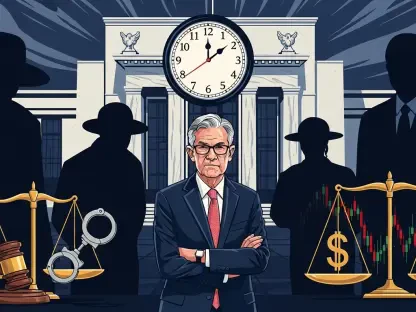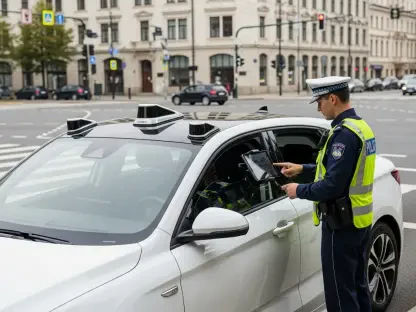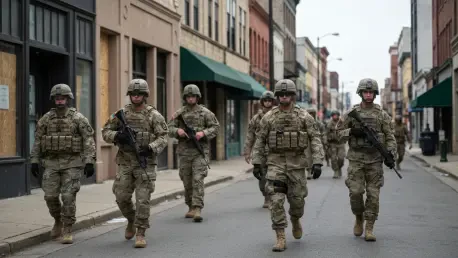

Imagine a community where the sight of an unmarked vehicle stirs immediate fear, not because of crime, but due to the possibility of federal agents making arrests without clear identification. This is the reality for many in the United States today, as tactics employed by Immigration and Customs Enforcement (ICE) and the Department of Homeland Security (DHS) have sparked intense debate over their impact on public trust. A recent U.S. House Homeland Security Committee hearing laid bare the growing tensions surrounding these practices, revealing a nation divided on how law enforcement should operate in a democratic society. Partisan clashes dominated the session, with sharp disagreements over whether aggressive federal strategies are necessary for safety or if they are fracturing the very foundation of community cooperation that policing depends on. As violence against officers rises and public sentiment wavers, the question looms: can law enforcement maintain legitimacy when its methods alienate the people it serves?
Scrutinizing Federal Enforcement Strategies
The spotlight at the recent congressional hearing fell heavily on ICE and DHS tactics, particularly the use of unidentifiable agents and unmarked vehicles during arrests. Democratic lawmakers voiced deep concern that such approaches, often directed at immigrant populations, sow seeds of fear rather than security. They pointed to specific cases where individuals were detained in public spaces without apparent justification or transparency, arguing that these actions paint law enforcement as an opaque, unaccountable force. This perception, they contended, doesn’t just erode trust among targeted communities but spills over to broader society, making it harder for local police to build the partnerships needed for effective crime prevention. The lack of clear insignias or accountability measures, as highlighted in testimonies, only fuels comparisons to tactics unbecoming of a democracy, leaving many to wonder if safety is being prioritized over fundamental rights.
Moreover, the ripple effects of these federal practices extend beyond immediate interactions. Communities that witness or hear of such arrests often develop a lingering suspicion of all law enforcement, not just federal agencies. This generalized distrust complicates routine policing efforts, as residents become less likely to report crimes or cooperate with investigations. Democratic representatives at the hearing emphasized that when people fear deportation or unjust treatment over minor infractions, they retreat from engaging with authorities altogether. The result is a vicious cycle: law enforcement struggles to gather critical information, crime rates may climb, and the divide between officers and the public widens. Without addressing the opacity of ICE operations, critics argue, any attempt to bolster public safety risks being undermined by the very methods meant to protect it. The hearing made it clear that transparency isn’t just a procedural nicety—it’s a cornerstone of legitimacy.
The Weight of Words and Political Divide
Another focal point of the hearing was the potent influence of political rhetoric on how law enforcement is perceived and treated. Republicans argued vehemently that harsh criticism from Democrats, often framing ICE and DHS as overreaching or authoritarian, directly incites hostility toward officers on the ground. They cited instances where inflammatory language—likening agents to historical oppressors—has created a dangerous environment, putting lives at risk. Law enforcement representatives echoed this sentiment, sharing how such rhetoric strips away the humanity of officers, reducing them to targets of public anger. With violence against police on the rise, the consensus among these voices was that words carry real consequences, and unchecked criticism can fan the flames of resentment, making an already perilous job even more hazardous.
In contrast, the hearing also revealed a stark partisan split on where accountability fits into this equation. Democrats countered that the root of public discontent lies not in their words but in the actions of federal agencies themselves. They pressed for systemic reforms, insisting that trust can only be rebuilt if ICE and DHS are held to clear standards of conduct. Pointing to documented cases of aggressive detentions and rights violations, they argued that ignoring these issues under the guise of supporting law enforcement only deepens the problem. Republicans, however, saw such critiques as a betrayal of officers fulfilling their lawful duties, accusing their counterparts of prioritizing political narratives over morale and safety. This divide left the hearing at an impasse, with both sides acknowledging the strain on officers but clashing over whether the solution lies in defending federal tactics or dismantling them. The deadlock underscores a broader struggle to reconcile support for law enforcement with the demand for justice.
Navigating the Tension Between Safety and Trust
Despite the heated exchanges, a sliver of common ground emerged at the hearing: everyone agrees that officer safety and public trust are intertwined and under threat. Bipartisan concern over escalating violence against law enforcement was palpable, with references to recent tragic incidents underscoring the very real dangers officers face daily. However, the paths to addressing this shared worry diverged sharply. Democrats framed controversial ICE tactics as a primary driver of distrust, arguing that heavy-handed federal actions alienate communities and make policing harder for everyone. Without reforms to ensure accountability, they warned, resentment will continue to simmer, jeopardizing both public safety and officer well-being. The challenge lies in breaking this cycle of fear and hostility, a task made daunting by the polarized climate that colors every discussion on the issue.
On the flip side, Republicans approached the same concern with a focus on bolstering support for law enforcement rather than critiquing it. They contended that political narratives vilifying ICE and DHS are the true culprits behind rising tensions, emboldening acts of aggression against agents who are simply enforcing the law. Testimonies from law enforcement organizations reinforced this perspective, highlighting how eroded morale and public vilification hinder their ability to serve effectively. The hearing left little room for compromise, as each side dug into its position—Democrats pushing for oversight as a bridge to trust, and Republicans calling for unwavering backing of officers as the antidote to violence. What became evident is that without a unified strategy, the dual goals of protecting law enforcement and fostering community cooperation remain frustratingly out of reach, trapped in a web of ideological discord.
Reflecting on a Path Forward
Looking back on the impassioned debates at the House Homeland Security Committee hearing, it’s evident that the rift over ICE tactics and their impact on public trust was laid bare with striking clarity. The testimonies and arguments painted a picture of a nation grappling with how to safeguard its officers while ensuring law enforcement remains a trusted pillar of society. What emerged from those discussions wasn’t a resolution but a stark reminder of the complexity at hand. Moving forward, bridging this divide will require more than finger-pointing or entrenched stances. A meaningful dialogue must prioritize actionable reforms—perhaps starting with transparency mandates for federal agents to rebuild community confidence. Equally critical is tempering rhetoric on all sides to prevent further escalation of hostility. Only through such balanced steps can the erosion of trust be halted, paving the way for a future where safety and mutual respect coexist as the bedrock of law enforcement’s mission.