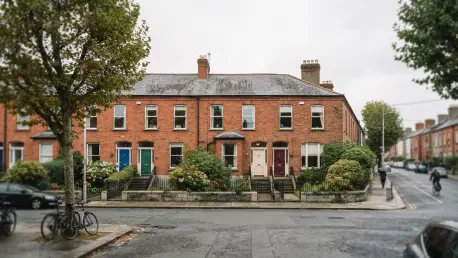

The historical fixation on high-density studio apartments and one-bedroom units is being challenged by data showing a cooling demand for small, investor-led rental spaces. The current transformation of residential development in Dublin is being guided by the Housing Need and Demand Assessment, a framework commissioned by the Dublin City Council and conducted by experts at Forvis Mazars. This analytical shift aims to align construction with the actual demographic and financial realities of the population rather than allowing developer interests to dictate the urban landscape. By moving away from market-driven strategies, the city seeks to finally address a chronic affordability crisis that has persisted for years. This strategy signals a major policy pivot, suggesting that the era of prioritizing private rental developments must end to better serve the diverse needs of residents through 2040. The focus is now on ensuring that every new brick laid contributes to a sustainable social fabric rather than short-term financial yields for foreign investment funds.
Rebalancing the City Tenure Mix
Prioritizing Homeownership and Affordable Housing Categories
The most significant recommendation from the assessment involves a drastic reduction in private rental developments across the metropolitan area. While build-to-rent projects dominated the skyline recently, the report suggested they should account for only 10 percent of future stock. In contrast, the strategy favored the homeowner market, which was allocated 39 percent of new homes. By prioritizing traditional market purchases and affordability-assisted categories like cost-rental programs, the council aimed to foster rooted communities and reduce the transience associated with high-density rental sectors. This realignment was intended to correct the imbalance created by an over-reliance on international investment funds. The shift toward homeownership was seen as a way to provide long-term security for families who had been squeezed out by escalating market rents. By focusing on these tenure types, the city council sought to build a more resilient social structure that could withstand economic fluctuations.
Implementing the 35 Percent Affordability Threshold
To determine these housing categories, the city employed a financial benchmark based on a household’s ability to cover costs using no more than 35 percent of its gross income. This metric divided the population into four distinct streams: private buyers, private renters, the affordability-assisted middle class, and public housing candidates. This structured approach allowed the council to identify the “missing middle”—those who earn too much for public support but are priced out of the private market—as a primary target for future government-supported initiatives. By using a clear financial ceiling, the assessment provided an objective way to measure the scale of the affordability crisis. It revealed that a significant portion of the workforce was spending an unsustainable amount of their income on basic shelter. This data served as a wake-up call for planners who had previously focused on supply volume without considering the price points at which that supply was entering the market.
Modernizing Unit Sizes and Planning
Moving Beyond One-Bedroom Apartment Units
For years, Dublin’s development had been criticized for a developer-friendly fixation on studio and one-bedroom apartments that maximized density at the expense of livability. The housing assessment provided empirical evidence that demand was cooling for these small units, while the need for two-, three-, and four-bedroom family homes was steadily rising. This finding suggested that current central government policies favoring high-rise, high-density one-bedroom units were out of sync with the actual requirements of Dubliners who sought larger, more permanent living spaces. The shift in demand reflected a growing desire among residents for homes that could accommodate remote work, growing families, and long-term residency. Planners noted that the previous focus on micro-units had led to a lack of variety in the housing stock, making it difficult for residents to move up the housing ladder without leaving the city. Addressing this imbalance became a priority to prevent a further exodus of families.
Addressing Geographical and Hidden Demand Issues
Effective implementation of the new housing strategy required the council to look beyond its narrow administrative borders and consider the fluidity of the modern workforce. Critics pointed out that housing needs often transcended council lines, as many workers moved across the metropolitan area based on transport links and price points rather than municipal boundaries. Furthermore, there was a significant hidden demand from employees in sectors like the Docklands who were forced into long commutes due to a lack of local, affordable options. The assessment highlighted a massive disparity in areas where commercial office space for tens of thousands of workers had been built without a corresponding increase in residential capacity. To ensure that supply met actual regional demand, planners emphasized the necessity of coordinating with neighboring authorities in Fingal and South Dublin. This regional perspective was deemed vital for creating a cohesive housing market that supported the economic needs of the entire capital.
Navigating Economic and Implementation Hurdles
Overcoming High Construction and Development Costs
Transitioning from a strategic plan to physical construction faced major economic obstacles, particularly regarding the gap between building costs and market value. In certain areas, the cost of construction often exceeded what a home could be sold for on the open market, making private development nearly impossible without significant government intervention. To combat this, experts suggested moving toward medium-density compact homes, which were more cost-effective to build than high-rise apartments and aligned better with the public’s preference for traditional urban living styles. The council explored various subsidy models to bridge this viability gap and incentivize builders to focus on family-sized homes. This economic reality underscored the need for a more pragmatic approach to urban development that balanced architectural ambition with financial feasibility. Without a way to make construction profitable or affordable, many of the core recommendations regarding tenure diversity could remain theoretical.
Supporting the Stranded Missing Middle Class
A significant challenge remained for the forgotten middle class—individuals who did not qualify for public housing but could not afford market rents. While cost-rental programs were intended to help this demographic, current rent levels in these programs were often still too high for many essential workers. Bridging this gap required increased government subsidies and a commitment to lowering the financial barriers to entry, ensuring that affordable housing initiatives reached the people they were designed to protect. The assessment identified this group as a primary target for future government-supported initiatives, noting that their exclusion from the housing market posed a threat to social cohesion. Planners argued that without a robust middle tier of housing, the city risked becoming a place of extremes, inhabited only by the very wealthy and those in subsidized housing. Addressing the needs of these residents was seen as a critical component of maintaining a diverse and functional urban population.
Future Projections for Dublin Housing
Setting Targets for Public and Traveller Housing
The Dublin City Council established a strong pipeline for public and affordable homes, targeting nearly 20,000 units by the end of the decade to address the most acute needs. Within this plan, there was also a specific requirement for Traveller-specific housing, which, though numerically smaller, represented an essential commitment to inclusivity. While these targets were relatively modest, historical struggles in meeting them highlighted the need for consistent political will and better administrative execution. Planners noted that providing suitable accommodation for all segments of the population was not just a statutory obligation but a moral imperative for a modern European capital. By integrating these specialized housing needs into the broader framework, the city sought to ensure that no group was overlooked in the new housing roadmap. Success in this area required a departure from past failures and a renewed focus on delivering culturally appropriate and high-quality homes for every resident in the city.
Establishing an Evidence Base for Policy
The council established the assessment as the essential evidence base for negotiations with the central government regarding the 2027–2030 Housing Delivery Action Plan. Authorities identified that the ultimate success of the city’s housing shift depended on reconciling high construction costs with the urgent need for variety and affordability. By prioritizing long-term residents over short-term investment yields, Dublin moved to re-establish itself as a viable and stable place to live. Policymakers implemented specific subsidies to bridge the gap between building costs and market value in underserved districts. The strategic focus shifted toward medium-density compact homes which offered a more cost-effective alternative to high-rise developments. These actionable steps provided a roadmap for stabilizing the residential market and ensuring that housing supply matched the diverse socioeconomic requirements of the metropolitan workforce through the end of the decade. This transition marked a definitive end to the era of purely market-led urban expansion.