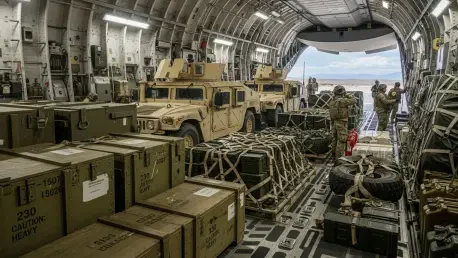

In a bold move that could reshape the landscape of international defense partnerships, Defense Secretary Hegseth has announced a sweeping restructuring of the Pentagon’s arms sales and acquisition processes, aiming to bolster the United States’ position in a fiercely competitive global market. With annual arms sales already hitting a staggering $845 billion—surpassing the entire Defense Department budget request—this initiative underscores a strategic imperative to streamline operations and meet the urgent demands of allied nations. The reforms target inefficiencies that have long frustrated partners and industry stakeholders alike, positioning the U.S. to maintain its dominance in a sector where speed and reliability are paramount. As allies increasingly look to alternative suppliers for faster solutions, the pressure is on to adapt swiftly and decisively, ensuring that the nation remains the preferred choice for military equipment and support.
Transforming Arms Sales for Global Competitiveness
Streamlining the Defense Security Cooperation Agency
The cornerstone of these reforms lies in a significant repositioning of the Defense Security Cooperation Agency (DSCA), which oversees foreign military sales, from the policy side to the acquisition and sustainment shop. This shift, moving oversight under the leadership of Michael Duffey, seeks to eliminate bureaucratic bottlenecks by aligning the offices that build weapons with those responsible for their export. For years, allies have voiced frustration over delays in approvals, with nations like Poland—NATO’s leading defense spender by GDP—turning to countries such as South Korea for quicker delivery of critical equipment. Industry voices, including Keith Webster from the Chamber of Commerce’s Defense and Aerospace Council, have hailed this change as a potential game-changer, arguing that faster processes could solidify the U.S. as the go-to partner for international buyers. The focus on efficiency is not just about meeting demand but also about outpacing global competitors who are rapidly gaining ground.
Beyond the structural realignment, this move reflects a broader recognition of the strategic importance of arms sales in maintaining geopolitical alliances. By integrating sales processes with acquisition efforts, the Pentagon aims to create a seamless pipeline that prioritizes speed without compromising oversight. This is particularly crucial as allied nations face evolving threats that require rapid access to advanced defense systems. The risk of losing market share to other countries looms large, and the urgency to address long-standing complaints about sluggish bureaucracy has never been more apparent. While the restructuring promises to cut down on red tape, it also raises questions about how these changes will balance efficiency with the rigorous standards needed to ensure that arms exports align with national security interests. The coming months will be critical in assessing whether this shift delivers the anticipated results.
Addressing Allied Demands and Market Pressures
Another vital aspect of the arms sales overhaul is the direct response to the growing impatience among U.S. allies, who have increasingly sought alternatives due to prolonged delays in acquiring American military hardware. The case of Poland exemplifies this trend, as the nation has pivoted to faster suppliers to meet its defense needs amid regional tensions. Hegseth’s initiative aims to reverse this drift by ensuring that the U.S. can deliver critical systems swiftly, thereby reinforcing trust and reliability among NATO partners and beyond. The global arms market is unforgiving, and maintaining leadership requires not just superior technology but also the ability to meet timelines that match the urgency of modern threats. This reform is seen as a direct countermeasure to competitors who have capitalized on American delays to secure lucrative contracts.
Moreover, the emphasis on speed ties into a larger strategic vision of supporting allies while bolstering the U.S. economy through defense exports. Arms sales are not merely transactions but instruments of foreign policy, strengthening ties with partners and ensuring collective security. The Pentagon’s renewed focus on efficiency acknowledges that delays can erode confidence, pushing allies toward other nations that prioritize rapid delivery over long-term partnerships. Industry leaders have expressed optimism that aligning the DSCA with acquisition processes will create a more responsive framework, potentially reclaiming lost ground in key markets. However, the challenge lies in implementing these changes without sacrificing the thorough vetting processes that safeguard against misuse of advanced weaponry. Striking this balance will be pivotal to the success of the reforms.
Modernizing Pentagon Acquisition Frameworks
Restructuring Military Branch Procurement
A parallel effort in Hegseth’s plan targets the Pentagon’s sprawling acquisition bureaucracy, with a particular focus on consolidating procurement within the Army, Navy, and Air Force. Within the Army, the proposal to reduce 13 program executive offices into broader portfolios managed by senior officials reporting directly to top leaders aims to enhance clarity and expedite decision-making. This restructuring, which oversees a $400 billion weapons-buying enterprise, seeks to prioritize agility in contracting—a sentiment echoed by industry officials who stress the need for faster procurement cycles. Similar reforms are expected to roll out across the Navy and Air Force, signaling a comprehensive push to modernize how the military manages its vast resources and meets operational demands.
The implications of this consolidation extend beyond mere efficiency, aiming to address systemic issues that have hindered timely delivery of critical defense systems. By centralizing oversight, the Pentagon hopes to eliminate redundancies and foster accountability among senior leaders tasked with managing these portfolios. This approach is particularly significant given the complexity of modern warfare, which demands rapid integration of cutting-edge technologies into military operations. Industry partners have long criticized the fragmented nature of procurement offices, arguing that it creates confusion and slows progress. While the proposed changes promise greater coherence, they also require careful execution to avoid disrupting ongoing programs. The success of this overhaul will likely hinge on the ability to maintain focus on mission-critical priorities during the transition.
Engaging a Diverse Defense Industrial Base
In a notable departure from past strategies, Hegseth has extended an olive branch to smaller tech firms and commercial businesses, inviting them to participate in the defense market. Drawing a historical contrast to the 1993 “Last Supper” meeting that encouraged industry consolidation amid budget cuts, the current outreach focuses on reducing barriers posed by dense bureaucracy and protracted development timelines. This initiative reflects a growing trend to diversify the defense industrial base, incorporating innovative players who can bring fresh perspectives and solutions to longstanding challenges. The inclusion of non-traditional firms is seen as a way to inject agility and creativity into a sector often criticized for its rigidity.
This push for diversity also acknowledges the evolving nature of defense needs, where emerging technologies like cybersecurity and artificial intelligence play an increasingly vital role. Smaller firms, often more nimble than traditional defense giants, could offer specialized expertise that accelerates innovation. However, integrating these new entrants poses challenges, including navigating complex regulatory frameworks and ensuring they meet stringent security standards. Industry leaders view this as a positive step toward broadening the talent pool, but caution that sustained support and clear guidelines will be necessary to make this vision a reality. As the Pentagon opens its doors to a wider array of contributors, the potential for transformative advancements in defense capabilities grows, provided the right structures are in place to harness these contributions effectively.
Reflecting on a Pivotal Shift in Defense Strategy
Lessons from a Bold Reform Effort
Looking back, Defense Secretary Hegseth’s announcement marked a defining moment in the evolution of U.S. defense policy, as it tackled entrenched inefficiencies with a clear focus on restructuring the arms sales process and consolidating procurement oversight. The decision to realign the Defense Security Cooperation Agency under acquisition leadership addressed critical delays that had strained relationships with allies and industry partners. By prioritizing speed and responsiveness, the reforms sought to ensure that the U.S. remained the partner of choice in a highly competitive global arms market. This strategic pivot was not without its complexities, as it required balancing efficiency with the rigorous standards essential to national security.
Future Pathways for Defense Modernization
Equally significant was the effort to open the defense market to smaller tech firms, which promised to diversify the industrial base and foster innovation. As these changes unfolded, the emphasis on streamlining military branch procurement offered a blueprint for clearer oversight and faster decision-making. Moving forward, the integration of these reforms with congressional proposals remained a key consideration, as alignment between executive and legislative priorities could determine their long-term impact. Stakeholders were encouraged to monitor how these initiatives adapted to emerging challenges, with an eye toward building a more agile and responsive defense framework. The path ahead demanded sustained commitment to refining these processes, ensuring that the U.S. could meet allied needs while advancing its strategic interests on the global stage.