
The geographical isolation of the Hawaiian archipelago presents a formidable challenge to energy independence, forcing a radical reimagining of how power is generated and distributed across the islands. Recently, the Public Utilities Commission took a decisive step by authorizing Hawaiian Electric to initiate a fresh cycle of competitive bidding for utility-scale renewable energy projects. This move signifies more than just a routine administrative update; it represents a fundamental shift toward a self-sufficient energy ecosystem that prioritizes local resources over expensive imported fuels. By inviting private developers to propose innovative solutions, the state is effectively crowdsourcing the transition to a greener grid. These initiatives aim to diversify the energy mix through a combination of solar, wind, and storage technologies that can function harmoniously. The current phase of procurement is designed to ensure that the infrastructure built today will serve as the backbone of a resilient economy for decades.
Market Efficiency: Scaling Infrastructure Through Private Competition
Competitive bidding ensures that the state does not overpay for the transition to a greener economy by forcing private developers to offer the best possible value for ratepayers. This mechanism creates a transparent marketplace where innovation is rewarded and inefficiency is weeded out before any construction begins. By selecting projects through a rigorous evaluation process, Hawaiian Electric can secure long-term contracts that provide price stability in an otherwise volatile global energy market. This fiscal discipline is essential for maintaining public support for renewable mandates, as it directly impacts the monthly utility bills of households and small businesses across the islands. Furthermore, the inclusion of community benefits as a criterion for winning bids ensures that the development of these projects does not come at the expense of local residents. Instead, the process encourages developers to think holistically about how their installations can contribute to the social and economic fabric of Hawaii.
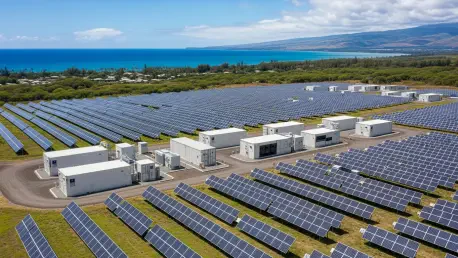
Utility-scale projects are massive infrastructure undertakings that require sophisticated engineering and significant capital investment. These large solar arrays and wind farms are designed to generate vast amounts of electricity that flow directly into the high-voltage transmission system, providing the foundational power needed to run entire cities. The current round of bidding specifically targets these heavy-duty installations, recognizing that individual distributed energy resources alone cannot meet the total demand of a modern island economy. To ensure reliability, many of these proposals must now include integrated battery storage solutions, which allow excess energy captured during the day to be discharged during peak evening hours. This transition to a hybrid model of generation and storage represents the next frontier in utility management, where the focus shifts from merely producing power to intelligently managing it. This approach ensures that energy is available exactly when the grid requires it most.
Operational Integrity: Maintaining Grid Stability and Oversight
Because Hawaii operates as a series of standalone microgrids without the luxury of interstate transmission lines, the technical challenges of integrating renewable energy are significantly amplified compared to the mainland. Every megawatt of power added to the system must be carefully balanced to maintain the frequency and voltage necessary for a stable electrical supply. The shift away from traditional synchronous generators toward inverter-based resources like solar and wind requires advanced control systems and high-speed communications. To address these challenges, the recent bidding requirements emphasize the need for grid-forming technology that can mimic the stabilizing properties of old-school power plants. This technological leap is crucial for preventing blackouts during sudden shifts in weather or unexpected equipment failures. By prioritizing projects that offer these advanced capabilities, the state is building a smarter and more responsive grid that can handle the high penetration of renewables efficiently.
The Public Utilities Commission serves as the primary arbiter of this transition, balancing the technical needs of the utility with the economic and environmental expectations of the public. This regulatory oversight ensures that Hawaiian Electric remains accountable to the broader goals of the state. The commission’s role in vetting the competitive bids involves a deep dive into the financial viability and technical feasibility of each proposed project to minimize the risk of failed installations. Moreover, the commission facilitates public hearings to keep the community informed about how their energy future is being shaped. This collaborative framework between the regulator and the utility provider is essential for navigating the complex legal and social landscapes associated with land use in Hawaii. By providing a clear roadmap and predictable regulatory environment, the state attracts high-quality developers who are willing to commit the long-term capital necessary for these ambitious and necessary infrastructure projects.
Strategic Trajectory: Achieving Long-Term Energy Sovereignty
The shift toward localized renewable energy effectively shielded the state from the unpredictable prices of imported petroleum that previously drove up electricity costs. Legislators recognized that the structured approach of phased bidding was the only viable path to meeting the legal requirement for a 100% renewable energy portfolio by the year 2045. As these projects were integrated into the system, the state built a more resilient economy that was no longer dependent on volatile global fuel markets. This transition was marked by a steady reduction in carbon emissions and a significant increase in energy self-sufficiency. Analysts noted that the move away from fossil fuels provided a more stable financial foundation for local industries and residential consumers alike. By harvesting natural resources, Hawaii transformed its energy liability into a domestic asset. The success of these early cycles proved that an isolated island could successfully decouple growth from external energy shocks.
To ensure the long-term success of this initiative, planners established a comprehensive framework for workforce development and technological adaptation. They moved beyond simple solar installations to prioritize the deployment of long-duration energy storage and hydrogen-based solutions. Educational institutions collaborated with the utility to train a new generation of technicians skilled in managing smart grid components and advanced power electronics. Policymakers also refined the regulatory process to encourage faster deployment of projects while maintaining strict environmental safeguards. These steps ensured that the benefits of the clean energy transition were shared equitably across the community. Furthermore, the development of robust undersea cable studies provided a roadmap for the next phase of expansion beyond 2026. By treating the grid as a dynamic asset, the state fostered an environment of continuous innovation and reliability, setting a new standard for global leadership.