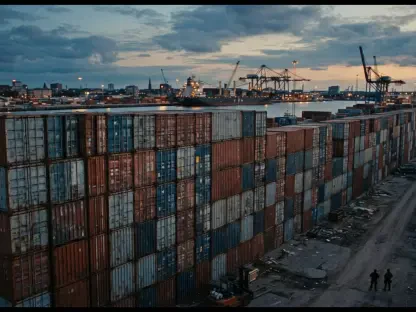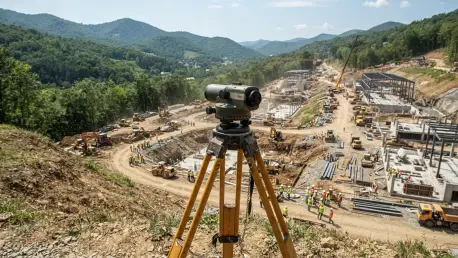

True modernization of the building permit process should focus on digital scrutiny and time-bound clearances rather than the systematic dilution of established safety and environmental rules. In Jammu and Kashmir, the current push toward economic revitalization has increasingly prioritized the Ease of Doing Business as a cornerstone of administrative policy. While attracting investment is essential for regional prosperity, the methods employed are raising alarms among urban planners and environmental advocates alike. There is a perceptible shift from the rigorous enforcement of land-use regulations toward a more permissive atmosphere that seeks to minimize perceived bureaucratic friction. This transformation is not merely a technical adjustment but represents a fundamental reconsideration of how the built environment is managed. As construction activity accelerates throughout 2026, the challenge remains to ensure that these streamlined procedures do not inadvertently compromise the long-term sustainability of the region’s unique urban centers.
The Regulatory Trajectory and Frequent Amendments
Rapid Legislative Shifts: The Timeline of Change
The speed at which the Jammu and Kashmir Unified Building Bye-Laws of 2021 have been altered suggests a volatile regulatory climate that favors immediate results over structural stability. Within a narrow window of less than a year, the administration has introduced three significant interventions, including SO 304 in late 2025 and SO 58 in early 2026, followed by a sweeping third draft proposal later this year. This pattern of frequent modification creates a sense of regulatory uncertainty that can hinder the very investment the government seeks to attract. Constant changes to the core rules of urban development make it difficult for architects and engineers to design projects that meet long-term statutory requirements. When the legal goalposts are moved every few months, the integrity of the Master Plan—a document meant to guide the region for decades—is slowly eroded. Such a reactive approach to governance often leads to a fragmented urban fabric where individual buildings take precedence over the cohesive needs of the city.
The Missing Foundation: Evidence-Based Policy Making
A primary concern regarding the latest draft amendments is the apparent lack of a comprehensive technical audit or transparent justification for the proposed relaxations. Under ideal governance models, any change to building codes should be preceded by an impact assessment that evaluates how the previous set of rules functioned on the ground. However, the current trajectory suggests that the implications of the late 2025 and early 2026 amendments were not fully analyzed before the next round of changes was initiated. Without data-driven insights into how these relaxations affect ground coverage, drainage, and street-level congestion, the administration risks making decisions based on anecdotal pressure rather than technical necessity. Planning is traditionally a proactive exercise rooted in scientific study and public consultation, but the current shift suggests a move toward an ad hoc model. This lack of transparency undermines public trust in the planning process and suggests that short-term economic metrics are being weighed more heavily than the cumulative long-term health of the region’s infrastructure.
Technical Implications for the Built Environment
Structural Hazards: The Removal of Mandatory Setbacks
The proposal to eliminate the 10 percent aggregate setback requirement for residential plots between 125 and 275 square meters represents a significant departure from established safety norms. While this change allows for higher ground coverage even if the Floor Area Ratio remains the same, it creates a cascade of physical problems for the surrounding neighborhood. Setbacks are not merely aesthetic; they are functional necessities that provide essential ventilation, natural light, and space for emergency services. By allowing buildings to sit closer to one another, the risk of fire spreading between adjacent structures increases exponentially. In many dense urban areas, narrow gaps are the only way for medical teams to access the rear of a property during a crisis. Removing these requirements essentially prioritizes the maximization of indoor square footage at the expense of the basic livability and safety of the residents. This trade-off could lead to the creation of dark, damp, and poorly ventilated housing stock that will persist for generations.
Neighborhood Congestion: Road Width and Stilt Parking
The reduction of the road-width threshold for stilt parking from six meters to just three meters poses a direct threat to the functionality of neighborhood transit systems. A three-meter road is barely wide enough for a single modern vehicle to pass, let alone accommodate the maneuvering required to enter and exit a parking structure. When stilt parking is permitted on such narrow paths, it inevitably leads to increased street-level gridlock as vehicles struggle to align themselves with building entrances. Furthermore, the expansion of mixed-use permissions on roads as narrow as six meters ignores the infrastructure capacity of residential zones. Road width is only one metric of suitability; one must also consider the existing traffic patterns and the ability of the local electrical and sewage networks to support commercial activities. Overloading quiet residential streets with offices or retail shops without a holistic traffic management plan degrades the quality of life for long-term inhabitants and places an unsustainable burden on aging public utilities.
Environmental Resilience and Executive Authority
Ecological Vulnerability: Planning for Seismic and Flood Risks
Urban development in Kashmir is uniquely constrained by the region’s extreme vulnerability to floods, seismic activity, and drainage limitations. The Master Plan 2035 was drafted as a defensive strategy to mitigate these natural hazards through careful zoning and the preservation of permeable surfaces. However, the current trend of increasing development intensity and reducing open ground area directly contradicts these safety objectives. As more of the urban surface is covered by non-porous materials, the volume of rainwater runoff increases, leading to more frequent and severe localized flooding. Furthermore, Srinagar sits in a high-intensity seismic zone where building density and height must be strictly controlled to prevent catastrophic loss of life during an earthquake. Relaxing these controls in the name of economic growth ignores the physical realities of the landscape. A city that grows beyond its ecological capacity becomes a liability rather than an asset, as the costs of disaster recovery far outweigh the short-term gains from increased construction permit fees.
The Erosion of Controls: Discretionary Power and Section 22
One of the most profound shifts in recent policy is the introduction of Section 22 under the Ease of Doing Business framework, which allows the executive branch to relax Master Plan conditions for specific enterprises. This provision grants an unprecedented level of discretionary power to administrative officials, effectively allowing them to bypass statutory planning controls for projects deemed economically significant. If individual enterprise-specific approvals become the norm, the Master Plan—a document created through rigorous technical study and democratic public participation—becomes effectively obsolete. This shift toward discretionary planning replaces a rule-based system with one governed by negotiation and administrative preference. While a “Negative List” of prohibited activities is intended to prevent egregious violations, it is a poor substitute for a proactive vision that dictates where infrastructure can actually support growth. When the rules of development can be waived for specific entities, it creates an uneven playing field and undermines the legal foundation of urban governance.
Strategic Pathways for Balanced Urbanization
Integrating Resilience: The Transition to Ease of Living
The administration recognized that the true measure of urban reform was the improvement of the overall quality of life rather than just the speed of permit issuance. It was observed that a successful strategy required a transition from a narrow focus on business efficiency to a broader concept of Ease of Living for all citizens. To achieve this, officials determined that modernization must be pursued through technological upgrades rather than the dilution of safety standards. Automated building plan scrutiny and digital application tracking were identified as the primary tools for reducing corruption and delays. By focusing on the process of approval instead of the rules themselves, the region began to demonstrate that economic competitiveness and strict planning are not mutually exclusive. The focus shifted toward ensuring that every new development contributed to the functionality of the city, rather than placing an additional strain on already overburdened resources. This balanced approach was viewed as the only way to protect the ecological and social integrity of the region for future inhabitants.
Implementing Oversight: The Role of Impact Assessments
The government concluded that any further amendments to building regulations had to be preceded by a formal Regulatory Impact Assessment to evaluate cumulative effects on public safety. This assessment aimed to compare the current regulatory trajectory against the baseline established by the original 2021 framework to identify potential systemic failures in drainage and transport. Experts suggested that these audits were necessary to determine if the relaxations granted for smaller plots were leading to a dangerous reduction in ground permeability across the city. By adopting an evidence-based model, the administration sought to reconcile the need for investment with the duty to protect the environment and public health. This shift toward a transparent, data-driven planning process was intended to restore public confidence and provide a stable environment for long-term development. Ultimately, the preservation of land and the enforcement of safety norms were established as the non-negotiable foundations for all future urban growth strategies within the Jammu and Kashmir territory.