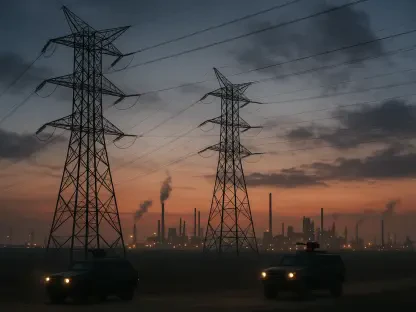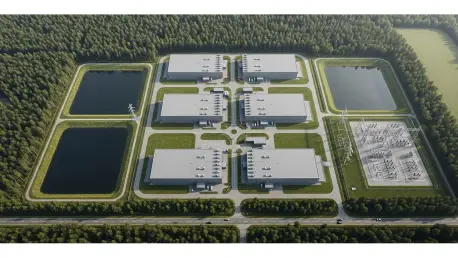

The rolling landscapes of the Bluegrass State are currently undergoing a fundamental transformation as massive hyperscale data centers begin to supplant traditional industrial facilities. These sprawling complexes, essential for the global surge in generative artificial intelligence and high-performance computing, represent a new frontier for the Commonwealth’s economy. Unlike the traditional manufacturing plants that once defined the region, these digital fortresses consume massive amounts of electricity and water, prompting a significant shift in how local governments view high-tech investment. Currently, over thirty major projects are being evaluated by utility providers, signaling an unprecedented influx of capital that threatens to outpace the existing regulatory infrastructure. This rapid expansion has created a visible rift between state-level economic ambitions and the immediate concerns of residents who fear the long-term environmental and financial costs of hosting these energy-intensive neighbors. The scale of these developments suggests that the state is at a critical crossroads where progress must be carefully balanced with local preservation and the stability of the power grid.
Evaluating Resource Consumption and Community Impact
Primary Grievances: Infrastructure Costs and Resource Strain
The primary concern voiced by local advocacy groups and concerned citizens revolves around the long-term stability of utility rates and the physical strain on the electrical grid. Hyperscale data centers require a continuous and immense supply of power, often equivalent to the needs of a medium-sized city, which necessitates significant upgrades to substations and transmission lines. Many residents fear that the costs associated with these massive infrastructure improvements will eventually be passed on to everyday ratepayers through increased monthly bills. This financial anxiety is compounded by the environmental reality of industrial cooling systems, which can consume millions of gallons of water daily. In rural areas where water tables are sensitive, the prospect of a single facility drawing such a vast amount of a shared resource has sparked intense debate over the prioritization of industrial growth over residential security. Communities are demanding more rigorous environmental impact studies before any additional ground is broken on these high-consumption sites.
Beyond the invisible drain on resources, the physical presence of data centers introduces localized nuisances that have soured public opinion in several Kentucky counties. The constant, high-frequency hum produced by industrial-scale cooling fans and backup generators can travel significant distances, disrupting the quiet character of rural and suburban neighborhoods. This noise pollution, combined with the sterile, windowless architecture of the facilities, has led many to argue that data centers are poor neighbors compared to other industries. Furthermore, while these projects often boast billion-dollar price tags in terms of capital investment, the actual number of permanent jobs created is relatively small once the initial construction phase is completed. This discrepancy has led local leaders to question the true public benefit of dedicating large swaths of land to an industry that offers high tax revenue but limited long-term employment for the local workforce. As a result, the initial enthusiasm for high-tech expansion is being replaced by a more cautious and skeptical approach to zoning.
Transparency Issues: Non-Disclosure Agreements and Land Use
A significant source of community distrust stems from the frequent use of Non-Disclosure Agreements by tech companies and economic development agencies during the early stages of project planning. These legal shields often prevent local officials from discussing the specifics of a project with their constituents until the deal is nearly finalized, leaving the public feeling excluded from decisions that directly affect their property values and quality of life. This lack of transparency has led to a perceived “regulatory bypass,” where large corporations appear to have more influence over local land use than the people living in the community. In response, many citizens are calling for a complete overhaul of the site selection process to ensure that public hearings are held well before any permits are issued. The demand for openness is not just about the projects themselves but about restoring faith in local governance and ensuring that the interests of the community are not sacrificed for the sake of attracting high-profile corporate logos to the region.
The debate over land use is further complicated by the permanency of these facilities and the potential for “stranded assets” should the technology sector shift its focus in the coming decade. Critics of the current development pace argue that converting agricultural or prime industrial land into specialized data center sites could limit future economic diversity. Unlike a warehouse or a traditional factory that can be repurposed for a variety of uses, a hyperscale data center is a highly specific structure that may be difficult to adapt if it ever becomes obsolete. This long-term risk has prompted a more conservative outlook on how many of these facilities a single county should host. By prioritizing diversity in industrial development, local leaders hope to avoid the mistakes of previous eras where over-reliance on a single industry led to economic stagnation when that sector eventually declined. Balancing the immediate lure of tech investment with the need for a resilient and adaptable local economy has become a central theme in recent town hall meetings across the Commonwealth.
Contrasting Governance Strategies and Sector Responses
Strategic Pauses: Local Moratoriums and Protective Ordinances
Local governments in counties such as Daviess and Allen have taken the unprecedented step of implementing moratoriums on new data center developments to regain control over their planning processes. These temporary bans, ranging from twelve to twenty-four months, are designed to give planners and elected officials the necessary time to research and draft comprehensive zoning ordinances that specifically address the unique requirements of the data center industry. By hitting the pause button, these communities are signaling that they will no longer accept a “one-size-fits-all” approach to industrial expansion. The goal is to establish clear standards for noise mitigation, water conservation, and mandatory setbacks from residential areas, ensuring that any future projects are integrated into the community with minimal friction. These moratoriums are seen as a defensive measure against the rapid pace of the industry, allowing local leaders to prioritize the well-being of their constituents over the speed of corporate development.
While some rural counties have opted for total pauses, urban centers like Louisville and Lexington are grappling with more complex decisions regarding their role in the digital economy. In Louisville, the debate has been characterized by a fear that implementing a moratorium could damage the city’s reputation as a business-friendly hub, potentially driving investment to more welcoming states. In contrast, Lexington has focused on developing precise zoning categories that allow for data center growth only in specific, pre-determined industrial corridors where the impact on residents is minimized. This middle-ground approach seeks to harness the economic benefits of the tech sector without the “headaches” experienced by regions that lacked a specialized regulatory framework. Meanwhile, cities like Bowling Green have moved forward with a more aggressive pro-growth strategy, rejecting the idea of moratoriums in favor of securing as many high-value projects as possible to boost their local tax base and support municipal services.
Industry Perspectives: The Case for Rapid Integration
The data center industry, represented by groups like the Data Center Coalition, has cautioned that the wave of local moratoriums could permanently stifle Kentucky’s technological progress. Industry advocates argue that these facilities are the backbone of the modern economy and that the massive tax revenues they generate can fund schools, roads, and emergency services for decades. They contend that the current utility regulations are already robust enough to protect residential ratepayers and that the industry is being unfairly targeted by misconceptions about resource usage. From their perspective, a moratorium is not just a pause but a signal to global tech firms that Kentucky is a risky and unpredictable environment for investment. They emphasize that the window of opportunity to capture this specific sector of the AI-driven economy is narrow, and that prolonged delays could cause developers to bypass the Commonwealth in favor of neighboring states that offer more streamlined approval processes.
Furthermore, industry representatives point out that many modern data centers are becoming increasingly efficient, utilizing advanced closed-loop cooling systems that significantly reduce their water footprint compared to older designs. They argue that by working collaboratively with local governments instead of facing blanket bans, companies can tailor their facilities to meet specific community needs, such as contributing to local renewable energy projects or providing high-speed fiber connectivity to underserved areas. The industry maintains that the high level of capital investment brings a degree of stability that few other sectors can match, especially in a fluctuating global economy. By emphasizing these long-term fiscal benefits, tech advocates hope to shift the conversation away from immediate inconveniences and toward the role these centers play in securing a prosperous future for the state. They continue to lobby for a more standardized approach at the state level that would provide the certainty needed to move forward with multibillion-dollar investments.
Navigating the State Regulatory Framework
Legislative Gaps: The Absence of Statewide Standards
The current fragmentation of local responses is largely a result of the regulatory vacuum left by the Kentucky Legislature, which has yet to pass comprehensive laws governing the data center sector. During the most recent legislative session, several bills aimed at addressing the environmental and financial impacts of these facilities failed to gain traction, leaving individual counties to navigate these complex issues on their own. This lack of statewide guidance has put local officials in a difficult position, as they often lack the technical expertise or the legal resources to challenge well-funded corporate developers. Without a uniform framework that sets standards for noise levels, water usage, and ratepayer protections, the state risks a “race to the bottom” where counties compete by offering increasingly lax regulations. Local leaders have expressed frustration that they are being forced to act as the primary defenders of the public interest without the support of clear state mandates or specialized technical assistance.
The sentiment that local communities are being used as “guinea pigs” for a new and largely untested industry is a recurring theme in the push for state intervention. Residents remember the legacy of past industrial booms that left behind environmental burdens once the companies moved on, and they are wary of repeating those mistakes with the data center sector. There is a growing demand for the state to establish a “ratepayer protection fund” or similar mechanism that would ensure that any future grid upgrades are paid for by the developers themselves rather than being socialized across the entire population. As the 2027 legislative session approached, the pressure increased on state lawmakers to provide a balanced roadmap that recognizes the economic potential of the digital age while strictly safeguarding the natural resources and financial stability of the Commonwealth. The absence of such a framework has made the local moratoriums not just an option, but a perceived necessity for the preservation of community integrity and long-term planning.
Establishing Sustainable Development Pathways: Lessons Learned
State officials finally recognized that the haphazard approach to data center expansion required a more structured and transparent methodology. Legislators moved to draft comprehensive guidelines that mandated environmental impact assessments and capped the amount of water a single facility could draw from local aquifers. These new regulations effectively removed the burden from small county governments, providing them with the legal backing needed to negotiate better terms with tech giants. By establishing clear thresholds for noise and energy consumption, the state created a predictable environment that allowed developers to plan with more certainty while ensuring that residential areas remained protected. The transition toward a more regulated environment was not immediate, but it served as a necessary correction to the initial period of unchecked growth. This shift ensured that the Commonwealth remained a viable destination for tech investment without sacrificing the qualities that made its rural and suburban communities desirable places to live.
The integration of these massive facilities eventually moved toward a model of community partnership rather than mere land acquisition. Developers began to invest in local infrastructure beyond their own fences, such as upgrading wastewater treatment plants and funding vocational programs focused on high-tech maintenance. These actions helped to mitigate some of the early skepticism and demonstrated that the industry could provide a broader public benefit than just tax revenue. Local zoning boards also became more sophisticated, utilizing the data gathered during the moratorium periods to create specialized tech zones that isolated the noise and traffic of data centers from residential neighborhoods. The move toward transparency, including the reduction of restrictive non-disclosure agreements, fostered a more collaborative relationship between the public and private sectors. By taking the time to pause and evaluate the long-term consequences of these projects, Kentucky was able to build a more resilient and sustainable framework for its future industrial landscape.