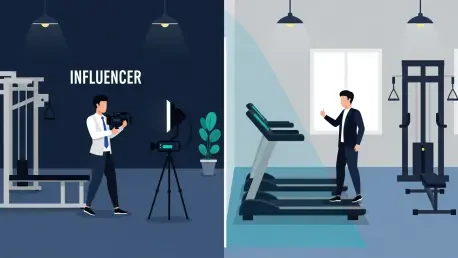

The rapid ascent of the “manfluencer” and the pervasive culture of constant digital documentation have pushed our current legal frameworks to a breaking point. As public spaces increasingly become backdrops for commercial content, the state of Louisiana is taking a proactive stance to redefine what it means to be “private” in an age where everyone carries a high-definition camera. Leading the charge in interpreting these shifts is Donald Gainsborough, a political savant and the driving force behind Government Curated. With an extensive background in policy and legislation, Gainsborough has spent years navigating the murky waters where individual expression meets the collective right to anonymity. His insights are particularly vital as we move away from simple “one-party consent” rules toward a more nuanced understanding of digital trespassing in gyms, parks, and retail environments.
This conversation delves into the proposed legislative shifts in Louisiana, specifically examining how the state aims to protect citizens from being unwillingly featured in viral content. We explore the legal definitions of privacy expectations in sensitive areas like locker rooms, the practical hurdles fitness centers face when policing “tripod culture,” and the specific strategies creators must adopt to stay compliant. Throughout the discussion, Gainsborough highlights the parallels between digital data tracking and physical recording, suggesting that our approach to in-person privacy is finally catching up to the strict standards we apply to online cookies and data harvesting.
Louisiana is considering updates to its in-person recording rules due to the increasing presence of content creators in public and semi-public spaces. What specific privacy gaps are these updates intended to fill, and how would these changes physically alter the way people record in shared environments?
The primary gap we are seeing involves the transition of public spaces into “third-party” data collection points where bystanders become involuntary participants in a commercial product. Currently, our laws often fail to distinguish between a tourist taking a quick photo and a professional creator set up for a six-hour shoot that captures every person walking through a gym or a park. These updates are designed to mirror the “strictly necessary” protections we see in digital law, ensuring that recording does not interfere with the proper functioning of a shared environment or the privacy choices of others. Physically, this means creators may soon be required to establish clear “recording zones” or utilize technology that automatically alerts others that filming is in progress. We want to move toward a model where the “opt-out” for a bystander is as simple as walking around a marked area, rather than having to confront a creator who has already uploaded their likeness to a global audience.
Updating recording laws often creates a conflict between personal expression and the right to privacy. How should a state define the “expectation of privacy” in areas like locker rooms or fitness centers, and what specific legal thresholds determine when a recording becomes a violation rather than a hobby?
The legal threshold centers on whether a person has a “functional” need to be in that space without being monitored by a third-party lens. In a locker room, the expectation of privacy is absolute because the physical activities performed there are inherently sensitive; any recording, regardless of the creator’s intent, constitutes a fundamental violation of that person’s “first-party” rights to their own body and image. We look at whether the recording is used for “advertising and marketing efforts,” which elevates a simple hobby to a commercial endeavor that requires a much higher level of consent. If a creator is profiting from the background presence of others—essentially “selling” the atmosphere of a public gym to their followers—they have crossed the line from personal expression into data and image exploitation. Our goal is to ensure that the site performance of a gym or a park is measured by the comfort of its patrons, not by the engagement metrics of a single influencer’s social media post.
Many creators rely on filming their daily routines to build an audience and a brand. What are the practical steps a creator should take to ensure compliance with stricter recording mandates, and what specific strategies can they use to maintain content quality while respecting the boundaries of bystanders?
Creators must start treating their filming process with the same transparency we expect from a website’s “cookie banner,” providing clear notice to everyone in the immediate vicinity before the record button is pressed. One practical step is the use of directional microphones and narrow-angle lenses that focus strictly on the creator, effectively “opting out” the surrounding environment from the frame. If you are filming in a high-traffic area, you should implement post-production strategies like blurring the faces of bystanders or using AI tools to remove non-consenting individuals entirely from the background. We are also seeing a rise in “scheduled filming” where creators work with business owners to film during off-peak hours, ensuring that the content quality remains high without compromising the privacy of a crowded room. Ultimately, the most successful creators will be those who view privacy compliance not as a hurdle, but as a “performance” standard that proves their professionalism and respect for their community.
Enforcing recording rules in venues like gyms or parks presents significant logistical challenges. What specific training or technology would business owners need to handle disputes between patrons and influencers, and how would these regulations change the daily operations of these establishments?
Business owners will need to become more like “privacy officers,” trained to mediate the friction between a creator’s desire for content and a patron’s right to be left alone. Establishments may need to invest in signal-detection technology or simple physical signage that designates “No-Film Zones,” much like we have designated smoking or quiet areas. Daily operations will likely include a check-in process where creators must register their equipment or agree to a set of “functional” recording terms before they are allowed to set up a tripod. When disputes arise, staff will need clear, legally backed protocols to ask a creator to cease recording or to remove a specific piece of footage if a patron feels their privacy has been compromised. This creates a more controlled environment where the “sale” of the establishment’s aesthetic is managed by the owner, rather than being harvested freely by any influencer with a smartphone.
What is your forecast for the regulation of content creators in public spaces?
I predict a significant shift toward a “permit-and-consent” model, where any recording intended for commercial monetization in a semi-public space will require a digital or physical “opt-in” from those captured in the frame. We will likely see more states following Louisiana’s lead, moving away from the “wild west” of influencers recording wherever they please and toward a structured framework that treats human likeness with the same protection we afford to private digital data. You can expect to see the development of “privacy-first” venues that explicitly ban recording to attract patrons who are tired of being background characters in someone else’s life. Eventually, the technology itself—the phones and cameras we use—will likely include built-in safeguards that automatically detect and blur human faces in real-time unless specific consent is granted. For our readers, my advice is to stay informed about your local “opt-out” rights; your presence in a public space should never be treated as a free commodity for someone else’s brand growth.