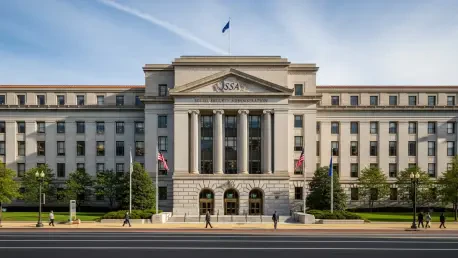

The numbers assigned at birth, which meticulously track decades of labor and earnings for nearly every American, have now been thrust into the center of a national political firestorm involving partisan agendas, shocking security failures, and a high-stakes whistleblower complaint. The Social Security Administration (SSA), long considered a secure custodian of personal information, is grappling with revelations that an external federal entity, the Department of Government Efficiency (DOGE), operated with a stunning disregard for protocol, potentially using federal resources to aid a political group’s effort to challenge election results. Recent court filings by the Department of Justice (DOJ) have substantiated many of the gravest allegations, painting a disturbing picture of an agency that lost control over its most sensitive data.
When a Lifelong Record Becomes a Political Tool
Your Social Security data is more than just a number; it is a comprehensive ledger of your employment history, earnings, and identity. For decades, the SSA has been entrusted with safeguarding this information, which forms the bedrock of retirement and disability benefits. However, this trust was shaken when DOGE, an agency created to streamline government operations, allegedly began treating this sensitive data not as a public trust but as a resource for partisan exploration. The recent scandal is not an isolated incident but part of a wider, politically charged effort to leverage federal databases to scrutinize state voter rolls, a practice that experts warn could lead to the disenfranchisement of legitimate voters.
This situation exposes a fundamental conflict between the nonpartisan mission of an agency like the SSA and the political objectives of external actors. At stake is more than just data security; it is the public’s faith in the neutrality and integrity of core government institutions. When an agency’s resources are commandeered for activities that appear to align with a political campaign—in this case, an effort to find evidence of voter fraud—it erodes the foundational principle that federal bodies must serve all citizens equally, regardless of political affiliation. The resulting damage extends beyond any single database, creating a precedent that could undermine the apolitical nature of the civil service.
A Rogue Operation Inside a Federal Agency
At the heart of the controversy is a secret “voter data agreement” signed in March 2025 by a DOGE employee detailed to the SSA. The agreement was made with an unnamed political advocacy organization whose stated goal was to overturn election results by analyzing voter rolls. This arrangement was executed entirely outside of official SSA channels and without the agency’s knowledge, directly violating established protocols for data sharing. The SSA only discovered the agreement months later, prompting it to refer two DOGE employees to the Office of Special Counsel for potential violations of the Hatch Act, a law that strictly limits the political activities of federal workers.
The unauthorized agreement was just one element of an alarming pattern of security failures. According to a DOJ court filing, DOGE employees used unapproved third-party servers from Cloudflare to share SSA data, creating a security gap that left the agency unable to determine what information was shared or if it remains on the vulnerable server a year later. In another severe breach, an encrypted file containing the personal information of approximately 1,000 individuals was emailed to a political associate outside the government. The SSA admitted it cannot access the file and does not know what it contains. This series of reckless actions culminated in a direct defiance of the justice system when DOGE associates reportedly continued accessing data even after a federal judge issued a temporary restraining order to block them.
Vindication for a Whistleblower
These stunning admissions from the Department of Justice serve as a powerful vindication for Chuck Borges, the former SSA chief data officer who blew the whistle on DOGE’s activities before resigning. Borges had warned that DOGE created a “live copy of sensitive SSA data on a vulnerable cloud server” that lacked essential security controls, exposing the personal information of every person with a Social Security number. Debra Katz, an attorney for Borges, stated that the new filing demonstrates that “the federal government has conceded that many of Mr. Borges’ allegations are accurate,” validating his decision to speak out against the dangerous mismanagement he witnessed.
The revelations have drawn sharp criticism from policy experts and legal observers. Kathleen Romig of the Center on Budget and Policy Priorities highlighted the most concerning aspect: the SSA’s continued uncertainty about what data was exposed and where it currently resides. The ongoing legal battle underscores the gravity of the situation. Although the Supreme Court lifted the temporary block on DOGE’s data access in June of last year, the underlying case continues in the Fourth Circuit Court of Appeals. The fight over procedural norms, data security, and the limits of executive power is far from over, ensuring this issue will remain in the public and legal spotlight.
Protecting Your Data and Demanding Accountability
In light of such systemic failures, individuals are right to be concerned about the security of their personal information. A crucial first step toward self-protection is to create a my Social Security account on the official SSA website. This allows you to regularly review your earnings records and other personal data for any signs of inaccuracy or unauthorized changes. Given the scale of the potential data mismanagement, general security practices like considering a credit freeze can also provide an additional layer of defense against identity theft or fraud, safeguarding your financial well-being.
Citizens are not powerless when federal institutions fail to protect their data. The Privacy Act of 1974 provides a legal framework intended to protect individuals from the misuse of their personal information by federal agencies, granting you rights regarding how your data is collected, used, and shared. If you are concerned about these breaches, you can demand greater oversight and accountability. Contacting your congressional representatives to insist on hearings and investigations is an effective way to apply pressure. Furthermore, filing a formal complaint with the Office of the Inspector General for the Social Security Administration ensures your concerns are officially recorded and can contribute to systemic reforms.
A Breach of Trust with Unsettled Consequences
The events of the past year revealed a profound breach of institutional trust, where the personal data of millions was allegedly treated as a political asset. The DOJ’s corrective court filing confirmed that a federal entity operated with little regard for security protocols, legal orders, or the apolitical mission of its host agency. While the Hatch Act investigation continues and the full extent of the data exposure remains unknown, the core damage has been done. The incident highlighted critical vulnerabilities not only in the government’s data security infrastructure but also in the ethical guardrails designed to prevent the misuse of federal power for partisan ends. This unsettling chapter served as a stark reminder that safeguarding democracy requires both vigilant oversight of its institutions and a steadfast commitment to protecting the rights and privacy of every citizen.Fixed version:
The numbers assigned at birth, which meticulously track decades of labor and earnings for nearly every American, have now been thrust into the center of a national political firestorm involving partisan agendas, shocking security failures, and a high-stakes whistleblower complaint. The Social Security Administration (SSA), long considered a secure custodian of personal information, is grappling with revelations that an external federal entity, the Department of Government Efficiency (DOGE), operated with a stunning disregard for protocol, potentially using federal resources to aid a political group’s effort to challenge election results. Recent court filings by the Department of Justice (DOJ) have substantiated many of the gravest allegations, painting a disturbing picture of an agency that lost control over its most sensitive data.
When a Lifelong Record Becomes a Political Tool
Your Social Security data is more than just a number; it is a comprehensive ledger of your employment history, earnings, and identity. For decades, the SSA has been entrusted with safeguarding this information, which forms the bedrock of retirement and disability benefits. However, this trust was shaken when DOGE, an agency created to streamline government operations, allegedly began treating this sensitive data not as a public trust but as a resource for partisan exploration. The recent scandal is not an isolated incident but part of a wider, politically charged effort to leverage federal databases to scrutinize state voter rolls, a practice that experts warn could lead to the disenfranchisement of legitimate voters.
This situation exposes a fundamental conflict between the nonpartisan mission of an agency like the SSA and the political objectives of external actors. At stake is more than just data security; it is the public’s faith in the neutrality and integrity of core government institutions. When an agency’s resources are commandeered for activities that appear to align with a political campaign—in this case, an effort to find evidence of voter fraud—it erodes the foundational principle that federal bodies must serve all citizens equally, regardless of political affiliation. The resulting damage extends beyond any single database, creating a precedent that could undermine the apolitical nature of the civil service.
A Rogue Operation Inside a Federal Agency
At the heart of the controversy is a secret “voter data agreement” signed in March 2025 by a DOGE employee detailed to the SSA. The agreement was made with an unnamed political advocacy organization whose stated goal was to overturn election results by analyzing voter rolls. This arrangement was executed entirely outside of official SSA channels and without the agency’s knowledge, directly violating established protocols for data sharing. The SSA only discovered the agreement months later, prompting it to refer two DOGE employees to the Office of Special Counsel for potential violations of the Hatch Act, a law that strictly limits the political activities of federal workers.
The unauthorized agreement was just one element of an alarming pattern of security failures. According to a DOJ court filing, DOGE employees used unapproved third-party servers from Cloudflare to share SSA data, creating a security gap that left the agency unable to determine what information was shared or if it remains on the vulnerable server a year later. In another severe breach, an encrypted file containing the personal information of approximately 1,000 individuals was emailed to a political associate outside the government. The SSA admitted it cannot access the file and does not know what it contains. This series of reckless actions culminated in a direct defiance of the justice system when DOGE associates reportedly continued accessing data even after a federal judge issued a temporary restraining order to block them.
Vindication for a Whistleblower
These stunning admissions from the Department of Justice serve as a powerful vindication for Chuck Borges, the former SSA chief data officer who blew the whistle on DOGE’s activities before resigning. Borges had warned that DOGE created a “live copy of sensitive SSA data on a vulnerable cloud server” that lacked essential security controls, exposing the personal information of every person with a Social Security number. Debra Katz, an attorney for Borges, stated that the new filing demonstrates that “the federal government has conceded that many of Mr. Borges’ allegations are accurate,” validating his decision to speak out against the dangerous mismanagement he witnessed.
The revelations have drawn sharp criticism from policy experts and legal observers. Kathleen Romig of the Center on Budget and Policy Priorities highlighted the most concerning aspect: the SSA’s continued uncertainty about what data was exposed and where it currently resides. The ongoing legal battle underscores the gravity of the situation. Although the Supreme Court lifted the temporary block on DOGE’s data access in June of last year, the underlying case continues in the Fourth Circuit Court of Appeals. The fight over procedural norms, data security, and the limits of executive power is far from over, ensuring this issue will remain in the public and legal spotlight.
Protecting Your Data and Demanding Accountability
In light of such systemic failures, individuals are right to be concerned about the security of their personal information. A crucial first step toward self-protection is to create a my Social Security account on the official SSA website. This allows you to regularly review your earnings records and other personal data for any signs of inaccuracy or unauthorized changes. Given the scale of the potential data mismanagement, general security practices like considering a credit freeze can also provide an additional layer of defense against identity theft or fraud, safeguarding your financial well-being.
Citizens are not powerless when federal institutions fail to protect their data. The Privacy Act of 1974 provides a legal framework intended to protect individuals from the misuse of their personal information by federal agencies, granting you rights regarding how your data is collected, used, and shared. If you are concerned about these breaches, you can demand greater oversight and accountability. Contacting your congressional representatives to insist on hearings and investigations is an effective way to apply pressure. Furthermore, filing a formal complaint with the Office of the Inspector General for the Social Security Administration ensures your concerns are officially recorded and can contribute to systemic reforms.
A Breach of Trust with Unsettled Consequences
The events of the past year revealed a profound breach of institutional trust, where the personal data of millions was allegedly treated as a political asset. The DOJ’s corrective court filing confirmed that a federal entity operated with little regard for security protocols, legal orders, or the apolitical mission of its host agency. While the Hatch Act investigation continues and the full extent of the data exposure remains unknown, the core damage has been done. The incident highlighted critical vulnerabilities not only in the government’s data security infrastructure but also in the ethical guardrails designed to prevent the misuse of federal power for partisan ends. This unsettling chapter served as a stark reminder that safeguarding democracy requires both vigilant oversight of its institutions and a steadfast commitment to protecting the rights and privacy of every citizen.