
The quiet hum of electric motors over the Wasatch Range marks a departure from the thunderous roar of traditional jet engines, signaling a monumental shift in how the United States approaches regional air mobility. Utah is rapidly transforming from a scenic mountain destination into the epicenter of the next great leap in aviation: electric flight. As the federal government seeks to decarbonize the skies, it has turned its attention to the Beehive State as a primary testing ground for zero-emission aircraft and advanced propulsion systems. This shift is not merely a local development but a strategic national move that signals a broader commitment to sustainable transportation. This analysis explores the factors that have made Utah the ideal candidate for federal investment, the technological challenges inherent in electric aviation, and the modern digital frameworks required to report on these advancements with transparency.
Building on a Foundation of Aerospace Excellence
The selection of Utah as a hub for federal electric flight is not a matter of chance; it is the result of decades of industrial evolution. Utah has long maintained a robust aerospace and defense ecosystem, anchored by Hill Air Force Base and a high concentration of specialized engineering firms. Historically, the state has provided the unique geography and controlled airspace necessary for testing high-performance military hardware. These foundational elements are now being repurposed for the green revolution.
By leveraging existing infrastructure and a workforce skilled in complex systems integration, the federal government is effectively accelerating the timeline for electric vertical takeoff and landing (eVTOL) aircraft and regional electric commuters. This transition from traditional combustion to electric power represents one of the most significant industry shifts since the dawn of the jet age. The state’s ability to pivot its heavy-industrial expertise toward sustainable battery-electric systems suggests a high level of economic adaptability that few other regions can match.
Navigating the Intersection of Innovation and Accountability
Leveraging Regional Infrastructure for Sustainable Innovation
The core of Utah’s appeal lies in its combination of high-altitude testing environments and a collaborative industrial network. Electric flight technologies face unique challenges, particularly regarding battery density and thermal management in varying atmospheric conditions. Utah’s diverse topography provides a rigorous proving ground that data-driven federal agencies require to validate safety and performance standards. Furthermore, the move toward electric aviation is a response to the urgent need for zero-emission transport. Case studies of early test flights in the region suggest that regional partnerships between state universities, private tech firms, and federal regulators are essential for overcoming the steep mechanical and electrical hurdles associated with flight.
The Critical Balance of Technological Progress and Public Transparency
As the aerospace industry pivots toward sustainable energy, the way these developments are communicated to the public is also undergoing a transformation. Modern industrial shifts are no longer documented in a vacuum; they exist within a digital landscape that demands high standards of transparency. The reporting of Utah’s electric flight progress is intrinsically linked to the digital platforms that share this news, necessitating a sophisticated approach to data management. Just as aerospace engineers must balance aircraft weight with battery power, digital publishers must balance site functionality with user privacy. This reflects a broader trend where the “sale” of personal data is strictly regulated, ensuring that the public can follow technological breakthroughs without compromising their digital rights.
Addressing Complexities in Regional Integration and Market Perceptions
The expansion of electric flight in Utah is not without its complexities. There are significant misconceptions regarding the readiness of the power grid to support large-scale aircraft charging and the noise profiles of new propulsion systems. To address these concerns, experts point toward disruptive innovations in smart-grid technology and modular battery swapping. Additionally, the move toward federal electric flight involves navigating a patchwork of regional regulations and market-specific considerations. It is a common misunderstanding that electric flight will immediately replace long-haul commercial jets; in reality, the focus is currently on short-haul regional routes that can maximize the efficiency of current battery technology.
The Horizon of Zero-Emission Aviation and Regulatory Shifts
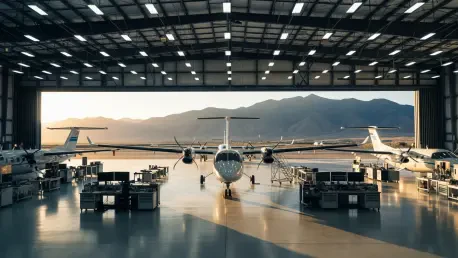
The future of the aviation industry is being written in the hangars and laboratories of Northern Utah. Looking ahead, we can expect a surge in technological innovations, particularly in the realm of solid-state batteries and hydrogen-electric hybrids. These advancements will likely be accompanied by significant regulatory changes as the FAA and other federal bodies establish new certification pathways for non-traditional aircraft. This regulatory evolution is crucial for moving from experimental prototypes to commercialized regional networks that can serve the general public.
Economically, Utah is positioned to become a magnet for venture capital and high-tech manufacturing, potentially reshaping the state’s economy for the next half-century. Experts predict that within the next few years, the lessons learned in Utah will serve as the blueprint for integrating electric aviation into the national airspace system. As manufacturing costs for electric components decrease, the barrier to entry for smaller regional airports will likely drop, creating a more interconnected and environmentally friendly domestic travel network.
Actionable Strategies for Navigating the New Aviation Landscape
For businesses and professionals looking to capitalize on this shift, the primary recommendation is to align with the growing green aerospace supply chain. Companies should focus on developing components that meet the rigorous weight and safety standards of electric propulsion. Furthermore, staying informed through transparent digital channels is crucial. As seen with modern data privacy protocols, professionals should prioritize platforms that offer clear disclosures and respect user preferences. This alignment between high-tech hardware and ethical software practices defines the modern industrial standard.
For consumers and local residents, the best practice is to engage with regional planning committees to understand how electric flight infrastructure will integrate into local communities. Understanding the timeline for vertiport construction and the expected noise reductions compared to helicopters can help foster public support. Strategic investment in local STEM programs also ensures that the upcoming generation is prepared to maintain and operate these sophisticated new platforms.
A Legacy of Innovation and Environmental Responsibility
In summary, Utah’s emergence as the hub for federal electric flight was a testament to the state’s enduring aerospace legacy and its readiness to embrace a sustainable future. The convergence of federal ambition, regional expertise, and a commitment to environmental accountability created a unique environment where the future of flight took wing. This topic remained significant because it represented more than just a technological upgrade; it was a fundamental shift in how humanity moved and interacted with the planet. As the industry looked toward a horizon of quieter, cleaner skies, the synergy between innovative engineering and transparent information sharing remained the cornerstone of progress. Stakeholders successfully prioritized long-term ecological health while maintaining the economic momentum of one of the nation’s most vital industrial sectors.