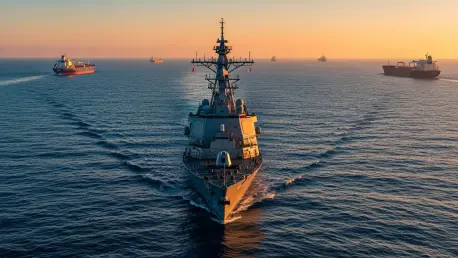

The silence currently hanging over the Strait of Hormuz is perhaps the loudest sound in the global economy, as twenty percent of the world’s oil supply remains trapped behind a geopolitical blockade. With the White House moving beyond traditional diplomatic nuance toward a chillingly direct ultimatum, the global energy market is holding its collective breath. President Trump’s recent declaration—threatening to blast Iran into oblivion if the waterway is not reopened—marks a stark departure from containment, shifting the focus toward the potential for total national destruction.
This is no longer a regional skirmish; it has transformed into a definitive test of military power and national resolve that could rewrite the rules of modern warfare. The administration frames this stance as a necessary response to an existential threat to global trade. However, the sheer scale of the rhetoric suggests that the United States is prepared to abandon decades of strategic patience in favor of a decisive, albeit high-risk, resolution.
The Geopolitical Powderkeg and the Global Energy Crisis
Understanding the gravity of the current standoff requires looking at the critical role of the Strait of Hormuz as a global economic artery. When Tehran shuttered the passage, it did not just provoke a military response; it triggered a massive surge in domestic gas prices that now threatens the stability of the American economy and the GOP’s momentum ahead of the midterm elections. The tension is further compounded by a widening rift within NATO, as allies hesitate to join a mission that carries the risk of a protracted, catastrophic conflict.
The background of this crisis is a volatile blend of psychological warfare and tactical maneuvers, where a single misstep could ignite a global recession. While the U.S. pushes for a unified front, international partners worry that the current path leads toward an inescapable escalation. Consequently, the administration finds itself balancing the need for domestic economic relief against the danger of international isolation in a rapidly deteriorating theater.
From Tactical Strikes to Total Infrastructure Warfare
The U.S. military strategy has evolved rapidly from precision strikes to a broader, more aggressive posture targeting the very foundations of Iranian society. Recent strikes on Kharg Island focused on bunkers and radar installations, signaling a willingness to hit high-value targets while narrowly avoiding oil infrastructure for now. This selective targeting served as a final warning, demonstrating that American forces can dismantle defensive capabilities without immediately destroying the resources they intend to liberate.
The Pentagon is reportedly recalibrating its strike lists to include energy sites that serve both military and civilian functions, a move designed to maximize pressure while navigating the legal complexities of international law. Vice President JD Vance has reinforced a strict timeline, maintaining that the window for a viable Iranian proposal is closing by Tuesday night. Threats to bridges, power plants, and desalination facilities represent a shift toward a policy that directly impacts the Iranian populace’s basic survival needs.
Conflicting Rhetoric and Expert Perspectives on Escalation
Military analysts and administration officials present a jarringly contradictory narrative of the path forward. While the President uses bellicose language to project strength, the administration paradoxically claims that negotiations are proceeding in good faith. This madman theory of diplomacy is viewed by some experts as a calculated psychological tactic to force a concession without firing another shot. It seeks to leave Tehran with no choice but to blink first under the pressure of imminent annihilation.
Skeptics argue that the lack of support from NATO allies suggests that the U.S. may find itself isolated if the ultimatum leads to a full-scale invasion. This potential overextension of American resources comes with no clear exit strategy, raising fears of another long-term entanglement in the Middle East. If the psychological pressure fails to produce a diplomatic breakthrough, the transition from rhetoric to reality could happen with devastating speed and unpredictable consequences.
Navigating the Volatile Road to De-escalation or Conflict
The path to resolving this crisis involved a complex framework of diplomatic pressure and military readiness that the administration had to balance carefully. Officials utilized the remaining hours before the deadline to pivot from threats to specific, verifiable concessions regarding maritime transit. Simultaneously, implementing domestic strategies to mitigate gas price surges helped reduce the political pressure that might have driven a hasty military escalation.
Future stability now depends on shifting from public frustration with allies to private, high-level intelligence sharing to build a unified front. By maintaining enough military pressure to keep the ultimatum credible while ensuring the rhetoric did not box the nation into an unwinnable war, the administration sought a middle path. Ultimately, the focus shifted toward ensuring maritime freedom through a combination of strategic ambiguity and a renewed emphasis on international energy security protocols.