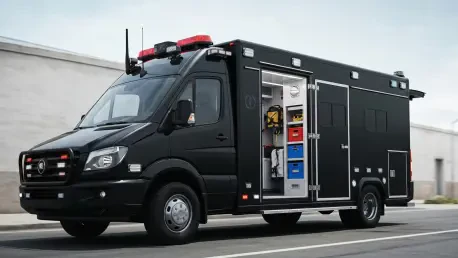

Imagine a bustling metropolis like New York City, where millions of lives intersect every day, and a single moment of crisis can ripple through the urban fabric with devastating speed. In such an environment, the difference between chaos and control often hinges on the ability of emergency services to respond swiftly and effectively. Recently, the city has taken a bold step forward by unveiling a state-of-the-art emergency communications vehicle, a game-changer designed to strengthen public safety. This innovative addition isn’t just a piece of equipment—it’s a lifeline, promising to transform how emergencies are managed in one of the world’s most dynamic urban centers. With challenges like natural disasters, large-scale accidents, and public safety threats ever-present, this vehicle arrives as a beacon of hope, embodying the city’s resolve to protect its residents through cutting-edge technology.
The timing of this launch couldn’t be more critical. As urban populations swell and emergencies grow more complex, cities must adapt with tools that match the scale of these challenges. This new vehicle represents a proactive stance, signaling New York City’s refusal to be caught off-guard by the unpredictable. Though specific details about its capabilities remain under wraps, the broader mission is clear: to ensure first responders have what they need to act decisively when lives are on the line. It’s a move that speaks to a deeper commitment—modernizing emergency infrastructure to safeguard a metropolis that never sleeps. Let’s dive into how this vehicle leverages technology and addresses the unique demands of an urban giant like NYC.
The Role of Technology in Emergency Response
Bridging Critical Communication Gaps
In the heat of an emergency, communication can be the linchpin that holds a response together or lets it unravel. New York City’s latest emergency communications vehicle steps into this high-stakes arena as a potential mobile command center, likely packed with advanced tools to keep responders connected. Think real-time data feeds that update by the second, satellite links that work even when local networks fail, and radio systems that let police, fire, and medical teams talk seamlessly. This kind of setup isn’t just helpful—it’s essential in a city where a delay of mere minutes can escalate a crisis. By centralizing these capabilities in one vehicle, the city ensures that no matter where disaster strikes, a hub of coordination can roll right into the heart of the action, knitting together the efforts of diverse agencies into a unified front.
Moreover, the impact of such technology goes beyond just connecting teams; it redefines the speed and precision of decision-making. Imagine a scenario where a hurricane floods parts of the city—responders in the field can relay live updates to commanders in the vehicle, who then direct resources exactly where they’re needed most. This isn’t about replacing human judgment but amplifying it with tools that cut through the fog of chaos. In a place as sprawling as New York, where multiple emergencies can unfold at once, having a mobile nerve center like this could slash response times dramatically. It’s a clear signal that the city is investing in solutions that don’t just react to crises but anticipate and outpace them.
Empowering First Responders with Real-Time Tools
Technology in emergency response isn’t merely about flashy gadgets—it’s about empowering those on the front lines with actionable insights. This new vehicle likely serves as a rolling tech hub, giving first responders access to information that can shift the tide in critical moments. For instance, integrated mapping systems could pinpoint blocked routes or damaged infrastructure during a disaster, helping teams navigate around obstacles. Add to that the possibility of live video feeds from drones or street cameras, and suddenly, commanders have eyes on situations they’d otherwise only hear about secondhand. These tools don’t just inform—they equip responders to make split-second calls with confidence, a vital edge in urban emergencies where conditions change rapidly.
What’s equally compelling is how this setup could foster better collaboration across departments. Historically, differing protocols or tech incompatibilities have slowed down joint efforts between, say, police and paramedics. A vehicle designed as a tech bridge can standardize communication, ensuring everyone operates off the same playbook. This isn’t just efficiency for efficiency’s sake; it’s about saving lives by eliminating guesswork. As New York City continues to face multifaceted threats, from blackouts to building collapses, having a mobile platform that turns raw data into clear directives marks a leap toward a safer urban future. It’s technology with a purpose, tailored to the gritty realities of city life.
Addressing Urban Challenges
Tackling a Spectrum of Citywide Threats
New York City isn’t just a place—it’s a pressure cooker of potential emergencies, from towering infernos to crippling storms. The newly introduced emergency communications vehicle seems purpose-built to confront this dizzying array of threats head-on. Whether it’s a hurricane flooding subway lines or a major accident snarling traffic, the vehicle stands as a mobile stronghold, ready to adapt to whatever the city throws at it. Drawing from past events that have tested NYC’s resilience, like Superstorm Sandy or major power outages, this initiative likely fills critical gaps in how emergencies are managed. It’s not hard to see it as a direct response to lessons learned, ensuring that responders aren’t just reacting but staying several steps ahead of unfolding chaos.
Beyond natural disasters, the vehicle’s role extends to managing human-caused crises or large public gatherings that can spiral out of control. Think of Times Square on New Year’s Eve—millions packed into a tight space, where a single incident could trigger panic. A centralized hub on wheels can monitor crowd dynamics, coordinate security, and dispatch aid at a moment’s notice. This versatility is key in a city that’s as much a global stage as it is a home to millions. By providing a platform that can pivot between different types of emergencies, NYC shows an understanding that safety isn’t a one-size-fits-all problem. It’s a tailored approach, molded to the unique pulse of urban life, where diversity in challenges demands diversity in solutions.
Building Resilience in a Dense Metropolis
Urban density brings a unique set of hurdles to emergency response—narrow streets, towering buildings, and sheer population numbers can turn even a small incident into a logistical nightmare. This emergency communications vehicle appears to be a strategic counter to such obstacles, offering a way to bring command and control directly to the epicenter of a crisis. In a city where space is at a premium, having a mobile unit that doesn’t rely on a fixed headquarters means responders can set up shop wherever the need is greatest. This flexibility could prove invaluable during events like widespread flooding, where traditional command centers might be cut off or overwhelmed by the scale of the disaster.
Additionally, the vehicle’s presence speaks to a broader goal of resilience, ensuring that New York City isn’t just surviving emergencies but learning from them to get stronger. It’s conceivable that data gathered during deployments will feed into future planning, refining how resources are allocated or how teams are trained. In a metropolis where every block can present a new challenge, this adaptability is a cornerstone of public safety. The focus isn’t solely on immediate response but on building a framework that evolves with the city’s needs. As urban threats grow more unpredictable, initiatives like this stand as a buffer, weaving technology into the fabric of emergency preparedness to protect a population that depends on rapid, reliable action.
A Step Toward Future-Ready Safety
Pioneering Urban Safety Standards
The rollout of this emergency communications vehicle isn’t just a local win—it’s a blueprint for cities worldwide grappling with similar safety concerns. New York City, often seen as a trendsetter, is sending a powerful message with this move: urban safety demands innovation, and standing still isn’t an option. By embedding cutting-edge tech into its emergency framework, the city sets a standard that others may soon follow. This isn’t about keeping up with the times; it’s about defining them, showing how a mobile command unit can revolutionize response strategies in densely populated areas. It’s a nod to the reality that as cities grow, so must the tools that shield them from harm.
Furthermore, this initiative highlights a commitment to staying proactive rather than reactive. The vehicle’s design likely incorporates feedback from past crises, ensuring it’s not just a theoretical solution but one grounded in real-world challenges. For other urban centers watching, this could spark a wave of similar investments, creating a ripple effect of enhanced safety across global metropolises. It’s a reminder that technology, when wielded with purpose, can bridge the gap between vulnerability and strength. As urban landscapes continue to shift, NYC’s bold step offers a glimpse of what a future-ready emergency system could look like—one that prioritizes both innovation and the people it serves.
Looking Ahead to Sustained Impact
Reflecting on the deployment of this emergency communications vehicle, it’s evident that New York City took a significant stride toward fortifying its defenses against the unpredictable. The integration of advanced technology into emergency response marked a pivotal moment, showcasing how a single innovation could reshape the landscape of urban safety. It wasn’t merely about reacting to past failures but about crafting a tool that anticipated the needs of a complex, ever-changing city. This vehicle stood as a symbol of what was possible when vision met action, laying down a marker for resilience that resonated far beyond city limits.
Looking forward, the challenge lies in sustaining this momentum through continuous evaluation and adaptation. City officials might consider pairing the vehicle’s data capabilities with broader training programs, ensuring responders maximize its potential. Partnerships with tech innovators could further refine its features, keeping pace with emerging threats. Additionally, engaging communities to build trust in these systems will be crucial, turning a piece of hardware into a shared asset for safety. The path ahead involves not just maintaining this tool but expanding its reach, proving that protecting a city starts with bold steps and endures through relentless improvement.