
The Department of Veterans Affairs currently stands at a historical crossroads where the sacred covenant between the nation and its defenders is being tested by radical shifts in operational philosophy. As the second Trump administration enters its first year, the agency is navigating a turbulent transition toward a model that prioritizes aggressive cost-cutting and the systematic outsourcing of clinical services to private “community care” providers. This pivot is not merely a bureaucratic adjustment but a fundamental redefinition of how the government fulfills its obligation to those who bore the brunt of military service. Observers and advocates are increasingly alarmed by reports of a massive exodus of specialized professionals, including the very psychiatrists and psychologists who form the backbone of trauma-informed care. This “brain drain” appears to be a direct consequence of a new administrative directive that favors budgetary efficiency over the continuity of long-term psychological support, leaving many veterans to wonder if the specialized system designed specifically for their unique wounds is being dismantled from within.
The Erosion of the Provider-Patient Relationship
Impact of Staffing Shortages on Clinical Trust
The foundation of any successful mental health intervention is the therapeutic alliance, a delicate bond of trust that often takes months or even years to establish between a veteran and a clinician. In the current landscape of the VA, this alliance is being fractured by a phenomenon known as “therapist bouncing,” where patients are shuffled between different providers due to constant staff resignations and the elimination of vacant positions. For a veteran struggling with the complex layers of Post-Traumatic Stress Disorder, the requirement to repeatedly recount deeply personal and often agonizing experiences to a revolving door of new faces is more than an inconvenience; it is a profound psychological burden. This repetitive trauma of “re-telling” frequently results in clinical exhaustion, leading many individuals to withdraw from the healthcare system entirely because the effort to establish a new connection feels insurmountable. When the system fails to provide a stable point of contact, it effectively severs the lifeline that many veterans rely on for their daily survival and emotional regulation.
Beyond the loss of individual providers, the quality of the clinical interaction itself is undergoing a visible degradation as the agency attempts to stretch its remaining resources. Many veterans have reported that their traditional hour-long individual therapy sessions are being replaced by much shorter thirty-minute check-ins or, in some cases, large-scale group therapy sessions that can include as many as thirty-five participants. While group therapy can be a valuable tool in certain contexts, using it as a universal substitute for one-on-one care often fails to address the specific, nuanced needs of those with severe combat-related trauma. This “thinning out” of services creates an environment where veterans feel they are being processed through a conveyor belt rather than receiving the specialized medical attention they were promised. The shift toward high-volume, low-intensity “touchpoints” may satisfy administrative metrics, but it often leaves the most vulnerable patients feeling isolated and undervalued by the very institution meant to protect them.
The Failure of Alternative Care Models
To mitigate the impact of internal staffing shortages, the VA has increasingly leaned on the “community care” program, which refers veterans to private-sector doctors outside the federal system. While presented as a way to offer more choices and shorter wait times, the reality on the ground has proven to be a bureaucratic nightmare for many seeking urgent assistance. The referral process is frequently described as opaque and sluggish, with administrative hurdles that can delay care for weeks or even months. Furthermore, the private sector is not always equipped to handle the specific complexities of military-related psychological conditions. Many private providers lack the specialized training in veteran-centric trauma that VA clinicians possess, leading to a gap in the quality of care. When a veteran is referred to a community provider who does not understand the nuances of military culture or the specific triggers associated with service, the clinical outcomes are often suboptimal, further eroding the patient’s faith in the recovery process.
The reliance on external providers also creates a fragmented healthcare experience where medical records and treatment plans are not always seamlessly integrated between the VA and the private sector. This lack of coordination can lead to redundant screenings, conflicting medication management, and a general sense of confusion for the veteran who is already navigating a mental health crisis. Wait times for these private appointments, which were supposed to be the solution to VA backlogs, frequently exceed the agency’s own mandated standards, leaving those in immediate need without a reliable safety net. As the system continues to outsource its core responsibilities, it risks losing the centralized expertise that made it a world-class institution. The “safety valve” of community care appears to be under significant pressure, and without a robust internal staff to manage and supplement these external services, the entire framework of veteran support becomes increasingly unstable and difficult for the average user to navigate.
Policy Shifts and Professional Attrition
Ideological Conflicts in the Workplace
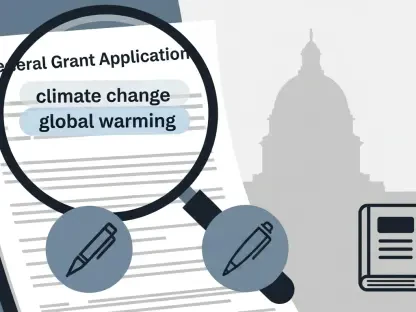
A significant driver of the current staffing crisis is the growing ideological divide between the administration’s new policy directives and the professional ethical standards held by veteran clinicians. Many psychiatrists and social workers have reported that the removal of diversity and equity initiatives, alongside new restrictions on identity-affirming care, has created a workplace environment that feels increasingly hostile to both providers and patients. Clinicians argue that a “failure of empathy” at the highest levels of management is preventing them from delivering the inclusive, comprehensive care required for a diverse veteran population. For many specialists, the ability to address the unique challenges faced by minority and LGBTQ+ veterans is a core component of their clinical mission. When these initiatives are rolled back, it sends a signal that certain groups of veterans may no longer be a priority, leading many high-level professionals to conclude that they can no longer practice ethically within the federal system.
This ideological shift extends to the physical and cultural environment of the clinics themselves, where the removal of supportive literature and changes to inclusive policies have sparked significant internal friction. For a veteran who already feels marginalized, the absence of a welcoming and affirming environment can be a major barrier to seeking help. Clinicians who view these “wraparound” elements as essential to the healing process find themselves at odds with administrative mandates that prioritize a more rigid, traditionalist approach to healthcare. This conflict has led to a wave of resignations among some of the VA’s most experienced and dedicated staff members, who feel that their professional integrity is being compromised. The loss of these experts does not just create a vacancy; it removes decades of institutional knowledge and specialized skill that cannot be easily replaced by new hires or generalist providers in the private sector.
Challenges to Privacy and Telehealth
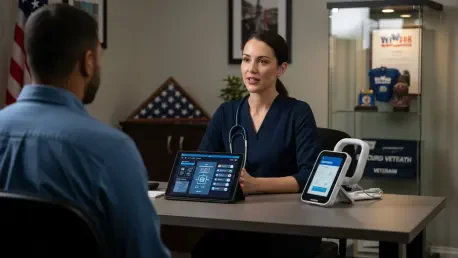
The administration’s push to return to traditional operational modes has also resulted in significant changes to telehealth policies, forcing many providers who were successfully working remotely back into physical offices. In many cases, these VA facilities are ill-equipped to handle the sudden influx of staff, leading to situations where sensitive therapy sessions are being conducted in shared spaces or repurposed conference rooms. This lack of physical privacy is a direct violation of medical ethics and significantly undermines the confidentiality required for effective mental health treatment. Veterans who are sharing their most traumatic memories need to feel secure in their environment; if they suspect their conversation can be overheard by staff or other patients in a hallway, they are far less likely to be honest and open. This logistical failure not only demoralizes the staff but also creates a tangible barrier to effective clinical outcomes for the patients they serve.
Furthermore, the rigid enforcement of in-person requirements ignores the reality that many veterans, particularly those in rural areas or those with severe social anxiety, have found telehealth to be a transformative and accessible way to receive care. By reducing the flexibility of these digital services, the VA is effectively narrowing the window of accessibility for thousands of individuals. Providers have expressed frustration that they are being forced to prioritize administrative “presence” over clinical efficacy and patient preference. This shift is particularly baffling given that the technology for secure, remote consultations is more advanced than ever before. When clinicians are prevented from utilizing the most effective tools for their specific patient population, the resulting burnout and dissatisfaction often lead them to seek employment in the private sector, where telehealth flexibility is the industry standard. This loss of talent further depletes the VA’s internal capacity to manage its burgeoning caseload.
Statistical Discrepancies and Reality on the Ground
The Narrative of Efficiency vs. Clinical Reality
In response to growing criticism, VA leadership frequently cites high-level data points to argue that the system is more efficient than ever, pointing to a general increase in the total volume of medical appointments. However, these statistics often fail to paint a complete picture of the veteran experience because they do not distinguish between a high-quality, sixty-minute therapy session and a brief five-minute administrative check-in or a massive group meeting. While the raw number of “touchpoints” may be increasing, the actual duration and clinical depth of those interactions appear to be in decline. This discrepancy between “volume” and “value” is a central point of contention, as critics argue that the agency is prioritizing metrics that look good on a spreadsheet over the actual recovery of the patients. A system that processes more people but offers less meaningful help is not gaining efficiency; it is merely managing decline through statistical obfuscation.
Internal surveys conducted among departing staff members provide a much more sobering perspective than the official public relations narrative. While the agency maintains that national average wait times for new mental health patients remain under twenty days, internal feedback from various regions describes a system that is at a total “breaking point.” In several high-traffic clinics, veterans have reported waiting two months or longer just for an initial intake appointment, suggesting that the national average is being skewed by underutilized facilities while the busiest centers are overwhelmed. This disconnect between the “official” reality and the “on-the-ground” reality creates a sense of gaslighting for veterans and staff who see the daily struggles of the system firsthand. When leadership continues to broadcast messages of success while front-line providers are warning of a collapse, the resulting loss of credibility makes it even harder to implement genuine reforms or retain talent.
Quantifiable Losses in Specialized Personnel
The hard data regarding personnel losses provides a stark contrast to the administration’s claims of a healthy and expanding workforce. Over the past year, the VA has experienced a net loss of hundreds of psychologists and psychiatrists, a trend that is particularly alarming given that these roles have long been identified as areas of “severe staffing shortage.” Perhaps even more critical is the loss of approximately seven hundred social workers, who often serve as the “connective tissue” of the entire VA ecosystem. These professionals are responsible for everything from housing assistance and benefit coordination to the initial screenings that identify veterans at high risk for suicide. When these foundational roles are left vacant or eliminated entirely as part of a cost-cutting measure, the administrative and emotional burden shifts to the remaining clinicians, creating a vicious cycle of overwork, burnout, and subsequent resignation.
The elimination of over fourteen thousand vacant healthcare positions—a move framed by the administration as a way to streamline operations—has effectively capped the system’s ability to grow and meet increasing demand. By removing these “slots” from the budget, the agency has made it structurally impossible to return to previous staffing levels even if a hiring freeze is officially lifted. This permanent reduction in capacity suggests that the “contraction” of the VA is not a temporary fiscal measure but a long-term strategic goal. For the remaining staff, the result is an unmanageable patient load that forces them to prioritize crisis intervention over long-term rehabilitative care. When clinicians are constantly in “triage mode,” they are unable to provide the deep, transformative work required to truly help a veteran move past their trauma. This environment of scarcity eventually drives away even the most dedicated providers, leaving the system with a skeletal staff that is ill-equipped to handle the complex needs of the nation’s veteran population.
Regional Volatility and the Future of Care
The Geography of Access
The current state of the VA has led to what many observers describe as a “postcode lottery,” where the quality and speed of mental health care are determined almost entirely by a veteran’s geographic location. In some major urban centers, clinics remain relatively well-staffed and efficient, but in rural areas and rapidly growing regions, the system is struggling to keep pace with the influx of patients. For instance, wait times in certain rural sectors can fluctuate wildly, sometimes jumping from three weeks to two months in a single quarter as the departure of a single psychiatrist can destabilize an entire regional clinic. This lack of centralized stability means that two veterans with identical clinical needs may have vastly different experiences based solely on where they live, which contradicts the VA’s mission to provide a uniform standard of care across the United States.
This regional volatility is exacerbated by the fact that the “community care” network is also unevenly distributed. In many rural parts of the country, there are simply not enough private mental health providers to absorb the overflow from the VA, leaving veterans in those areas with no viable options when the local clinic is overwhelmed. Even in suburban areas where private providers are available, the administrative delays in processing referrals can leave a veteran in a dangerous limbo for weeks. This fragmentation of care is a direct result of a system that is moving away from a unified federal model toward a decentralized, market-based approach. Without a strong, centrally managed internal staff to act as an anchor, the entire network of veteran support becomes susceptible to local economic and professional shifts, leaving the most vulnerable individuals—those who cannot afford to travel or pay for private care out of pocket—to bear the consequences of this instability.
The High Stakes of Systemic Contraction
As the VA continues its transition toward a more outsourced and streamlined model, the primary concern remains the fundamental welfare of those who served in the armed forces. Mental health care for this population is not a secondary benefit; it is often a matter of life and death, particularly as the nation continues to struggle with high rates of veteran suicide. The current trajectory suggests a systemic contraction that is being masked by bureaucratic optimism and misleading data points. By creating a difficult environment for specialized clinicians and prioritizing short-term budgetary “efficiency” over long-term therapeutic relationships, the agency risks dismantling the very expertise that once made it a world-class leader in trauma-informed care. The shift toward group sessions and private referrals is frequently a desperate reaction to a self-inflicted staffing crisis rather than a calculated strategy to improve health outcomes.
To address these challenges, the Department of Veterans Affairs must move beyond statistical reporting and re-engage with the clinical reality of its workforce and patient base. Actionable steps should include the immediate restoration of competitive hiring practices for specialized mental health roles and the protection of clinical autonomy from ideological mandates. Furthermore, the agency must prioritize the “therapeutic alliance” by ensuring that veterans can maintain long-term relationships with their chosen providers without the constant threat of administrative reassignment. Restoring the flexibility of telehealth and ensuring that physical facilities meet the highest standards of medical privacy are also essential for retaining talent and encouraging veteran engagement. Ultimately, if the process of seeking help becomes as traumatic as the condition being treated, the system has failed its core mission. Future policy must focus on rebuilding the internal capacity of the VA to ensure it remains a specialized, stable, and empathetic haven for those who have sacrificed the most for their country.