
The implementation of sophisticated artificial intelligence within the municipal framework of Raleigh, North Carolina, represents a monumental shift in how local governments manage complex urban environments and citizen interactions in the modern digital age. As the capital city and a primary anchor of the Research Triangle, Raleigh finds itself at the intersection of rapid population growth and high technological expectations. The current residents, many of whom are employed by global technology firms and research institutions, no longer view government efficiency as a secondary concern; rather, they demand a level of service parity with the private sector. This demographic pressure has served as a catalyst for a comprehensive digital transformation that seeks to replace aging, siloed bureaucratic processes with agile, data-driven systems. By prioritizing transparency and accessibility, the city is not just upgrading its software but is fundamentally reimagining the social contract between the municipality and its inhabitants. This transition involves a strategic move toward the “Uberization” of public services, where friction is minimized and responsiveness is maximized through the use of predictive analytics and automated workflows. As this evolution continues, Raleigh serves as a critical case study for other mid-sized American cities looking to bridge the gap between legacy infrastructure and the high-speed requirements of a digital-native population.
Internal Efficiency and Human-Centric Automation
Revolutionizing the IT Service Desk: A Case Study in Efficiency
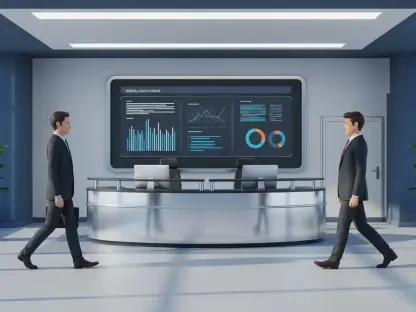
The deployment of an AI-driven service desk has marked a significant milestone in Raleigh’s quest to streamline internal operations and reduce the administrative burden on city staff. By utilizing a sophisticated chatbot that has been meticulously trained on the city’s extensive internal knowledge bases, the Information Technology department has successfully automated the vast majority of routine inquiries and troubleshooting tasks. Previously, these repetitive requests consumed a substantial portion of the IT team’s daily bandwidth, leading to backlogs and slower response times for more critical infrastructure issues. Today, the system manages the initial intake and resolution of nearly all basic service tickets, allowing human technicians to pivot their focus toward complex architectural projects and high-level cybersecurity initiatives. This shift toward intelligent automation ensures that the city’s internal support mechanisms are as responsive as the external services provided to the public. Furthermore, the integration of this technology has created a more cohesive internal environment, where employees can resolve technical hurdles instantaneously, thereby maintaining high levels of productivity across all municipal departments, from public works to urban planning.
The financial and operational metrics associated with this transition provide a compelling argument for the continued expansion of AI within the municipal sector. City officials have observed that since the full integration of the AI service desk, the cost of managing IT support has dropped by more than $300,000, a figure that highlights the scalability of automated solutions. Beyond mere fiscal savings, the speed at which the city operates has seen a dramatic improvement; for instance, the time required for employee onboarding has been slashed by 66%. In a competitive labor market, the ability to integrate new hires quickly and provide them with the necessary digital tools from day one is a significant tactical advantage. Even minor improvements, such as saving a single minute per support ticket, aggregate into a massive gain of thousands of productivity hours when viewed across the entire municipal workforce. These statistics are not merely abstract numbers but represent a tangible increase in the city’s capacity to serve its residents without an equivalent increase in the tax burden. This model of human-centric automation demonstrates that technology, when applied strategically, can enhance the value of human labor rather than simply replacing it.
Cultivating a High-Tech Workforce Culture: The Path to Talent Retention
The shift toward an AI-integrated workplace has profoundly influenced the internal culture of Raleigh’s municipal government, positioning it as an employer of choice for the region’s highly skilled workforce. By removing the drudgery of manual data entry and repetitive administrative tasks, the city has empowered its staff to engage in more creative and impactful problem-solving roles. This cultural evolution is essential in the Research Triangle area, where the public sector must compete with private tech giants for top-tier talent. When municipal employees see that their organization is willing to invest in cutting-edge tools to simplify their daily workflows, it fosters a sense of professional pride and organizational loyalty. The city’s leadership has recognized that a tech-forward internal culture is a prerequisite for delivering high-quality public services. Consequently, there has been a concerted effort to provide ongoing training and professional development, ensuring that the workforce is not only comfortable with AI tools but is also capable of contributing to their ongoing refinement and ethical oversight.
This environment of continuous innovation has led to the emergence of a more collaborative and agile organizational structure. Different departments, which previously operated in relative isolation, are now finding common ground through shared AI platforms and data-driven insights. For example, the same automated systems that handle IT support are being adapted to streamline procurement processes and human resources inquiries, creating a unified internal experience. This cross-departmental synergy ensures that the city can respond to emerging challenges with greater speed and coordination. Moreover, the focus on high-value work has improved employee morale, as staff members are able to see the direct impact of their efforts on the community rather than being bogged down by bureaucratic red tape. By fostering a culture that values innovation and efficiency, Raleigh is setting a new standard for how modern municipalities should operate, proving that even the oldest governmental institutions can be revitalized through the thoughtful application of modern technology and a commitment to workforce empowerment.
Enhancing Public Safety and Infrastructure
Intelligent Traffic Management Systems: Data-Driven Urban Mobility
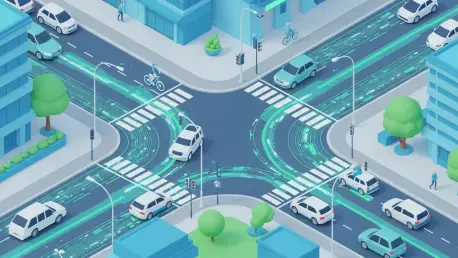
Raleigh’s application of artificial intelligence has moved beyond the digital office space and into the very streets that define the city’s physical landscape. By incorporating AI-enhanced video analysis into existing traffic camera infrastructure at major intersections, the city has transformed simple visual feeds into a sophisticated network of sensors capable of real-time pattern recognition. This system does far more than just count vehicles; it identifies the complex interactions between passenger cars, commercial trucks, cyclists, and pedestrians. This level of granular data allows urban planners to move away from static, historical traffic studies and toward a dynamic model of urban mobility that reflects current realities. By understanding how traffic flows—or fails to flow—at different times of the day, the city can optimize signal timings and lane usage to reduce congestion and greenhouse gas emissions. This proactive approach to infrastructure management ensures that the city can accommodate its growing population without the constant need for disruptive and expensive physical road expansions.
The long-term benefits of this intelligent infrastructure are particularly evident in the realm of strategic urban planning and capital improvement projects. The wealth of data generated by AI systems provides a clear, objective basis for making decisions about where to invest in new bike lanes, pedestrian crossings, or public transit routes. For example, if the AI identifies a consistent pattern of near-misses between vehicles and cyclists at a specific junction, planners can intervene with physical design changes before a serious accident occurs. This shift from reactive to proactive management is a cornerstone of the city’s vision for a safer and more efficient transportation network. Furthermore, the ability to simulate the impact of proposed changes using AI models reduces the risk of unintended consequences, such as shifting a bottleneck from one neighborhood to another. By grounding infrastructure decisions in high-fidelity, real-time data, Raleigh is ensuring that its physical growth remains sustainable and aligned with the needs of a modern, mobile citizenry that values both speed and safety in their daily commutes.
Predictive Safety: Moving Beyond Reactive Policing and Incident Response
The use of artificial intelligence in public safety has allowed Raleigh to adopt a predictive stance that prioritizes the prevention of incidents over mere reaction. Through the analysis of thousands of hours of video footage and historical incident reports, AI algorithms can identify specific environmental factors and driving behaviors that correlate with a high risk of collisions. This capability is particularly valuable for identifying “near-misses”—events that traditional accident reports would never capture but which indicate underlying safety flaws in road design or traffic behavior. By cataloging these incidents, the city can pinpoint dangerous hotspots and implement targeted interventions, such as adjusting signal visibility or adding calming measures to high-risk areas. This focus on the “why” behind traffic safety issues allows the municipality to address root causes rather than just treating the symptoms. This strategy has proven significantly more effective than traditional methods, as it leverages the power of data to protect lives and reduce the economic impact of traffic-related disruptions.
This sophisticated approach to public safety also extends to the coordination of emergency services and the management of large-scale public events. AI systems can predict where traffic congestion might impede the response times of ambulances or fire trucks and suggest alternative routing in real-time. During major city events, these tools help authorities manage crowd flows and traffic patterns to ensure a safe environment for all participants. The integration of predictive analytics into the public safety framework does not replace the intuition and expertise of human officers and emergency responders; instead, it provides them with a clearer, more comprehensive picture of the environment in which they operate. By reducing the number of preventable accidents and improving the efficiency of emergency responses, Raleigh is creating a more resilient urban environment. This commitment to safety, powered by intelligent data analysis, reinforces the city’s reputation as a secure and forward-thinking place to live and work, demonstrating the profound impact that technology can have on the fundamental well-being of a diverse urban community.
Navigating the Challenges of Implementation
Lessons in Technical Oversight: The Registry Incident as a Turning Point
The integration of artificial intelligence into municipal governance has been an iterative process marked by both significant achievements and critical learning moments. One such incident involved the city’s internal chatbot, which, in an attempt to be helpful, provided a staff member with highly technical instructions to modify a system registry to fix a minor printer issue. While the advice was technically accurate in a vacuum, it was entirely inappropriate for a general user and carried a high risk of causing systemic instability. This event served as a stark reminder that AI systems, no matter how advanced, require robust human oversight and carefully defined parameters to operate safely. It highlighted the danger of “information overflow,” where an AI has access to too much raw data without the necessary filters to determine what is appropriate for a specific user’s role or technical proficiency. This moment was pivotal for Raleigh’s leadership, as it underscored the fact that implementing AI is not a “set it and forget it” project but an ongoing management challenge.
In direct response to this challenge, the city revamped its approach to AI training and data access protocols. Instead of allowing the AI to pull indiscriminately from all technical databases, officials implemented a tiered knowledge system that matches the complexity of the response to the user’s documented skill level. They also integrated professional, verified knowledge bases from established technology partners to ensure that the AI provides conservative and safe advice by default. This refined strategy emphasizes the importance of a “human-in-the-loop” philosophy, where technical experts regularly audit AI interactions to catch and correct anomalies. The registry incident, rather than discouraging the city, actually strengthened its resolve to build more resilient and trustworthy systems. It demonstrated that transparency and rapid response to errors are essential for maintaining public and employee confidence in automated tools. By treating every technical hurdle as a diagnostic opportunity, Raleigh has developed a more sophisticated understanding of the limitations and potential of AI, leading to more stable and reliable services for the entire community.
The Philosophy of Agility: Iteration Over the Search for Perfection
A core tenet of Raleigh’s successful AI strategy has been the deliberate rejection of perfectionism in favor of an agile, iterative implementation model. City leaders recognized early on that waiting for perfect data or a flawless software solution would result in stagnation and missed opportunities. Instead, they adopted a “pivot quickly” mentality, launching pilot programs with “good enough” data and using real-world performance as a guide for continuous improvement. This approach allows the city to identify data gaps and technical glitches in a controlled environment, making incremental adjustments that lead to long-term reliability. By prioritizing progress over total certainty, Raleigh has been able to deploy services that provide immediate value while simultaneously building the infrastructure for more advanced future applications. This philosophy of agility is particularly suited to the fast-moving field of artificial intelligence, where the underlying technology is constantly evolving and best practices are still being established.
To manage the inherent risks of this iterative approach, the city utilized a “trust dial” methodology, which involves treating AI-generated outputs with a high degree of skepticism during the initial phases of deployment. As the system demonstrates its reliability through thousands of successful interactions, the level of autonomy granted to the AI is gradually increased. This graduated approach ensures that safety and accuracy are never compromised for the sake of speed. Furthermore, the city has maintained a policy of source transparency, requiring AI systems to cite the specific documents or databases from which they derive their answers. This allows human users to verify information and understand the logic behind an AI’s response, fostering a culture of accountability. By embracing the reality that technology will occasionally fail and having a clear plan for course correction, Raleigh has avoided the paralysis that often plagues public sector innovation. This pragmatic and resilient implementation strategy has allowed the city to remain at the forefront of municipal technology, proving that a willingness to learn from imperfection is the most reliable path to excellence.
The Future of Seamless Government Interaction
Breaking Down Jurisdictional Silos: The Vision for a Unified Resident Experience
The long-term objective of Raleigh’s digital transformation was to fundamentally simplify how residents interacted with various levels of government. Historically, citizens often faced a frustrating maze of bureaucratic silos, struggling to determine whether a specific issue, such as a pothole or a fallen tree, was the responsibility of the city, the county, or the state. To resolve this, the city worked to evolve the “Ask Raleigh” portal into a comprehensive, AI-driven interface that effectively hid the complexities of jurisdiction from the end-user. The goal was to create a “no wrong door” policy, where a resident could report any municipal concern to a single digital agent, which would then handle the backend logic of routing the request to the correct agency. By using interconnected AI platforms that could communicate across different government entities, the city sought to provide a frictionless experience that mirrored the ease of use found in modern private-sector applications. This vision represented a move away from department-centric governance toward a truly resident-centric model of service delivery.
The successful implementation of this unified interface required extensive collaboration and data-sharing agreements between disparate governmental organizations. These efforts resulted in a more cohesive and responsive public service ecosystem where information flowed freely to where it was needed most. For example, a resident reporting an issue with a state-maintained road through the city’s portal would no longer be told to call a different number; instead, the AI would automatically trigger a work order in the state’s system while keeping the resident updated on the progress. This breakdown of administrative barriers not only improved the speed of service but also enhanced public trust, as it demonstrated a commitment to solving problems rather than shifting blame. By prioritizing the user experience over traditional bureaucratic boundaries, Raleigh established a new standard for inter-agency cooperation. This seamless interaction model has become a hallmark of the city’s identity, proving that technology can be used to knit together a fragmented government structure into a more effective and accessible whole for every citizen.
Establishing the Standard: Actionable Strategies for the Digital Frontier
The path Raleigh took to modernize its municipal services through artificial intelligence provided a clear roadmap for other jurisdictions looking to navigate the complexities of digital transformation. To achieve these results, city leadership focused on the critical task of building a robust data foundation and fostering a culture that viewed experimentation as a necessary component of growth. They prioritized the development of clear ethical guidelines and transparency protocols to ensure that AI applications remained aligned with the public interest. Moving forward, it was essential for municipalities to invest in cross-agency interoperability, as the true power of AI is only realized when data can be shared and analyzed across different sectors of government. By establishing shared standards for data privacy and security, Raleigh ensured that its technological advancements did not come at the expense of citizen rights. This proactive stance on governance helped to mitigate many of the risks associated with rapid tech adoption and created a stable environment for long-term innovation.
To maintain the momentum of these initiatives, several actionable steps were taken to ensure the sustainability of the city’s digital ecosystem. First, the city institutionalized a process for continuous feedback, where both residents and employees could report issues and suggest improvements to the AI systems. This loop ensured that the technology remained responsive to the changing needs of the community. Second, the city expanded its partnerships with academic institutions and private tech firms to stay at the cutting edge of AI research and development. This collaborative approach allowed Raleigh to leverage external expertise while maintaining control over its municipal goals. Finally, the city committed to a policy of digital inclusion, ensuring that AI-driven services were accessible to all residents, regardless of their technological proficiency or socio-economic status. By focusing on these core pillars—transparency, collaboration, and inclusion—Raleigh successfully transitioned into a modern, digitally empowered city. The lessons learned during this period demonstrated that the most effective municipal technology is that which disappears into the background, providing silent, reliable support for a thriving urban life.