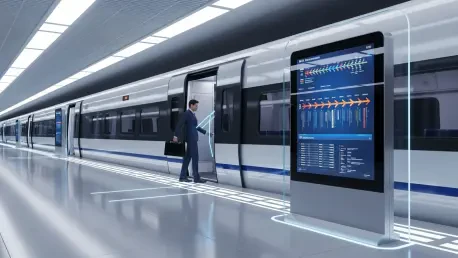

Across the nation’s sprawling metropolitan areas, a quiet revolution is underway as public transportation authorities recognize that their technological foundations are no longer sufficient for the demands of the 21st century. For decades, transit agencies have operated on a patchwork of disparate, proprietary systems managed by a multitude of external vendors, resulting in a fragmented and often frustrating experience for riders. This outdated model, characterized by technological silos and a lack of interoperability, has proven to be inefficient, costly, and incapable of keeping pace with modern passenger expectations. Now, a consensus is forming among industry leaders: to deliver the reliable, seamless, and intuitive service that the public demands, agencies must fundamentally “rewire” their infrastructure from the ground up. This strategic shift involves moving away from vendor-locked solutions and toward unified, open, and controllable platforms, a transformation aimed at reclaiming technological destiny and placing the rider experience at the absolute center of every operational decision.
The Push for Control and Unification
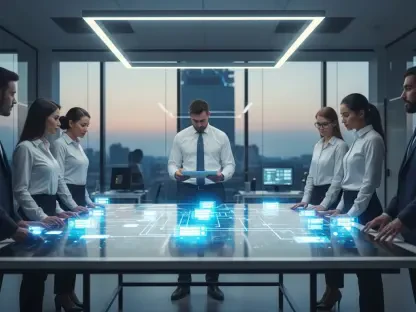
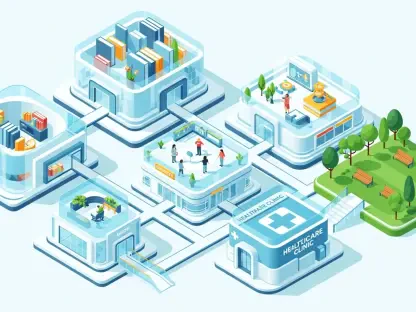
The core of this industry-wide transformation is a strategic pivot away from the deep-seated reliance on third-party contractors and their isolated, proprietary solutions. For too long, agencies have been constrained by vendor product roadmaps and the inability to integrate different systems, leading to operational bottlenecks and a disjointed customer journey. The consensus view, articulated by leaders at both public and private transit organizations, is that gaining direct control over technology is not merely a preference but a strategic necessity for survival and growth. This involves building in-house expertise and demanding open, flexible platforms from suppliers, ensuring that agencies can innovate at their own pace. The goal is to dismantle the technological silos that currently prevent different parts of the system—from fare collection and real-time tracking to station signage and vehicle diagnostics—from communicating with one another. By creating a unified ecosystem where data flows freely, agencies can unlock new efficiencies and provide a level of service that was previously unattainable, moving from a reactive to a proactive operational model.
The challenges posed by legacy systems are vividly illustrated by the Washington Metropolitan Area Transit Authority (WMATA), a large, established agency grappling with decades of accumulated technological fragmentation. A prime example of this issue is the state of digital signage across its vast network. In different stations, signs are controlled by different contractors, run on disparate operating systems, and utilize unique content management systems that cannot communicate with each other. This creates a logistical nightmare, making it exceedingly difficult to push consistent, up-to-date information to riders, particularly during service disruptions or emergencies when clear communication is most critical. This single issue underscores the urgent need for a centralized information delivery platform that can provide a single source of truth to passengers, reducing anxiety and rebuilding trust. Moreover, WMATA faces the critical dilemma of technology obsolescence tied to long procurement cycles. The process of acquiring new rail cars can span a decade, meaning the technology specified at the outset is often severely outdated by the time the vehicles enter service. To combat this, the agency is now fundamentally changing its approach, demanding systems that it can control and update independently, thereby future-proofing its investments and ensuring technological relevance throughout an asset’s long lifespan.
From Fragmented Journeys to Frictionless Experiences
While WMATA’s experience highlights the struggle of modernizing an established system, the journey of Brightline, a newer, privately operated rail service, serves as a cautionary tale about the pitfalls of failing to prioritize integration from the start. The company’s initial technological strategy resulted in a deeply fragmented customer experience, where every touchpoint—from ticketing and parking to station access and train boarding—was managed by an autonomous, proprietary system. This lack of interoperability created a frustratingly disjointed journey for passengers and left employees powerless to resolve issues that spanned multiple systems. The fundamental design did not even align with the basic operational need to verify that passengers had valid tickets before boarding, a critical failure that forced a complete strategic overhaul. This experience underscores a vital lesson for the entire industry: a seamless customer experience cannot be an afterthought bolted onto a collection of disparate technologies. It must be the central design principle around which the entire technological ecosystem is built, ensuring every component works in concert to make the journey as smooth and intuitive as possible.
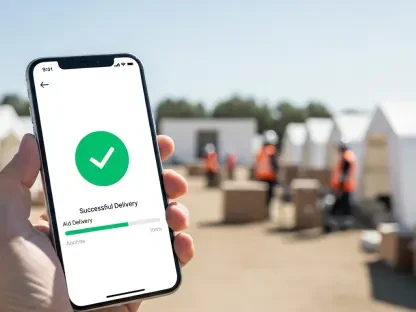
In response to these early missteps, Brightline has embarked on an ambitious mission to create a truly frictionless and seamless travel experience by leveraging a suite of cutting-edge technologies. The company is actively exploring the use of Artificial Intelligence and facial recognition to streamline passenger processing, reduce wait times, and offer a more personalized journey. To enhance safety and reliability, Brightline is also looking to implement LiDAR technology to proactively scan its tracks, identifying potential problem areas for preventative maintenance before they can cause service disruptions. This forward-looking strategy extends to addressing one of the most persistent challenges in the rail industry: safety at grade crossings. By investing in technology and infrastructure to mitigate incidents involving vehicles and pedestrians, Brightline is working to build public trust and reinforce its commitment to passenger well-being. This holistic approach, which combines technological innovation with a foundational focus on safety and reliability, reflects a shared industry goal of creating a transportation environment that passengers can depend on to be safe, secure, and efficient every time they travel.
A New Blueprint for Public Transit
The collective experiences of agencies like WMATA and Brightline provided a clear blueprint for the future of public transportation technology. The old paradigm, defined by a fragmented ecosystem of proprietary, vendor-locked systems, was proven to be inefficient, costly, and ultimately detrimental to the passenger experience. The industry-wide pivot toward unified, open, and controllable infrastructures represented a fundamental shift in philosophy, not just an upgrade of hardware and software. This “rewiring” was about empowering transit agencies to become masters of their own technological domains. It enabled them to adapt to the rapid pace of change, integrate new innovations seamlessly, and, most importantly, deliver the kind of consistent, reliable, and user-friendly service that modern riders not only desired but expected. The success of this technological transformation was ultimately measured not by the sophistication of the systems themselves, but by the tangible improvements they delivered: a transit experience that was faster, easier, safer, and less stressful, allowing it to integrate seamlessly into the fabric of daily life for the millions of people it served.