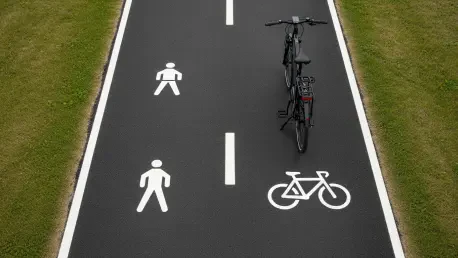

The suburban landscape across Illinois is undergoing a dramatic shift as high-speed electric bicycles and scooters replace traditional foot traffic and manual cycling for younger generations. This surge in popularity has created a legislative vacuum that local authorities have struggled to fill with disjointed ordinances. To address this, Illinois has introduced Bill 3484, a comprehensive regulatory framework designed to standardize safety protocols for electric micromobility devices starting this January. By moving away from a patchwork of city-specific rules, the state aims to provide a clear set of expectations for riders, parents, and law enforcement alike. The primary goal of this legislation is to mitigate the rising risks associated with motorized travel on public paths and roads, particularly for those who lack the formal training required for larger motor vehicles. As these devices become faster and more accessible, the need for a unified legal approach has never been more pressing.
Legislative Framework: Defining Device Classifications and Pediatric Risks
Under the provisions of Bill 3484, electric bicycles and scooters are now categorized through a tiered system that correlates age requirements with the maximum speed and power of the device. Riders must be at least 15 years of age to legally operate Class 1 and Class 2 e-bikes, both of which are capped at a maximum assisted speed of 20 miles per hour. For more powerful Class 3 e-bikes and high-speed electric skateboards that can reach 28 miles per hour, the minimum age is raised to 16 years. This distinction is critical because it separates recreational cycles from high-performance machines that require greater situational awareness. Furthermore, any device exceeding these specifications is now classified as a motor vehicle, necessitating a valid driver’s license and insurance for the operator. This clear boundary prevents high-powered electric motorbikes from infiltrating sidewalks and recreational trails where they pose a significant threat to pedestrians and traditional cyclists.
The implementation of these age mandates is heavily supported by medical professionals who have documented a significant rise in severe injuries among pediatric patients. Pediatric trauma centers, such as Lurie Children’s Hospital, have reported that e-bike-related incidents involving children have surged by 300% since the start of 2026. Unlike the minor abrasions associated with manual bicycles, the injuries resulting from e-bike crashes are often categorized as complex trauma. Doctors are increasingly treating teenagers for severe cranial injuries, permanent dental damage, and multi-fragment bone fractures that resemble the aftermath of high-speed motorcycle accidents. The physics of these collisions explain the severity; the increased momentum of a heavy electric frame combined with higher velocity results in an impact force that the human body, particularly that of a growing child, is not built to withstand. By imposing age limits, the state hopes to reduce the frequency of these life-altering medical emergencies.
Safety Strategy: Analyzing Demographic Vulnerabilities and Implementation
Statistical evidence highlights a specific demographic that is particularly susceptible to the dangers of unregulated micromobility use on busy public roads. Data indicates that teenage boys between the ages of 13 and 18 represent approximately 80% of those requiring emergency medical intervention following an e-bike crash. This high-risk group often lacks the necessary traffic experience and cognitive maturity to accurately predict the movements of heavy motorists or navigate complex intersections safely. Beyond judgment, there is the physical reality of the equipment itself; many electric bicycles weigh significantly more than traditional bikes, sometimes exceeding 70 pounds. This added mass makes the devices much harder to maneuver or stop suddenly, especially for smaller riders who may not possess the physical strength to maintain control during a wobble or skid. The new law acknowledges that a child’s ability to pedal a bike does not automatically translate to the skills needed to manage a motorized vehicle in traffic.
The adoption of Bill 3484 established a necessary baseline for safety, yet the responsibility for long-term protection remained a collaborative effort between the state and local communities. While the statewide law provided the primary structure, local park and forest preserve districts retained the authority to manage specific trails and set their own speed limits based on pedestrian density. This dual approach allowed for regional flexibility while ensuring that the core age and classification rules were respected across all jurisdictions. Ultimately, the most effective preventative measures involved parents who looked beyond the letter of the law to assess their child’s unique physical and mental readiness for motorized travel. Safety advocates argued that manual bicycles served as the best training ground for developing the coordination required for later transitions to electric devices. By prioritizing education and gradual skill building, Illinois moved toward a future where technology and safety coexisted on every public roadway.