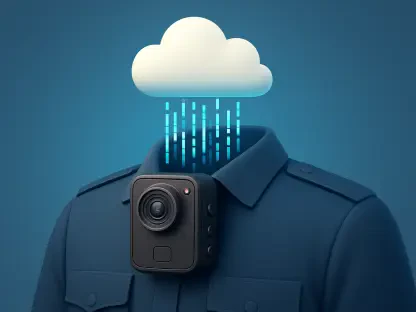

The mandatory ban on smart glasses and wearable electronics across government, Catholic, and independent schools marks a significant expansion of existing mobile phone policies. As educational landscapes shift toward digitized environments, administrators are increasingly concerned about the potential for technological distractions to disrupt the primary mission of classroom learning. The Victorian Government recently announced that these restrictions will take full effect by 2027, targeting devices capable of recording or transmitting data discreetly. This decision is not merely about student behavior; in government schools, the mandate extends to adults, including teachers and volunteers, during school hours and sanctioned events like camps. By removing these peripherals from the daily routine, officials hope to eliminate the risk of covert filming and ensure that the focus remains entirely on pedagogical engagement. The move reflects a broader societal push to reclaim physical spaces from constant digital surveillance, prioritizing a safe and respectful atmosphere for all.
Navigating the Intersection: Technology and Accessibility
The Critical Role of Assistive Devices in Education
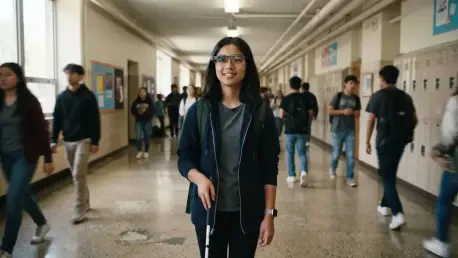
Advocacy groups like Vision Australia have expressed profound concern regarding how these blanket prohibitions might inadvertently marginalize vulnerable populations within the student body. For students who are blind or possess low vision, smart glasses represent much more than a modern convenience or a trendy accessory; they are essential assistive technologies that facilitate environmental navigation and information access. These devices often utilize advanced optical character recognition and spatial mapping to help students read textbooks, identify classmates, and move safely through crowded hallways. Critics of the new policy argue that treating these vital accessibility tools as equivalent to recreational smart glasses or smartphones fundamentally overlooks their transformative impact on educational equity. Without these aids, students with visual impairments face significant barriers to participating in classroom activities alongside their peers, potentially reversing years of progress in inclusive education initiatives and creating a sense of isolation.
Challenges: Standardized Policy and Individual Exemptions
While the government has indicated that exemptions will be granted as reasonable adjustments for students with documented disabilities, the implementation of such a process introduces significant bureaucratic hurdles. Advocacy leaders maintain that forcing families to navigate complex application pathways to secure permission for necessary equipment places an undue burden on those already facing systemic challenges. There is a growing sentiment that the policy was developed without adequate consultation with the disability community, leading to a framework that prioritizes administrative uniformity over individual necessity. This lack of collaborative design means that the nuance between a recording device used for social media and a navigation tool used for basic mobility is lost in the legislative language. By categorizing essential medical and accessibility hardware under the same umbrella as leisure electronics, the state risks creating an environment where students feel stigmatized for needing technology to function and learn.
Privacy Trends: The Broader Regulatory Landscape
Societal Shifts Toward Digital Privacy Regulation
The move to restrict wearable electronics in schools does not exist in a vacuum but is part of a broader regulatory trend sweeping across Victoria to address modern privacy concerns. Several local councils have already initiated similar prohibitions in public spaces such as municipal swimming pools, playgrounds, and childcare centers to mitigate the risk of unauthorized image capture. These measures are often supported by residents who feel increasingly vulnerable to the ubiquitous presence of hidden cameras integrated into everyday eyewear. Government officials frequently cite the success of the 2020 mobile phone ban as the foundational evidence for these expanded rules, noting that previous restrictions led to a marked improvement in student socialization and a reduction in cyberbullying incidents. This historical precedent provides the political momentum needed to push for more comprehensive bans, under the assumption that a distraction-free environment is the optimal setting for both social development and academic achievement.
Strategies: Balancing Safety and Student Inclusion
Stakeholders recognized that the ultimate success of these bans depended on a more sophisticated understanding of how technology served different student needs. Instead of relying on a rigid, one-size-fits-all prohibition, school boards investigated specialized training for administrators to distinguish between recreational gadgets and vital medical aids. This proactive approach ensured that the application process for technology exemptions became a collaborative dialogue rather than a hurdle, allowing for swift approvals that protected student dignity. Furthermore, policymakers established a continuous feedback loop with accessibility experts to refine the list of approved devices as new innovations emerged between 2026 and 2028. By prioritizing clear communication and tailored support, the educational community successfully maintained high standards for privacy without compromising the fundamental rights of students with disabilities. These actions provided a blueprint for other jurisdictions seeking to regulate wearables while upholding their legal and moral obligations to inclusion.