
By coupling wind energy with AI-driven dispatching, developers can optimize power storage and release to ensure reliability even when the wind is not blowing. The global energy landscape is currently undergoing a seismic shift, with the wind power sector emerging as the definitive leader and primary catalyst for the international green transition. As the industry reaches late 2026, it has transcended its initial phase of rapid, quantity-driven expansion to enter a period of sophisticated, high-quality development. This transition signifies a move away from simply manufacturing and installing equipment toward a holistic approach focused on creating resilient energy ecosystems. These ecosystems prioritize grid stability, long-term asset profitability, and the seamless integration of advanced technologies like cloud computing and real-time sensor networks. By leveraging its dominant scale and a comprehensive renewable energy supply chain, the region is no longer merely an equipment provider; it has become the architect of complex systems that are redefining how renewable energy is generated, stored, and consumed on a global scale. This shift toward system architecture ensures that the variability of nature is no longer a deterrent to the massive adoption of clean electricity across industrial and residential grids alike.
Achieving Record Growth and Operational Scale
Analyzing Recent Capacity Milestones
The sheer magnitude of the contribution to the wind sector is best illustrated by recent performance metrics showing a staggering surge in domestic installations that have outpaced international expectations. In 2025, the local market accounted for 120 gigawatts of the 165 gigawatts added globally, and this momentum has continued throughout 2026 with over 53 gigawatts added in the first eight months alone. This consistent growth trajectory is not merely a product of favorable subsidies but is increasingly driven by the inherent competitiveness of wind power compared to traditional thermal generation. The ability to deploy massive arrays of turbines across diverse terrains, from the Gobi Desert to the eastern coastal plains, has created a level of operational expertise that is unmatched anywhere else in the world. As these projects come online, they are being integrated into a national grid that is becoming increasingly adept at handling high levels of variable renewable energy through enhanced forecasting and demand-side management.
By August 2026, the cumulative wind capacity reached a landmark 690 gigawatts, representing a year-on-year increase of 16.6 percent and signaling a move toward a more sustainable and electrified economy. This expansion is supported by a robust domestic supply chain that has successfully mitigated inflationary pressures and logistics bottlenecks that have hampered renewable energy projects in other parts of the world. The maturity of the local wind sector is also reflected in the increasing focus on repowering older wind farms with newer, more efficient technology, ensuring that the total land area used for energy production yields the maximum possible kilowatt hours. This strategic approach to capacity expansion ensures that growth is not just horizontal, in terms of adding more turbines, but vertical, in terms of increasing the productivity and reliability of every megawatt installed. The integration of these vast resources is a cornerstone of the broader strategy to reach peak carbon emissions well ahead of schedule while providing the energy security necessary for continued industrial development.
Dominating the Global Offshore Market
A significant portion of this growth is attributed to the offshore sector, which is now nearing 50 gigawatts of total capacity and solidifying the nation’s position as the world’s most prominent offshore wind market. The rapid development of offshore wind is particularly critical because it places generation centers close to high-demand industrial hubs along the coast, reducing the need for long-distance, ultra-high-voltage transmission lines. Advances in installation vessels and maritime logistics have allowed for the rapid deployment of massive turbines in increasingly challenging environments. These offshore installations are now operating with capacity factors that rival traditional power plants, providing a steady and predictable stream of clean energy to some of the most densely populated regions. The shift toward the sea represents a new frontier for renewable energy, where the consistency of oceanic winds provides a reliable baseload-like quality that is highly valued by grid operators and industrial consumers seeking steady green power.
The scale of these offshore operations is not just a matter of national development but a fundamental shift that alleviates pressure on global supply chains and establishes a new benchmark for project costs. By driving down the levelized cost of energy for offshore wind worldwide, these domestic expansions serve as a stabilizing force for the international renewable energy economy. Furthermore, the experience gained in shallow-water projects is now being applied to deepwater floating technologies, which are essential for tapping into the vast energy potential of deeper maritime zones where fixed foundations are not feasible. This technological progression ensures that the offshore sector will continue to grow long after the most accessible coastal sites have been utilized. The maritime industry is also seeing synergy with other sectors, such as green hydrogen production and aquaculture, creating multi-use offshore hubs that maximize the economic value of the marine environment while contributing to the global fight against climate change.
Engineering Breakthroughs and Strategic System Design
Strategically managing assets for long-term performance and value
A key theme in the sector’s maturity is the strategic pivot by leading firms from being basic hardware vendors to becoming providers of integrated energy solutions that manage the entire project life cycle. Industry leaders are now focusing on the “firmness” and reliability of power, moving away from the intermittent nature that once characterized wind energy and toward a model where wind farms function as virtual power plants. This shift involves a focus on high-quality development, ensuring that wind farms are not just large but also smart and profitable over their entire operational lives. By integrating advanced sensors and digital twins, operators can now predict maintenance needs before failures occur, drastically reducing downtime and extending the productive life of the hardware. This transition toward operational excellence is essential for maintaining the financial health of the sector as it moves away from government support and into the competitive electricity market.
One significant advancement in this area is the strategic extension of the operational lifespan of turbines from the traditional 20-year cycle to a more durable 25-year cycle. This change, while seemingly modest, has profound economic implications, as it allows for the amortization of initial capital costs over a longer period and increases total lifecycle profits by more than 56 percent. Simultaneously, this durability helps reduce the levelized cost of energy by 6 to 7 percent, making wind power even more competitive against fossil fuels. This move toward long-term asset management demonstrates a mature understanding of financial sustainability in the renewable sector, where the focus is no longer just on the initial installation but on the sustained performance of the asset. Developers are now prioritizing turbines that can withstand extreme weather events and varying environmental conditions, ensuring that the infrastructure remains a reliable part of the national energy mix for decades to come.
Reaching New Technological Heights
The current leadership in the sector is underpinned by continuous technological innovation, including the successful deployment of 20-megawatt fixed offshore turbines that were unthinkable only a few years ago. These massive machines, featuring rotors with diameters that span multiple football fields, are capable of generating enough electricity to power tens of thousands of homes with a single unit. The engineering required to manufacture and install such large components has pushed the boundaries of materials science and mechanical engineering, leading to the development of lighter, stronger carbon-fiber blades and more resilient drivetrains. Furthermore, the use of steel towers reaching heights of 204 meters allows turbines to access higher, more consistent wind speeds that are not available to shorter structures. This increase in physical scale translates directly into higher efficiency and lower costs, proving that the move toward “bigger is better” in wind technology still has significant room for growth.
Beyond physical size, the industry has made significant strides in deep-water floating technologies, allowing for energy capture in areas previously considered unreachable due to water depth. These floating platforms are designed to remain stable even in typhoon conditions, opening up vast new areas of the ocean for clean energy production. These breakthroughs in large-capacity turbines and elongated flexible blades are essential for maximizing efficiency across diverse geographical locations, from the turbulent waters of the South China Sea to the gusty plains of the Northwest. The focus on flexible and smart blade designs also allows turbines to adjust to changing wind conditions in real-time, maximizing energy capture while minimizing structural stress. This combination of massive scale and fine-tuned control is what sets the current generation of wind technology apart from its predecessors, turning wind turbines into highly sophisticated machines that serve as the backbone of the modern energy grid.
Integrating Wind Power with the Digital Economy
Powering Artificial Intelligence with Green Energy
An emerging trend is the convergence of wind energy and the digital economy, specifically addressing the massive and growing energy requirements of artificial intelligence and large-scale data centers. As AI models become more complex and require more computing power, the carbon footprint of the digital world has become a major concern for both governments and tech companies. In regions like Inner Mongolia, developers are pioneering integrated projects where data centers are built in tandem with massive wind farms to ensure a direct supply of carbon-neutral power. This model allows for the direct use of local green power, effectively bypassing grid congestion and providing a blueprint for how heavy digital loads can be powered sustainably. By placing energy consumers directly next to energy producers, these projects reduce transmission losses and lower the overall cost of providing high-performance computing services.
This sustainable approach to AI computing hubs serves as a critical solution for the digital industry’s energy trilemma of cost, reliability, and sustainability. These hubs increasingly use advanced energy management systems that coordinate computing loads with the availability of wind energy, performing non-urgent tasks when wind production is high and drawing on stored energy or grid power during lulls. This synergy not only helps the tech industry meet its zero-carbon goals but also provides stable and predictable demand for the wind sector, encouraging further investment in renewable capacity. As the digital economy continues to expand, the demand for green electricity from data centers is expected to become a primary driver of wind energy growth. This symbiotic relationship between the wind and digital sectors is creating a new industrial paradigm where the flow of power and the flow of data are managed in a single, integrated ecosystem that maximizes both economic and environmental value.
Navigating Policy and Five-Year Plan Targets
The strategic direction of the industry is heavily influenced by ambitious climate goals outlined in the 15th Five-Year Plan, which covers the period from 2026 to 2030. This comprehensive policy framework sets a target for total renewable capacity to reach an unprecedented 3.5 terawatts by the end of the decade, with wind and solar expected to produce over 4 trillion kilowatt-hours annually. To achieve these numbers, the government is facilitating the development of large-scale renewable energy bases in the country’s interior while simultaneously promoting distributed wind projects in more populated areas. The policy environment is designed to provide long-term certainty for investors and developers, ensuring that the supply chain can scale up to meet these massive requirements. This centralized planning approach allows for the coordinated development of generation, transmission, and storage, avoiding the piecemeal growth that has hampered energy transitions in other regions.
Crucially, the current policy mandates a transition toward dispatchable power, ensuring that renewables move from a supplemental source to a primary energy provider capable of supporting the grid during peak demand. By 2030, wind power is expected to reach an 11 percent firm capacity credit, meaning it must be reliable enough to contribute significantly to the grid even when weather conditions are not ideal. During the peak summer and winter months, the combined contribution of wind and solar is projected to exceed 20 percent of the total power supply, marking a significant milestone in the decarbonization of the national grid. This transition requires not just more turbines but also more intelligence within the grid, including advanced weather forecasting and AI-driven dispatching systems. The policy also encourages the development of a “green power” trading market, allowing companies to purchase renewable energy certificates to offset their emissions and providing a new revenue stream for wind farm operators that reflects the environmental value of their electricity.
Driving Sustainable Growth by Fixing Operational Bottlenecks
Addressing Grid Absorption and Market Challenges
Despite the optimistic growth trajectories, the sector must contend with grid absorption limitations and the existing infrastructure’s ability to integrate and distribute variable renewable energy. In many regions, the rapid build-out of wind farms has outpaced the development of the transmission lines needed to transport that power to coastal cities, leading to instances where turbines must be shut down because the grid cannot handle the output. Currently, energy security still relies heavily on coal for baseload support, which can result in coal being given dispatch priority over renewables during periods of low demand or grid congestion. To address this, significant investments are being made in ultra-high voltage (UHV) transmission technology, which can move vast amounts of electricity over thousands of miles with minimal loss. These “electricity highways” are essential for connecting the wind-rich regions of the West with the energy-hungry provinces of the East.
Furthermore, as wind projects increasingly participate in competitive electricity spot markets, developers have faced downward pressure on financial yields, necessitating a move toward more complex business models. The fluctuation of electricity prices based on real-time supply and demand can make it difficult for standalone wind farms to remain profitable, especially when wind production is high across an entire region. This shift has created a commercial necessity for integrated hybrid energy systems that combine wind with solar, hydropower, or storage to provide a more stable and valuable energy product. By offering a “packaged” energy solution that is less volatile than standalone wind, developers can secure better pricing and more stable long-term contracts. This move toward energy bundling is a sign of a maturing market where the value of electricity is determined not just by its carbon-free nature, but by its reliability and its ability to meet the specific needs of industrial consumers.
Implementing Storage and Power-to-X Solutions
To address the inherent volatility of wind energy, the industry is turning to advanced energy storage and Power-to-X solutions, which convert excess electricity into other energy carriers. Utility-scale battery systems are being deployed alongside wind farms at an accelerating pace, providing the short-term storage needed to smooth out fluctuations in output and provide frequency regulation for the grid. These storage systems are increasingly being managed by AI software that optimizes charging and discharging cycles to maximize revenue and minimize battery degradation. Beyond batteries, the concept of Power-to-X involves using surplus wind power to produce green hydrogen through electrolysis, or even green ammonia and methanol. These chemicals serve as clean fuels for heavy shipping and industrial processes that are difficult to electrify, effectively extending the reach of wind energy far beyond the electrical grid and into the broader industrial economy.
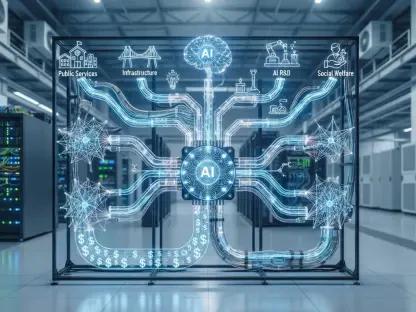
The integration of wind-storage systems at both the software and hardware levels has already shown significant potential for cost reduction and revenue enhancement. By sharing critical infrastructure like transformers and grid connections, integrated projects can reduce construction costs by approximately 10 percent compared to building storage and generation separately. More importantly, AI-driven dispatching can boost operational revenue by over 20 percent by ensuring that power is stored when prices are low and sold to the grid when demand and prices are at their peak. This intelligent approach to energy management turns a variable resource into a high-value, dispatchable asset that can compete directly with traditional fossil fuel plants. As storage costs continue to decline and the demand for green hydrogen grows, these integrated systems will become the standard for the wind industry, providing a scalable and flexible solution for the global energy transition.
Strategic Evolution Toward Global Decarbonization
The analysis of the wind power sector through 2026 revealed a narrative of transition from simple capacity expansion to the creation of complex, intelligent energy systems. By integrating advanced engineering with artificial intelligence and storage solutions, the industry moved beyond the limitations of intermittency to provide a reliable and competitive alternative to traditional power sources. This evolution was not limited to domestic progress, as the export of holistic energy ecosystems positioned the nation as a central figure in the global effort to achieve net-zero targets. The strategic focus on life-cycle asset management and the development of the 15th Five-Year Plan targets provided a clear roadmap for how renewable energy could sustain industrial growth while meeting environmental mandates. This period established that the future of energy would be defined not just by the generation of green electrons, but by the sophisticated management and conversion of those electrons into diverse forms of economic value. Progress in the offshore and digital integration sectors further demonstrated that wind energy had become a foundational pillar of the modern industrial world, capable of powering everything from heavy manufacturing to the most advanced AI computing hubs.