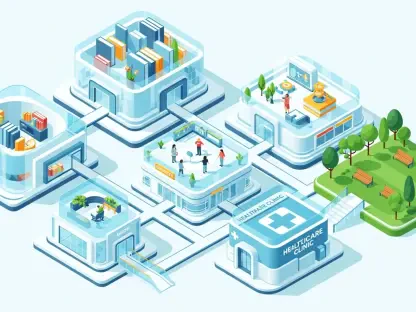

Imagine a rural community where a patient with a chronic condition can consult a specialist hundreds of miles away without leaving home, or a small clinic accessing critical medical records in real-time to save a life during an emergency. This isn’t a distant dream but a reality made possible by high-speed broadband, a technology reshaping healthcare delivery. In underserved and rural areas especially, the integration of robust internet connectivity is proving to be a game-changer, enabling innovations that bridge gaps in access and quality of care. This review delves into the transformative power of broadband in the medical sector, exploring its evolution, key features, real-world impact, and the road ahead for this vital technology.
Understanding High-Speed Broadband in Healthcare
High-speed broadband technology, at its core, revolves around rapid data transmission and reliable connectivity infrastructure, often through fiber-optic cables or advanced wireless networks. In healthcare, this capability translates to seamless communication between patients and providers, as well as the efficient handling of large data sets like medical imaging or electronic health records. The significance of broadband cannot be overstated in a world increasingly reliant on digital solutions, where the ability to transmit information instantly can mean the difference between timely intervention and delayed care.
Moreover, broadband’s role extends beyond mere connectivity to becoming a backbone for groundbreaking medical advancements. Telemedicine, for instance, hinges on stable, high-bandwidth connections to facilitate video consultations that rival in-person visits in effectiveness. Similarly, digital health platforms depend on this technology to store and retrieve patient data securely across vast networks. As healthcare systems grapple with rising demand and geographic barriers, broadband emerges as a critical tool to ensure equity and efficiency in service delivery.
Key Features and Components of Broadband in Healthcare
Enabling Telehealth Services
One of the most visible contributions of high-speed broadband in healthcare lies in its enablement of telehealth services. By supporting real-time video consultations, broadband allows patients in remote areas to connect with specialists without the burden of long travel. This capability not only saves time but also ensures that urgent medical advice is just a click away, a lifeline for those in isolated regions.
Beyond convenience, the performance of broadband in maintaining stable connections during these virtual interactions is crucial. High bandwidth and low latency mean that video feeds don’t lag or drop, fostering trust in digital care among patients and providers alike. The result is a significant expansion of access, particularly for mental health services or follow-up care, where consistent communication can drastically improve outcomes.
Supporting Remote Monitoring and Data Management
Another pivotal feature of broadband in healthcare is its support for remote patient monitoring and electronic health record systems. Devices that track vital signs, such as heart rate or blood glucose levels, rely on fast, secure internet to transmit data to healthcare teams in real-time. This allows for proactive management of chronic conditions, reducing the need for frequent hospital visits.
Additionally, the technical robustness of broadband ensures data security through encrypted transmissions, protecting sensitive patient information from breaches. Performance metrics, such as upload and download speeds, are vital here, as delays in data sharing could hinder emergency responses. The real-world benefit is evident in improved disease management, where timely data empowers clinicians to adjust treatments swiftly and effectively.
Recent Advancements in Broadband for Healthcare
The landscape of broadband technology in healthcare has seen remarkable progress in recent times, driven by both innovation and policy. Federal initiatives, such as the Rural Health Transformation Program by the Centers for Medicare and Medicaid Services, have spotlighted connectivity as a pillar of rural healthcare redesign. Starting from this year, efforts to expand infrastructure are complemented by programs aimed at ensuring digital equity across communities.
In parallel, industry trends reflect a surge in investments toward rural connectivity, with private entities partnering with local governments to lay down fiber networks. Healthcare strategies increasingly integrate digital tools, recognizing that technology isn’t just an add-on but a core component of modern care delivery. These shifts signal a broader acceptance of broadband’s indispensable role in the sector.
Emerging policies also focus on digital literacy, acknowledging that infrastructure alone isn’t enough. Statewide grants for planning digital equity, active across all states and territories, are fostering community engagement to align health outcomes with connectivity access. This holistic approach marks a turning point, promising to address systemic gaps that have long hindered rural healthcare.
Real-World Impact in Healthcare Settings
In practical settings, high-speed broadband is already making waves, particularly in rural communities. Arizona’s telehealth initiative stands out as a model, connecting isolated patients with urban specialists through robust internet networks. Such programs demonstrate how technology can dissolve geographic barriers, bringing expert care to the doorstep of those who need it most.
Similarly, in South Texas, Methodist Healthcare Ministries has invested millions in grants to boost community health through digital equity. Their efforts highlight the power of targeted funding to equip clinics and patients with necessary tools and connectivity. These examples showcase broadband’s ability to turn theoretical benefits into tangible health improvements for underserved populations.
A unique aspect of these deployments is the role of digital health navigators—trusted community members who help bridge technology gaps. By assisting rural patients in navigating online portals or telehealth apps, these navigators ensure that broadband’s potential isn’t lost to unfamiliarity. This human element underscores that technology adoption in healthcare requires both infrastructure and education to truly succeed.
Challenges and Barriers to Broadband Adoption
Despite its promise, high-speed broadband in healthcare faces significant hurdles. Inconsistent connectivity in rural areas remains a technical barrier, with many regions lacking the infrastructure for reliable internet. This digital divide often leaves entire communities cut off from virtual care options, exacerbating existing disparities in health access.
Regulatory and market challenges further complicate the picture. Affordability of services and devices is a persistent issue, as many rural households struggle to justify the cost of high-speed plans. Additionally, complex regulations can slow down the rollout of new networks, delaying progress in areas that need it most.
However, efforts to overcome these obstacles are gaining traction. State-level coordination between broadband offices and health departments is fostering innovative solutions, while funding for digital literacy programs aims to empower users. These initiatives, though still evolving, offer hope that the barriers to adoption can be systematically dismantled with sustained commitment.
Future Potential of Broadband in Healthcare
Looking ahead, the future of high-speed broadband in healthcare appears brimming with possibility. Emerging connectivity technologies, such as next-generation wireless networks, could further enhance data speeds and coverage, even in the most remote areas. Policy reforms under discussion from this year to 2027 aim to prioritize universal access, potentially revolutionizing how rural care is delivered.
The long-term impact of these advancements could be profound, particularly in addressing health disparities. With better connectivity, rural patients might access preventive care more consistently, leading to improved outcomes and reduced healthcare costs. The vision is one of a system where geography no longer dictates the quality of medical attention received.
Moreover, integrating broadband deeper into healthcare strategies could spur innovations yet unimagined. From AI-driven diagnostics to virtual reality therapy sessions, the possibilities expand with every leap in connectivity. The challenge will be ensuring that these advancements are equitably distributed, avoiding a future where only some reap the benefits.
Final Thoughts
Reflecting on this exploration, it became clear that high-speed broadband had carved a pivotal niche in modern healthcare, especially through its contributions to telehealth and remote monitoring. Its capacity to connect the disconnected stood out as a proven strength, transforming lives in rural landscapes. Yet, the journey revealed persistent challenges that had demanded urgent attention.
Moving forward, actionable steps emerged as the focus. Stakeholders needed to prioritize funding for both infrastructure and digital literacy programs to ensure no community was left behind. Collaboration between state agencies and private sectors had to intensify, crafting integrated plans that treated connectivity as a health essential. The path to equitable healthcare through broadband was paved with opportunity, provided the commitment to bridge every digital divide remained steadfast.