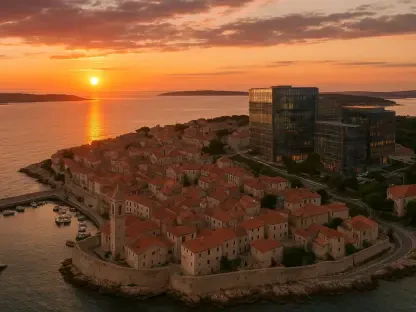

The transformation of mid-sized Mediterranean cities often goes unnoticed compared to the massive overhauls seen in global metropolises, yet the city of Reus is currently executing a blueprint that challenges the traditional dependency on centralized megacities. By prioritizing pedestrian-centric infrastructure and integrating high-tech digital twins into municipal management, this urban center is effectively proving that scale is not a prerequisite for innovation. This shift represents a broader movement where historical heritage and cutting-edge sustainability are no longer viewed as opposing forces but as complementary pillars of a modern urban identity. The local administration has leveraged decentralized energy grids and smart traffic management systems to reduce carbon emissions while simultaneously enhancing the lived experience for residents. This strategic evolution serves as a critical case study for urban planners globally who are seeking to balance rapid modernization with the preservation of cultural integrity in an increasingly complex and interconnected economic landscape.
Architectural Heritage and Digital Synergy
Modernist Preservation: High-Tech Sensors in Historic Contexts
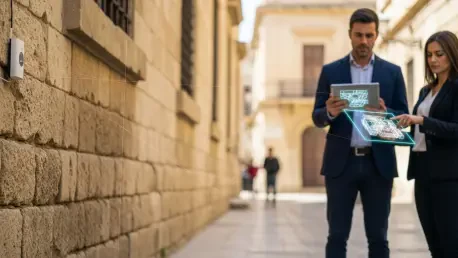
While the digital infrastructure provides the backbone for modern operations, the preservation of the city’s rich modernist heritage remains a central priority for local developers and conservationists alike. Reus is famous for its concentration of buildings designed by Lluís Domènech i Montaner, and maintaining these structures in the modern era requires a delicate balance of traditional craftsmanship and advanced materials science. Innovative techniques, such as non-invasive 3D laser scanning and thermal imaging, are now utilized to monitor the structural integrity of historical landmarks without causing any physical disruption to the original masonry. These technologies allow for the detection of microscopic fissures or moisture intrusion long before they become visible to the naked eye, facilitating proactive maintenance that extends the life of these architectural treasures. This commitment to preservation ensures that the city retains its distinct aesthetic character even as it transitions into a high-tech future.
Virtual Governance: Utilizing Digital Twins for Urban Planning
Beyond individual sensors, the city has developed a sophisticated digital twin—a virtual replica of the urban environment—that allows planners to simulate the effects of various policy changes before they are implemented. This technology enables the administration to model how a new bike lane might affect traffic flow or how a heatwave might impact energy demand in specific neighborhoods. By moving away from reactive governance and toward predictive modeling, Reus is setting a new standard for how data-driven decisions can mitigate the stresses of urban densification. The transparency of this system also fosters a unique sense of civic engagement, as residents can access localized data dashboards to understand the environmental health of their own streets. This democratization of information empowers citizens to advocate for specific improvements, transforming the relationship between the governing body and the community into a collaborative partnership focused on sustainable growth.
Sustainable Connectivity and Resource Management
Pedestrianization Strategies: Reclaiming Space for the Community
One of the most radical changes in the urban landscape has been the systematic reclamation of public space from private automobiles, favoring a network of interconnected pedestrian zones and cycling paths. This transition toward a walkable city model is not merely an aesthetic choice but a fundamental restructuring of how residents interact with their environment and with each other. By restricting vehicular access in the urban core, the city has effectively lowered air pollution and noise levels, creating a more tranquil and inviting atmosphere for social interaction. The repurposing of former parking lots into pocket parks and community gardens has further enhanced the urban canopy, providing essential shade and cooling in the face of rising summer temperatures. This focus on human-scale design encourages active transportation, which has direct benefits for public health and reduces the overall carbon footprint of the community. The success of these initiatives demonstrates that prioritizing human mobility over car-centric logistics is viable.
Actionable Insights: Strategic Frameworks for Future Growth
To ensure continued progress, urban administrators should focus on scaling these modular solutions to include neighboring districts while maintaining the specific cultural nuances of each area. The experience in Reus showed that the most successful technological integrations were those that addressed the immediate concerns of the populace rather than chasing trends for their own sake. Moving forward, the development of cross-municipal data-sharing agreements could further optimize regional logistics and resource management, creating a more integrated and efficient network of smart cities. Stakeholders were encouraged to invest in training programs that bridge the gap between traditional urban planning and modern data science to build the necessary human capital for future challenges. This proactive stance allowed the city to remain competitive in a rapidly evolving global market while protecting its unique identity. By prioritizing human-centric design and environmental responsibility, the municipality established a framework that others can follow to achieve a balanced and prosperous urban future.