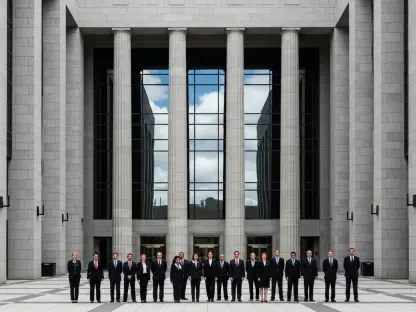

The landscape of the Keystone State is undergoing a profound transformation as massive data processing hubs move from the digital periphery into the heart of local communities. This surge in construction is driven by the global appetite for artificial intelligence, yet it brings significant pressure on Pennsylvania’s power grid and water supplies. Recently, the House Energy Committee approved two critical bills designed to establish a new era of oversight for these industrial giants. This legislative movement highlights a shifting priority toward managing the physical footprints of the digital economy.
The objective of this analysis is to examine the legislative response to this industrial boom, specifically focusing on transparency and land use. Readers can expect to learn how House Bills 2150 and 2151 aim to balance the state’s economic ambitions with the practical needs of residents. By exploring the nuances of these proposals, the discussion clarifies why data centers have become a focal point of intense political and social debate. The scope of the content covers environmental reporting, municipal zoning tools, and the broader political divide over industry-specific regulations.
Key Questions or Key Topics Section
What Are the Primary Goals of the Newly Proposed Environmental Reporting Requirements?
House Bill 2150 seeks to lift the veil on the massive resource consumption inherent in modern data center operations. Under this framework, operators must provide the Department of Environmental Protection with an annual breakdown of their energy and water usage. This move ensures that the state possesses the data necessary to evaluate how these facilities impact the long-term stability of the regional power grid and local watersheds. By creating a database of consumption, officials can make more informed decisions regarding future infrastructure investments.
By mandating disclosure of efficiency measures, the legislation encourages companies to adopt more sustainable practices without imposing rigid operational caps. Proponents argue that such transparency is a prerequisite for informed governance, allowing officials to defend the interests of the public. However, the bill specifically excludes smaller telecommunications footprints to ensure that local businesses are not burdened by regulations intended for large-scale industrial players. This targeted approach focuses on the facilities that pose the greatest risk to resource availability.
How Does the State Intend to Assist Local Municipalities With Land Use and Zoning?
The second legislative pillar, House Bill 2151, focuses on the logistical challenges of integrating data centers into diverse local landscapes. It directs the Department of Community and Economic Development to create a model zoning ordinance that local governments can use as a template. This resource is intended to simplify the technical hurdles municipal leaders face when drafting regulations for noise control, building size, and infrastructure connectivity. It provides a standardized baseline for communities that may lack the technical expertise to regulate high-tech industries.
Although the state describes this model as an optional tool, it has sparked a debate about the potential for legal complications. Some critics worry that even a non-binding state standard could provide a legal foothold for developers to challenge stricter local rules in court. This tension highlights a difficult balancing act: providing expert guidance to small towns while preserving their fundamental right to determine the character of their own neighborhoods. The goal is to empower local officials, yet the risk of unintended litigation remains a primary concern for legal experts.
Why Is There Significant Political and Public Pushback Against These Legislative Measures?
The opposition to these bills is rooted in a fundamental disagreement over how to foster a competitive economy. Republican lawmakers argue that creating industry-specific reporting requirements could discourage investment and signal that Pennsylvania is a hostile environment for the tech sector. They contend that the involvement of environmental regulators adds unnecessary layers of bureaucracy that could drive the AI economy toward neighboring states with more lenient oversight. This perspective suggests that the market, rather than the government, should dictate industrial growth.
Public sentiment adds another layer of complexity, as a majority of Pennsylvanians across the political spectrum express wariness about data centers. Recent polling suggests that roughly 68 percent of voters are concerned about the environmental and aesthetic impacts of these facilities in their direct vicinity. This widespread skepticism creates a unique political climate where lawmakers must weigh the promise of high-tech jobs against a clear lack of social license from the communities they serve. The debate is no longer just about economics; it is about the long-term vision for the state’s land and resources.
Summary or Recap
The current legislative efforts represent an attempt to modernize state law in response to a singular technological shift. The primary focus remains on gathering data and empowering local officials, though these goals are frequently at odds with the desire for rapid industrial growth. Transparency is being positioned as a tool for accountability, yet the path toward implementation is obstructed by fears of litigation and a potential loss of regional competitiveness. Lawmakers are essentially trying to build a regulatory bridge as the industry moves across it at high speed.
Collectively, these discussions reveal that the data center boom is not merely a technical challenge but a social one. While the industry promises to be a cornerstone of the future economy, its immediate footprint on the physical world remains a point of contention. The state is now at a crossroads, trying to determine if it can attract the engines of the digital age without sacrificing the environmental and social stability of its traditional communities. Success will likely depend on finding a middle ground that satisfies both economic developers and local residents.
Conclusion or Final Thoughts
The legislative debate in Harrisburg demonstrated that a standard industrial approach was no longer sufficient for managing the scale of the AI infrastructure expansion. Lawmakers recognized that the unique demands of data centers required a specialized regulatory toolkit that prioritized public disclosure and municipal support. This period of deliberation highlighted the necessity for a more integrated strategy that aligned technological progress with the preservation of natural resources. It became clear that the growth of the digital economy could not occur in a vacuum, separate from the realities of local infrastructure limits.
Looking ahead, the focus shifted toward developing more resilient infrastructure that could support both industrial needs and residential stability. Stakeholders began to prioritize the integration of renewable energy sources directly into data center sites to alleviate the burden on the shared grid. These actions suggested that the long-term success of the sector depended on a collaborative model where economic incentives were balanced by a commitment to local transparency and environmental stewardship. Individuals should consider how these evolving standards will influence the future of land use and energy costs in their own regions.