
By centering the local knowledge economy around Benghazi University, the masterplan seeks to transition the city from its industrial past toward a future rooted in education and technology. This ambitious initiative, known as “Benghazi 2050: Next Generation City Plan,” is the result of a high-level collaboration between Zaha Hadid Architects and A&O TEC. It represents a fundamental shift away from the traditional, static masterplans that have historically defined urban reconstruction in post-conflict zones. Instead of offering rigid blueprints that quickly become obsolete, the consortium has introduced a dynamic, “living” framework designed to adapt to the city’s evolving needs over the next quarter-century. This approach prioritizes long-term resilience by balancing visionary spatial strategies for the historic harbor and residential districts with a sophisticated technological infrastructure. By integrating these diverse elements, the project aims to establish Benghazi as a premier Mediterranean hub that honors its heritage while driving modern economic progress.
Strategic Urban Restoration: Economic Evolution and Heritage Preservation
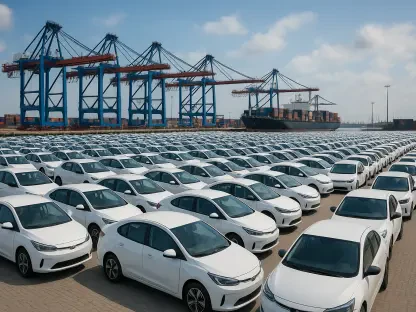
A core component of this urban transformation involves a radical restructuring of Benghazi’s industrial landscape, moving away from a reliance on heavy maritime freight within the city center. The masterplan advocates for the strategic relocation of commercial cargo operations to the newly developed El Mreisa port, which would effectively liberate the historic Old Town waterfront for more sustainable uses. This liberation of coastal space allows for the introduction of tourism, cultural institutions, and leisure activities that were previously hindered by industrial activity. By reclaiming the shoreline, the city can finally reconnect its urban fabric with the Mediterranean Sea, fostering a vibrant public realm that serves residents and visitors alike. This shift is not merely about aesthetics; it is an economic imperative designed to diversify the city’s revenue streams and reduce its dependence on traditional industrial sectors. The resulting waterfront will act as a primary catalyst for growth, attracting investment and revitalizing the historic heart.
In contrast to the mass demolition often seen in rapid urban development, the architectural philosophy guiding this project emphasizes the restoration of existing structures and the preservation of cultural memory. Zaha Hadid Architects and their partners have developed a spatial strategy that integrates natural green infrastructure directly into the urban grid to manage water resources and enhance local biodiversity. At the heart of this ecological and economic network is Benghazi University, which serves as the anchor for a burgeoning “knowledge district” intended to foster innovation and academic excellence. By concentrating high-density, mixed-use developments around these educational hubs, the plan encourages a pedestrian-friendly environment that facilitates social interaction and community engagement. This is particularly evident in the proposals for the Al Sabri housing district and the Central Souk, where the goal is to revitalize traditional social spaces. This methodology ensures that the city’s expansion remains human-centric, respecting the social fabric while providing the modern infrastructure required for future success.
The Digital Planning Hub: Implementing Data-Driven Governance
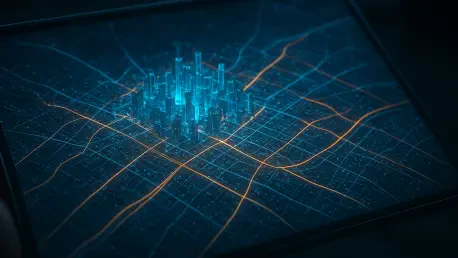
The most technologically advanced feature of the Benghazi 2050 plan is the establishment of a Digital Planning Hub, which serves as the operational brain for the city’s “digital twin.” This digital twin is a sophisticated, three-dimensional virtual replica of Benghazi that aggregates vast amounts of real-time data, including population demographics, transport patterns, and environmental variables. By utilizing this platform, urban planners and city officials can simulate various development scenarios to assess their potential impact before any physical construction begins. For example, the hub can model how a new residential block might affect local wind patterns, sunlight exposure, or drainage systems during extreme weather events. This data-driven approach allows for a level of precision and foresight that was previously impossible, ensuring that every individual project contributes positively to the city’s overall climate resilience. The integration of such technology marks a transition toward a more scientific and evidence-based method of urban management that can respond to crises in real time.
Beyond its technical capabilities, the Digital Planning Hub represents a significant evolution in urban governance by moving planning activities out of closed offices and into a transparent, collaborative environment. This platform is designed to be accessible to local authorities, international investors, and the public, providing a shared source of truth that aligns the interests of various stakeholders. By standardizing data across departments, the city can avoid the common pitfalls of fragmented development where transport, utilities, and housing are planned in isolation. This model draws inspiration from successful global initiatives, such as Virtual Singapore or the mobility twins in Bologna, where digital simulations have revolutionized resource allocation and public service delivery. For Benghazi, the digital twin offers a permanent resource that will remain relevant long after the initial planning phase is complete. It provides the flexibility to adjust long-term strategies as economic conditions fluctuate or as new technologies emerge, making the masterplan a truly adaptive instrument for long-term governance.
Resilience and Mobility: Building the Foundation for Growth
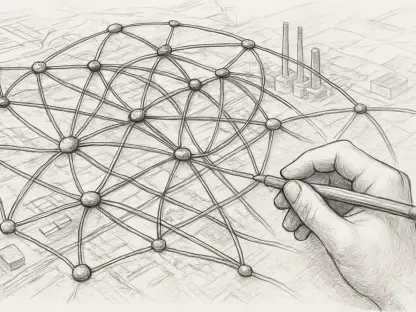
To support the city’s transition into a modern economic powerhouse, the transport consultant Systematica has designed a multi-layered mobility strategy that prioritizes seamless connectivity and high-capacity infrastructure. The plan introduces a citywide mass public transport network that links disparate residential neighborhoods with the historic core and the new knowledge districts. A key feature of this strategy is the implementation of a coordinated logistics network that diverts heavy freight and industrial traffic away from the city center, thereby reducing congestion and environmental pollution. By establishing a clearly defined road hierarchy, the framework facilitates high-speed movement for essential services and transit while simultaneously creating quiet, walkable zones within local communities. This dual approach ensures that the city can handle the increased logistical demands of a growing economy without sacrificing the livability of its neighborhoods. The emphasis on multi-modal transport options, including cycling and pedestrian pathways, reflects a broader commitment to creating a sustainable and accessible urban environment.
The foundational work established by the Benghazi 2050 masterplan provided a definitive roadmap for the city’s transformation into a resilient and technologically advanced urban center. Stakeholders focused on the immediate implementation of the Digital Planning Hub, ensuring that data collection and analysis became a core component of municipal operations. This proactive stance allowed local authorities to begin the phased relocation of industrial activities while simultaneously initiating the restoration of the Old Town’s cultural landmarks. The move toward a knowledge-based economy necessitated close cooperation between the university and private sector partners, fostering an environment where innovation flourished. Future considerations focused on maintaining the digital twin’s accuracy and expanding its capabilities to include automated energy management and real-time public safety monitoring. By prioritizing these actionable steps, the city leadership successfully bridged the gap between visionary architectural concepts and the practical realities of urban life. The integration of technology and heritage ultimately redefined what was possible for the city’s future.