
The global security landscape has shifted from the predictable kinetic engagements of the late twentieth century to a complex, multi-domain environment where bits and bytes are as lethal as bullets and bayonets. This evolution demands that the North Atlantic Treaty Organization fundamentally rethink how it equips its forces, moving beyond the simple mass production of hardware toward a sophisticated, data-driven defense industrial base. The alliance currently faces the dual challenge of replenishing depleted stockpiles while simultaneously integrating cutting-edge technologies that redefine the nature of deterrence. Military leaders are increasingly aware that the traditional procurement cycles, which often took decades to deliver a single platform, are wholly inadequate for a world where software updates occur in minutes and drone designs iterate in weeks. Success in this new reality is not merely about having the largest fleet or the heaviest armor; it is about the agility of the industrial ecosystem that supports those assets and the speed at which it can innovate under pressure.
Redefining the Scope of Military Production
The traditional image of the defense industrial base as a series of heavy manufacturing plants churning out steel hulls and iron casings is rapidly being replaced by a vision of interconnected laboratories and software hubs. Modern military production now encompasses everything from the fabrication of advanced semiconductors to the development of complex artificial intelligence algorithms capable of processing vast amounts of battlefield data in real-time. This broader scope reflects the reality that a modern tank or fighter jet is essentially a high-performance computer wrapped in armor or stealth plating. By expanding the definition of defense industrial capabilities, the alliance is acknowledging that the supply chains for rare earth minerals and microchips are just as critical to national security as the supply chains for traditional munitions. This transition necessitates a closer partnership between the public sector and private tech firms, ensuring that the latest civilian innovations are rapidly militarized to maintain a competitive edge.
Furthermore, the shift toward a modern industrial model requires a significant overhaul of how human capital is utilized within the defense sector. The alliance must foster a workforce that is equally skilled in traditional engineering and modern disciplines like data science, cybersecurity, and additive manufacturing. This human-centric approach ensures that the industrial base can remain flexible, allowing for the rapid reconfiguration of production lines to meet emerging threats without the need for extensive retooling. For instance, the use of industrial-grade 3D printing at the tactical edge allows for the immediate replacement of damaged parts, reducing the reliance on long, vulnerable logistical tails. By prioritizing digital fluency alongside physical manufacturing prowess, the alliance is building an industrial foundation that can adapt to the unpredictable demands of high-intensity conflict. This adaptability is the cornerstone of modern deterrence, signaling to potential rivals that the alliance possesses the resilience to sustain a prolonged engagement across multiple domains.
Solving the Problem of European Fragmentation
One of the most persistent hurdles to a truly integrated defense strategy is the historical fragmentation of the European industrial landscape, where national borders often dictate procurement priorities. Currently, dozens of different weapon systems and platforms exist within the alliance, many of which are non-interoperable or require unique maintenance protocols and specialized ammunition types. This lack of standardization creates a logistical nightmare during joint operations, as forces from different nations may find themselves unable to share essential supplies or communicate through encrypted channels. To address this, there is an intensifying effort to promote joint procurement initiatives that encourage member states to pool their resources and purchase standardized equipment in bulk. By consolidating demand, the alliance can leverage its collective buying power to lower costs and incentivize manufacturers to adhere to common technical specifications. This move toward industrial unity is not just about fiscal responsibility; it is a strategic necessity that ensures every piece of equipment on the battlefield works.
Streamlining these industrial efforts also involves the harmonization of regulatory frameworks and export controls, which have traditionally acted as barriers to cross-border collaboration. When nations align their defense spending and production goals, they create a more attractive market for long-term investment, encouraging defense contractors to build large-scale facilities that serve the entire alliance rather than a single domestic market. This transition toward a unified industrial base allows for the creation of regional hubs specializing in specific technologies, such as advanced sensor suites or missile defense systems, thereby avoiding the redundancy of every nation trying to develop every capability from scratch. The savings realized through these economies of scale can then be reinvested into research and development, fueling the next generation of breakthroughs. Ultimately, overcoming the inertia of national silos is the only way to ensure that the European pillar of the alliance remains a robust and self-sustaining contributor to global security while maintaining a high state of operational readiness.
Adapting to the Reality of Low-Cost Warfare
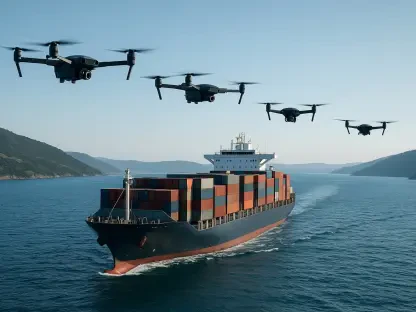
The proliferation of inexpensive, commercially available technologies has democratized the ability to project power, creating a profound imbalance in the financial cost of modern warfare. Currently, military planners are grappling with the reality that a drone costing a few thousand dollars can successfully disable or destroy an asset worth hundreds of millions. This economic asymmetry necessitates a fundamental shift in how the defense industrial base approaches production, prioritizing the development of attritable systems that are designed to be lost in high-risk environments. By mass-producing low-cost autonomous vehicles and smart munitions, the alliance can achieve the necessary battlefield mass without incurring catastrophic financial or strategic losses when a platform is taken down. This approach shifts the burden of cost back onto the adversary, who must now expend expensive interceptors or sophisticated electronic warfare measures to counter a swarm of affordable, redundant threats. The goal is to build an industrial pipeline capable of producing these systems at scale.
Balancing high-end capabilities with mass-produced solutions requires a new manufacturing philosophy that emphasizes speed and modularity over perfection and permanence. The defense industrial base is now looking toward commercial manufacturing techniques to scale the production of smart, low-cost defensive tools, such as directed-energy weapons and electronic jamming pods. These technologies offer a more sustainable way to counter incoming threats, providing a virtually unlimited magazine at a fraction of the cost of traditional missile defense systems. For the industrial base to be truly sustainable in this environment, it must be capable of iterating on designs as quickly as the threats evolve. This means moving away from the one-size-fits-all mentality and instead developing a diverse portfolio of capabilities that can be tailored to specific operational needs. By investing in the mass production of these cost-effective systems, the alliance ensures that it can maintain a persistent presence in contested areas without depleting its high-value strategic reserves.
Securing Digital Frontiers and Global Supply Chains
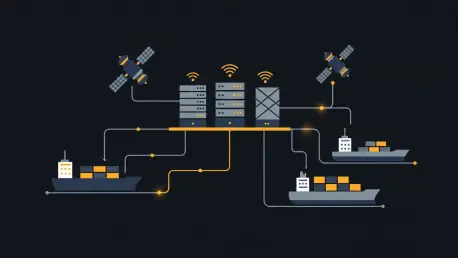
In an era where every sensor and weapon system is connected to a global network, the resilience of the digital infrastructure is just as important as the physical durability of the equipment. The alliance is currently prioritizing the migration of critical defense data to secure cloud environments, ensuring that information can be shared instantly between different units while remaining protected from cyberattacks. This digital integration allows for the creation of a unified battle management system, where AI-driven analytics can process data from drones, satellites, and ground sensors to provide commanders with a comprehensive view of the theater. However, this reliance on digital connectivity also introduces new vulnerabilities, making cybersecurity a foundational element of the defense industrial base. Every contractor and subcontractor in the supply chain must adhere to rigorous security standards to prevent state-sponsored actors from infiltrating the network and compromising sensitive blueprints. Securing these digital frontiers is an ongoing effort that requires constant vigilance and deployment.
Simultaneously, the alliance is taking proactive steps to de-risk its physical supply chains by reducing its dependence on adversarial or unstable nations for essential raw materials and components. This strategy, often referred to as friend-shoring, involves moving the production of microchips, high-capacity batteries, and rare earth elements to trusted partner nations. By building redundant supply chains within a circle of allied partners, the industrial base can ensure a steady flow of materials even during times of heightened geopolitical tension or trade disruptions. This effort is supported by a surge of private capital entering the defense technology sector, as investors recognize the long-term value of building a secure and resilient industrial ecosystem. This influx of funding allows for the development of new extraction and processing techniques that are both environmentally sustainable and strategically secure. Together, these digital and physical security measures provide the necessary stability for the alliance to project power and maintain deterrence in a volatile global environment.
Establishing a Resilient Framework for Future Readiness
The successful modernization of the defense industrial base required a comprehensive departure from the rigid, siloed structures that characterized previous generations of military planning. By prioritizing software integration and agile manufacturing, the alliance established a framework that valued adaptability and speed over traditional, slow-moving procurement models. Member states recognized that the fragmentation of national markets was a strategic liability and took decisive action to harmonize their procurement processes and technical standards. This collective effort not only increased the efficiency of defense spending but also ensured that allied forces could operate with a level of interoperability that was previously unattainable. Furthermore, the strategic shift toward mass-producing low-cost, attritable technologies provided a viable solution to the economic imbalances of modern conflict, allowing for a sustainable defense posture. These advancements ensured that the industrial base could react to emerging threats with the precision and speed necessary to maintain a credible deterrent.
Moving forward, the alliance focused on institutionalizing these changes by creating permanent cross-border innovation hubs that bridged the gap between military requirements and commercial breakthroughs. These hubs acted as catalysts for the rapid testing and deployment of autonomous systems and AI-driven logistics, ensuring that the industrial base remained at the cutting edge of technological evolution. The transition to friend-shoring and secure digital environments mitigated the risks of supply chain coercion, providing a stable foundation for long-term strategic planning. By fostering an environment where private capital and public defense goals were aligned, the alliance secured the resources needed to sustain a technological advantage in an increasingly contested world. The commitment to maintaining a flexible, unified, and secure industrial ecosystem stood as a testament to the alliance’s ability to evolve in the face of unprecedented challenges. These actions ultimately provided the blueprint for a modernized defense posture that prioritized resilience and innovation above all else.