
The traditional image of public assistance often involves endless waiting rooms and a labyrinth of paperwork that historically discouraged the very individuals it was designed to help. Today, a digital revolution is fundamentally altering this landscape, turning “red tape” into a streamlined, user-centric “one-stop shop” that prioritizes the dignity of the applicant. This shift represents more than just a technological update; it is a profound reimagining of how the social safety net functions in a post-crisis world.
In the wake of recent global challenges, the modernization of social services has shifted from a luxury to an absolute necessity. State agencies have recognized that legacy systems are no longer capable of meeting modern demands or withstanding sudden economic shifts. By investing in centralized digital portals, governments are ensuring that their infrastructure is resilient, efficient, and capable of serving the public with the same speed and transparency expected from the private sector.
This article examines the move from fragmented service delivery to centralized digital portals, using the Tennessee Department of Human Services (TNDHS) as a primary case study. It explores the impact of generative AI on administrative efficiency and discusses the emerging “no wrong door” philosophy in public administration. By analyzing these shifts, we can better understand how technology is reshaping the relationship between the state and its residents.
Analyzing the Growth of Centralized Benefit Platforms
Key Metrics and the Shift Toward Unified Delivery
The rapid scaling of the Tennessee customer portal provides a clear data point for the success of unified digital platforms. Since its inception, the system has registered over 1.6 million accounts, with an average of 300,000 monthly logins and 20,000 new registrations every month. These numbers suggest that when barriers to entry are lowered, engagement with essential services rises significantly, proving that accessibility is a primary driver of program utilization.
Moreover, the transition from decentralized, county-based systems to unified statewide interfaces has eliminated the geographic lottery that once determined service quality. By replacing 95 individual county contact lines with a single, high-capacity digital gateway, states can maintain consistent service standards regardless of a resident’s physical location. This centralized model allows for better data oversight and more equitable distribution of resources across the entire state.
Performance data also highlights the massive efficiency gains found in AI-driven automation. Modern platforms now utilize AI to resolve 81% of routine inquiries without any human intervention, freeing up staff for more complex cases. Furthermore, call-center wrap-up times have been reduced by 55%, a metric that directly correlates to shorter wait times and higher satisfaction for the public seeking help.
Modernization in Action: The Tennessee Department of Human Services (TNDHS) Case Study
The legacy environment at the Tennessee Department of Human Services once utilized over 20 disparate phone numbers and localized contact points, creating significant hurdles for residents. This fragmentation meant that a person seeking multiple types of assistance often had to navigate several different bureaucratic silos, repeating their story and resubmitting documentation at every turn. Such a system was not only inefficient for the state but also exhausting for the citizen.
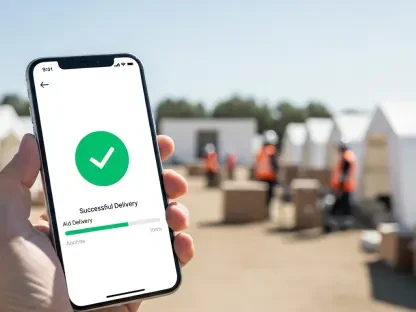
The launch of the centralized portal in 2022 provided a comprehensive “one-stop shop” solution to these systemic issues. Residents can now apply for multiple programs through a single dashboard, monitor their application status in real-time, and even manage legal appeals within the same interface. This consolidation has effectively dissolved the walls between different benefit divisions, creating a cohesive experience that mirrors modern e-commerce or banking platforms.
Generative AI integration has further refined this process by assisting staff behind the scenes. In Tennessee, AI tools now transcribe and summarize conversations as they happen, saving roughly 90 seconds per customer interaction. This technological assistance allows caseworkers to remain fully present during sensitive conversations, focusing on human engagement rather than manual data entry, which ultimately improves the quality of the support provided.
Expert Perspectives on the “No Wrong Door” Philosophy
Eliminating Administrative Burden
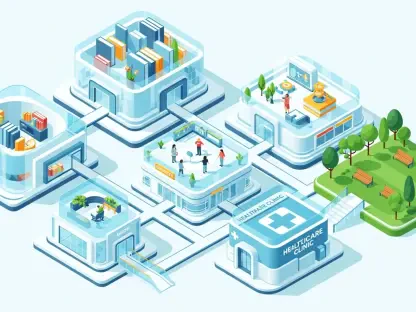
Thought leaders in public administration are increasingly advocating for the “no wrong door” approach, which ensures that residents can access any necessary service from any entry point. This philosophy argues that the internal structure of government agencies should be invisible to the user. Whether a person enters through a labor, health, or human services portal, the integrated system should be intelligent enough to route them to the correct resources without requiring the user to restart their journey.
By focusing on the elimination of administrative burdens, agencies are treating residents as valued customers rather than just case numbers. Professional opinions suggest that 24/7 access and simplified identity verification are essential components in shifting the power dynamic back to the citizen. This transition fosters a sense of trust and transparency, as residents no longer feel like they are shouting into a bureaucratic void but are instead participating in a responsive system.
Crisis-Driven Innovation
Expert analysis indicates that the pandemic-era necessities were the primary catalyst for these long-term improvements in governmental efficiency. What began as a desperate scramble to maintain services during lockdowns has been codified into sustainable digital infrastructure. These innovations have proven that government agencies can be agile and tech-forward when traditional methods fail, setting a new benchmark for public sector performance in the coming years.
The Future of AI-Driven Social Services
Potential Developments
The evolution of generative AI will likely move beyond simple chatbots to sophisticated tools capable of navigating incredibly complex eligibility requirements. Future systems may be able to proactively identify when a resident qualifies for new programs based on existing data, automatically prompting them to enroll. This move toward “anticipatory government” could significantly reduce the time it takes for families to receive support during periods of transition or hardship.
Challenges and Implications
Despite the benefits, significant hurdles remain regarding digital equity and data privacy. Policymakers must ensure that those without reliable internet access or high levels of digital literacy are not left behind as services migrate online. Additionally, the need for robust, secure identity verification remains paramount to prevent fraud while maintaining a frictionless user experience. Balancing these competing needs will be the defining challenge for administrators over the next few years.
Redefining Public Service for the Digital Age
The transformation of the Tennessee Department of Human Services from a fragmented, paper-heavy system into a high-efficiency digital powerhouse demonstrated the tangible benefits of prioritizing user experience and AI integration. By consolidating dozens of entry points into a single dashboard, the agency proved that technological modernization can coexist with compassionate service delivery. These efforts not only optimized internal workflows but also restored a level of dignity to the process of seeking help.
Moving forward, the primary objective for policymakers should be the cross-departmental scaling of these integrated models to include healthcare and labor sectors. Creating a truly unified social safety net will require breaking down the remaining data silos between different state and federal agencies to ensure a seamless “no wrong door” experience for every citizen. Prioritizing interoperability and digital inclusion today was the first step toward building a more resilient and responsive government for the future.