
The convergence of artificial intelligence’s insatiable energy appetite with the long-held dream of limitless clean power has catalyzed one of the most unconventional corporate marriages in recent memory: the merger of a social media entity with a pioneering nuclear fusion firm. The announcement of a $6 billion all-stock deal between Trump Media and Technology Group (TMTG) and TAE Technologies creates a vertically integrated entity aimed at solving one of the 21st century’s most pressing challenges. This analysis examines the market dynamics, strategic rationale, and future implications of this high-stakes venture, which sits at the unique intersection of technology, energy, finance, and politics.
Market Context The Energy Bottleneck of the AI Revolution
The strategic imperative behind this merger is rooted in a looming crisis for the technology sector. Artificial intelligence data centers are consuming electricity at an exponential rate, with projections indicating that their energy needs will soon strain, and potentially overwhelm, existing power grids across the globe. This reality has created a fundamental bottleneck that threatens to cap the growth of AI and the broader digital economy. In response, industry leaders are increasingly looking toward novel energy solutions, transforming power generation from a utility concern into a core strategic asset for tech companies, driving interest in next-generation sources like nuclear power.
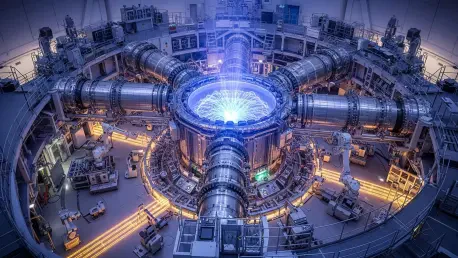
Against this backdrop, nuclear fusion has long been considered the ultimate prize in the quest for clean energy. Often described as capturing the power of a star in a bottle, fusion promises a source of energy that is safe, carbon-free, and fueled by abundant resources. However, despite decades of global research, achieving commercially viable fusion has remained an elusive goal. The primary scientific and engineering hurdles—namely, sustaining a reaction that produces more energy than it consumes and building a reactor that can withstand extreme temperatures—have kept fusion in the realm of long-term research. Founded in 1998, TAE Technologies has positioned itself as a leading contender in this race, securing over $1.3 billion in funding and leveraging a multi-year collaboration with Google Research to develop its innovative reactor designs.
Analysis of the Strategic Merger
The Financial and Structural Architecture of the Deal
The merger is structured as a union of equals, with the all-stock transaction valued at $6 billion. Upon its expected closure in mid-2026, shareholders of both TMTG and TAE Technologies will each hold approximately 50 percent of the new combined company. Under this new framework, TMTG will operate as the parent holding company, overseeing both its Truth Social platform and TAE’s multifaceted operations. These operations include not only the core fusion research but also TAE Power Solutions and TAE Life Sciences, a division focused on applying fusion-derived technologies to cancer radiotherapy. To accelerate progress, the agreement stipulates that Trump Media will provide up to $300 million in cash to fund TAE’s ongoing research and development efforts.
The leadership of the merged entity reflects its dual focus, with TMTG’s Devin Nunes and TAE’s Michl Binderbauer slated to serve as co-CEOs. This shared governance model aims to balance the media and political acumen of TMTG with the deep scientific expertise of TAE. Furthermore, the board of directors will include prominent figures such as Donald Trump Jr., signaling a deep and continued involvement from the Trump family. This structure is designed to integrate two vastly different corporate cultures and strategic objectives into a single, cohesive vision aimed at dominating both the digital content and future energy markets.
A Unique Intersection of Politics and Deep Tech
This transaction is distinguished by its overt blending of political capital with deep-tech ambition. The merger adds a technologically sophisticated and forward-looking asset to the Trump family’s extensive business empire, which already encompasses real estate, media, and cryptocurrency. More importantly, it introduces a powerful political dynamic into the capital-intensive and heavily regulated energy sector. The venture is built on the expectation, as noted by market analysts, that TAE will benefit from significant political support, leveraging a high-profile political brand to navigate the bureaucratic and financial hurdles that have historically slowed the progress of large-scale energy projects.
This strategy of fusing business with political influence is a hallmark of other ventures associated with the Trump name. By applying this model to the fusion industry, the new entity aims to create a competitive advantage that other deep-tech firms lack. The ability to potentially fast-track regulatory approvals, secure government contracts, or attract public-private partnerships could prove decisive in the race to commercialize fusion. Consequently, this merger is not merely a financial or technological play but a strategic gambit that bets on political leverage as a key catalyst for scientific breakthrough and market success.
Market Reaction and Future Projections
The market’s initial reaction to the announcement was overwhelmingly positive, reflecting investor enthusiasm for the deal’s audacious vision. Shares of Trump Media, which had been underperforming, surged nearly 33 percent immediately following the news. This sharp increase reversed a substantial portion of the stock’s decline from earlier in the year and indicated a strong speculative appetite for the combined entity’s transformative potential. The rally suggests that investors are willing to overlook TMTG’s history of financial losses in favor of the high-reward prospect of owning a stake in a potential solution to the global energy crisis fueled by AI.
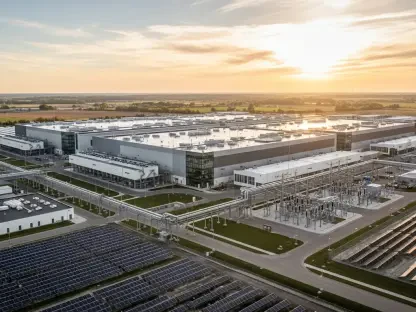
Adding to the market excitement are the company’s aggressive and publicly stated timelines. The newly formed entity has declared its intention to commence construction on the world’s first utility-scale fusion power plant as early as 2026. Furthermore, it plans to finalize a site for this pioneering facility by the end of that same year. This accelerated schedule signals a clear intent to disrupt the traditionally slow-paced timeline of fusion research and development. By setting such ambitious goals, the company is positioning itself as a leader intent on rapidly commercializing its technology, a posture that resonates strongly with a market eager for breakthroughs.
Strategic Implications and Industry Outlook
For investors, the TMTG-TAE merger has opened a new frontier where the tech sector’s immense energy requirements are forging unconventional alliances and creating novel investment opportunities. The deal brings a high-risk, high-reward deep-tech venture into the public market, offering a volatile but potentially lucrative play on the intertwined futures of artificial intelligence and clean energy. It serves as a powerful indicator that the market is beginning to price in the infrastructure constraints of the AI boom, creating value in companies that offer plausible solutions, no matter how speculative.
For industry watchers and professionals, the key recommendation is to monitor the dynamic interplay between technological progress and political influence. The ultimate success or failure of this venture will not be determined by daily stock market fluctuations but by TAE’s ability to achieve its critical scientific and engineering milestones. The true test of long-term viability will be tangible progress toward net energy gain and a functional commercial reactor. Therefore, the most important metrics to watch are not financial but technical, as these will be the ultimate arbiters of whether this bold fusion of capital, politics, and science can deliver on its world-changing promise.
The merger between Trump Media and TAE Technologies represented a pioneering, if speculative, attempt to vertically integrate a tech platform with a next-generation energy source. It created a unique corporate entity that aimed to leverage political influence to solve a fundamental technological challenge. The venture ultimately highlighted the profound market recognition of AI’s energy crisis and signaled a new willingness to fund high-risk, paradigm-shifting solutions. This bold fusion of media, politics, and deep tech provided a definitive case study in how future industrial strategies might have been forged to power the next technological revolution.