
The global energy landscape is undergoing a monumental shift, moving beyond incremental changes to embrace a comprehensive transformation driven by a confluence of powerful technological trends. This evolution is not merely about replacing old power plants with new ones; it is a fundamental reimagining of how energy is generated, stored, distributed, and consumed. At the heart of this change is a relentless pursuit of greater efficiency, enhanced scalability, and unwavering reliability in renewable energy systems. The consensus is clear: the future of energy hinges on solving the intermittency of sources like solar and wind through advanced storage, continuing the rapid expansion of these foundational technologies, and weaving a digital fabric of intelligence and connectivity through tools like Artificial Intelligence (AI), the Internet of Things (IoT), and blockchain. These forces are not acting in isolation but are deeply interconnected, creating a synergistic effect that is accelerating the transition to a cleaner, more resilient, and highly intelligent global energy infrastructure capable of meeting the demands of the modern world.
The Bedrock of a New Energy Paradigm
Renewable energy storage has emerged as the most critical trend, serving as the linchpin that addresses the inherent variability of solar and wind power. The market for this technology is experiencing phenomenal growth, with projections indicating it will reach an astonishing USD 481.86 billion by 2029. This expansion is propelled by substantial investments in large-scale generation projects and the rapid deployment of storage capacity. In the United States alone, battery storage is expected to nearly double its cumulative capacity in just a few years, a necessary development to stabilize the grid as tens of gigawatts of new solar capacity come online annually. Beyond the widely used lithium-ion batteries, the industry is intensely focused on developing long-duration storage solutions that can ensure a stable power supply over extended periods. Innovations in this arena include advanced Compressed Air Energy Storage (CAES) systems, which use isothermal compression to minimize energy loss, and Superconducting Magnetic Energy Storage (SMES), a technology offering unparalleled efficiency and near-instantaneous response times for critical grid support. Startups are pushing the envelope, with companies like Otoro Energy developing novel flow batteries free of precious metals for cost-effective scaling, and The Heat Vault Company pioneering a method to store renewable energy as heat in natural underground rock formations for days or even decades.
Simultaneously, wind and solar energy continue their relentless global expansion, solidifying their roles as primary sources of clean electricity. By mid-2024, the total installed global wind capacity surpassed one terawatt, contributing over 10% of the world’s electricity generation, with the market forecast to grow steadily. Significant progress is being made offshore, particularly in Europe, where capacity is projected to double by 2025. This growth is heavily supported by government initiatives aimed at spurring development. Solar energy, meanwhile, is dominating new electricity capacity growth at an unprecedented rate, with investment in solar photovoltaics (PV) in 2024 exceeding the combined investments in all other power generation sources. The International Energy Agency (IEA) forecasts that solar will account for a staggering 80% of global renewable energy growth through 2030. This rapid scaling is enabled by continuous advancements in high-efficiency technologies like perovskite solar cells, bifacial panels that capture light from both sides, and Tunnel Oxide Passivated Contact (TOPCon) cells that minimize energy losses. Innovative companies are carving out new applications, from Windex Energy’s modular wind units designed for hilly terrains to Sun Ice Energy’s thermal storage solution that uses solar power for sustainable cooling.
The Digital Backbone of a Greener Grid
Artificial Intelligence is rapidly becoming the transformative force within the renewable energy industry, driving substantial improvements in efficiency, cost reduction, and grid stability. The market for AI in this sector is on a steep growth trajectory, expected to reach USD 3.20 billion by 2031. Its impact is being felt across the entire value chain, from project development to daily operations. The tangible benefits are already clear, with AI demonstrating the ability to increase solar energy efficiency by approximately 20% through optimized panel orientation and reduce equipment downtime by as much as 70% via predictive maintenance systems. Furthermore, AI is streamlining the development of new clean energy projects, with estimates suggesting it can shorten development schedules by around 20%. This acceleration is crucial for nations with ambitious goals, such as India’s plan to reach 500 GW of renewable capacity by 2030, which relies heavily on AI for sophisticated grid monitoring and energy storage management. In the field, AI-powered robotic systems are now being deployed to install large-scale solar arrays, further expanding cost-effective capacity. Companies like Ravenwits are at the forefront, developing advanced machine learning solutions for highly accurate energy forecasting, while tranXenergy has created an AI-powered system that intelligently optimizes energy consumption and storage by analyzing historical data and real-time usage to strategically schedule battery charging and discharging.
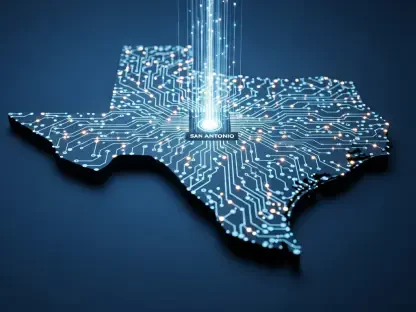
The creation of a truly connected and intelligent energy ecosystem is being enabled by the integration of the Internet of Things (IoT) and blockchain technology. The market for IoT in renewable energy is projected to grow to USD 113.69 billion by 2030, serving as the central nervous system for real-time performance monitoring, optimizing energy storage, and enhancing grid efficiency. With nearly half of renewable energy organizations already using IoT for performance tracking, its role is becoming indispensable as smart grids and intelligent energy management systems become the norm. This trend is also being driven by the expanding smart home market, where IoT connectivity allows for automated energy optimization. In parallel, blockchain technology is introducing a new level of transparency, security, and decentralization to the sector, with its market projected to grow at a staggering compound annual growth rate of 43.7% through 2034. Its impact is most evident in the rise of peer-to-peer (P2P) energy trading platforms, which empower consumers to become “prosumers” who both produce and sell energy. Beyond trading, blockchain is transforming the renewable energy value chain by improving the tracking of renewable energy certificates (RECs) and automating transactions through smart contracts. Startups such as Wazo Smart Systems are providing real-time IoT energy monitoring solutions, while Solareum has created a blockchain platform uniquely powered by renewable energy itself.
Expanding the Clean Energy Toolkit
While solar and wind dominate new capacity additions, creating a comprehensive and resilient energy system requires a diverse portfolio of alternative renewable sources. The global alternative energy market, projected to reach USD 3.2 trillion by 2031, reflects the growing importance of this diversification. Long-established sources like hydroelectric power continue to provide essential grid stability and low-cost baseload power, with technological advancements enhancing the performance of existing plants. Geothermal energy holds immense untapped potential and could meet up to 15% of global electricity demand growth by 2050, as next-generation systems utilize advanced drilling to access deeper and hotter resources. Biomass and biofuels are serving as a crucial transitional solution for replacing coal infrastructure and supporting industrial bioenergy systems, while second-generation biofuels offer a sustainable alternative for reducing emissions in the transportation sector. Additionally, ocean-based technologies like wave and tidal energy are advancing with improved designs, making them increasingly viable options for coastal regions. Startups are driving innovation in these areas, with Causeway Energies developing multifaceted geothermal heating solutions and Rothberger Energy designing compact hydroelectric plants that empower small communities to harness local water resources.
Green hydrogen, produced via electrolysis powered by renewable energy, is emerging as a critical solution for decarbonizing sectors that are traditionally difficult to abate, such as heavy industry, transportation, and long-term energy storage. The green hydrogen market is poised for exponential growth, projected to reach USD 30.6 billion by 2030. This expansion is being supported by global initiatives to build robust manufacturing capacity for electrolyzers, the devices used to produce hydrogen. The production of green hydrogen is also expected to become a major driver for additional renewable energy deployment, with some estimates suggesting it could require approximately 25% of all global renewable electricity generation by 2050. Technological advancements are focused on making green hydrogen production more cost-efficient and scalable. Innovations in proton exchange membrane (PEM) and alkaline electrolyzers are achieving higher efficiencies, while breakthroughs in material science, such as the development of non-precious metal catalysts, are helping to reduce production costs. Companies like Caplyzer have developed patented electrolyzers that separate hydrogen and oxygen generation without expensive membranes, while Soren Hydrogen provides a software platform to optimize the planning and design of renewable hydrogen projects, accelerating their path to reality.
Building a Resilient and Decentralized Power System
Microgrids, which are localized energy networks that can operate independently or in conjunction with the main electrical grid, are providing a powerful solution for enhancing energy resilience, reliability, and independence. The global microgrid market is forecast to expand significantly, from USD 51.40 billion in 2025 to USD 236.18 billion by 2034. These systems serve as platforms for integrating distributed energy resources (DERs) like solar panels, wind turbines, and battery storage with intelligent controls. Their ability to provide dependable power makes them increasingly attractive for rural and isolated communities, as well as for critical facilities such as hospitals and data centers that cannot afford power disruptions. The efficiency of microgrids is being further enhanced by the integration of digital technologies like AI for predictive maintenance, IoT for real-time monitoring, and blockchain for secure energy trading. This convergence of technologies is driving a fundamental shift away from centralized utility models toward more decentralized, efficient, and resilient power networks that empower communities. Startups like MicroGrid Solutions are designing and implementing systems that deliver reliable power during main grid outages, while ClimaFi develops comprehensive solutions and smart energy management platforms that use machine learning to predict energy demand and optimize distribution.
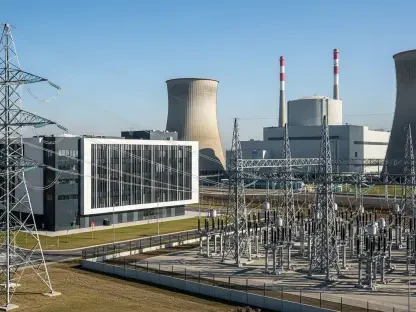
Ultimately, effective grid integration is paramount to harnessing the full potential of the rapidly growing volume of renewable energy sources. The global market for smart grid integration is projected to reach USD 427.9 billion by 2031, reflecting the massive scale of this challenge. Modernizing grid infrastructure is a top priority for governments worldwide, with hundreds of billions of dollars committed to upgrading networks in the European Union and the United States. Maintaining grid stability is the central challenge as intermittent renewables become more prevalent. Advanced technologies are essential for managing this complexity, including Virtual Power Plants (VPPs), which aggregate diverse DERs to create a unified, dispatchable energy resource. Other key technologies include advanced power electronics like STATCOMs and SVCs, which provide dynamic support to maintain stable voltage levels, and High-Voltage Direct Current (HVDC) systems that enable the efficient transport of renewable energy over long distances. Startups are providing critical solutions for this transition, with companies like Eluminate specializing in power quality solutions that ensure the smooth integration of renewable projects, and GESI deploying large-scale battery storage systems that use environmentally friendly technology to stabilize the grid and reduce the need for fossil fuel-based peaker plants.
A Synthesized Vision for the Future of Energy
The trends detailed throughout this analysis painted a clear picture of a global energy system in the midst of a rapid and comprehensive transition. The advancements were not occurring in isolation but were deeply interconnected, creating a powerful synergy. Progress in renewable energy storage directly enabled the scaling of solar and wind production. The integration of AI and IoT provided the intelligence required to manage complex systems like microgrids and VPPs, which in turn facilitated greater grid integration. Emerging technologies like green hydrogen and alternative renewables diversified the energy mix, while blockchain laid the groundwork for more transparent and democratized energy markets. Together, these innovations drove the global shift toward a cleaner, smarter, more resilient, and ultimately more sustainable energy future. Identifying and embracing these trends proved crucial for organizations aiming to gain a competitive advantage in the profoundly evolved energy landscape.