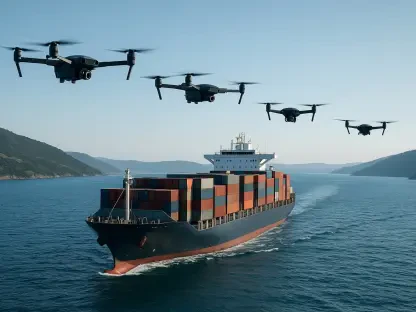

Ongoing tensions in the Taiwan Strait threaten a waterway that currently manages roughly twenty-five percent of all global trade volume, leaving no easy alternatives for merchant vessels. This concentration of commercial traffic highlights the extreme sensitivity of modern supply chains to localized geopolitical instability. When a primary artery like the Strait of Malacca or the Suez Canal experiences even a temporary disruption, the ripple effects are felt instantly across global markets, from energy prices in Europe to manufacturing schedules in North America. These narrow maritime passages, often referred to as chokepoints, represent the ultimate single point of failure in a system built on the principles of efficiency and low-inventory logistics. As international relations become increasingly polarized, the weaponization of these channels has moved from a theoretical risk to an immediate operational concern for shipping firms. The sheer scale of modern vessels makes rerouting a daunting task for everyone.
Strategic Bottlenecks and Their Economic Implications
The Geopolitical Complexity: Strait of Malacca
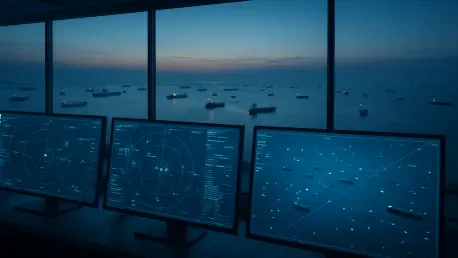
The Strait of Malacca serves as the primary conduit for energy supplies heading toward China, Japan, and South Korea, making it arguably the most vital corridor in the Eastern Hemisphere. This narrow stretch of water handles more than ninety thousand vessels annually, carrying everything from liquefied natural gas to high-end consumer electronics. However, the geographic constraints of the channel, which narrows to just 1.5 nautical miles at the Philips Channel, create a natural bottleneck that is susceptible to both piracy and state-level blockades. Regional powers have responded by investing heavily in advanced maritime domain awareness technologies, such as synthetic aperture radar satellites and unmanned surface vehicles, to monitor traffic patterns and detect anomalies in real-time. Despite these technological safeguards, the fundamental reliance on this specific route persists because alternative paths often add thousands of miles to a journey. This reality forces a delicate diplomatic dance.
Economic Volatility: Financial Risks of Closure
Disruption in these zones triggers a cascade of financial consequences that extend far beyond increased transit times for individual cargo ships. For instance, when a vessel is forced to circumnavigate a closed chokepoint, the resulting surge in bunker fuel consumption and daily operating costs can increase the total freight expense by over thirty percent. Insurance underwriters also react by implementing war risk premiums, which further inflate the cost of goods for the end consumer. These inflationary pressures are particularly acute in the semiconductor sector, where specialized components are often shipped via specific maritime routes to reach assembly hubs in Southeast Asia. A prolonged closure of a key strait would not only delay product launches but could also lead to factory shutdowns in industries reliant on precision-timed deliveries. Building redundant infrastructure, such as the Kra Isthmus canal or expanded rail networks across Central Asia, remains a long-term goal for many.
Resilience Strategies for a Fractured Trading Landscape
Technological Solutions: AI and Autonomous Systems
To mitigate the inherent risks of maritime bottlenecks, the industry is turning toward sophisticated predictive analytics and decentralized logistics frameworks. Modern shipping conglomerates are utilizing AI-driven platforms to simulate various disruption scenarios, allowing them to optimize fleet distribution weeks before a crisis reaches its peak. These systems integrate weather data, geopolitical sentiment analysis, and port congestion metrics to suggest the most efficient alternative routes in real-time. Furthermore, the development of autonomous and semi-autonomous merchant ships offers a potential solution to staffing shortages and safety concerns during periods of heightened tension. By reducing the human element on the high seas, operators can manage risks more effectively while maintaining the flow of essential commodities. The implementation of blockchain-based smart contracts also ensures that documentation and customs clearances remain seamless, even when cargo must be transferred.
Future Perspectives: Diversifying Global Trade Routes
Governments and private enterprises recognized the necessity of moving toward a more distributed maritime model that prioritized security over raw speed. Instead of relying on a handful of vulnerable corridors, stakeholders invested in friend-shoring initiatives and localized production hubs to shorten the physical distance between manufacturers and markets. This shift demanded a fundamental reassessment of global trade policies, where resilience became the primary metric for success. Leaders successfully integrated cross-border digital infrastructure to facilitate rapid information sharing between port authorities and naval coalitions. By diversifying energy sources and expanding the capacity of secondary ports, the global community established a more robust framework that could withstand localized shocks. The ultimate takeaway involved a transition from a centralized shipping philosophy to a redundant, multi-modal network that ensured economic stability regardless of regional volatility. Maritime diplomacy was the most effective tool.