
The Cuban government has officially replaced Decree 119/2024 with a comprehensive regulatory package designed to transition the island’s aging transportation infrastructure toward modern electric mobility solutions. This significant legislative shift, introduced under Decree 163/2026, aims to modernize a vehicle fleet that has long been defined by decades-old internal combustion engines and persistent fuel supply challenges. By establishing a more structured and transparent legal framework, the state is attempting to synchronize national energy goals with the practical transport needs of its citizens and residents. The new laws are not merely an update to existing codes but a fundamental pivot toward an electrified future where the reliance on imported petroleum is drastically reduced. This transition is facilitated through a mixture of public incentives, stricter market controls, and an invitation for private sector participation in the assembly of green transport alternatives, marking a new chapter in the nation’s automotive history.
Incentivizing the Transition to Green Energy
Tax Benefits and Sustainable Infrastructure
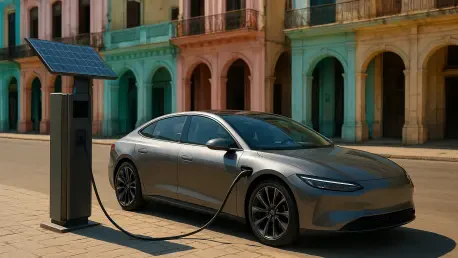
To facilitate this massive technological leap, the government has introduced aggressive tax incentives that specifically reward the adoption of eco-friendly energy solutions. Under the current regulations, any individual or business that imports a fully electric vehicle along with a dedicated renewable energy charging system, such as a solar-powered station, is entirely exempt from paying customs duties. This initiative effectively lowers the barrier to entry for high-tech transportation while simultaneously promoting the decentralization of the energy grid. For those who choose to import electric vehicles without a private renewable power source, the state has established a clear and tiered fee structure based on the total value of the vehicle. These fees remain predictable and manageable, ranging from $500 for entry-level models to $2,000 for luxury versions. This tiered approach ensures that the path to sustainable mobility remains accessible to various economic strata within the country.
Diversifying Personal and Commercial Transport
In addition to passenger cars, the new regulatory environment significantly expands the range of permitted imports to include smaller, more efficient modes of transport that are essential for daily life. Citizens are now authorized to import up to two electric motorcycles or mopeds, providing a critical solution for personal urban mobility and reducing the strain on the public transit system. The laws also cater to the logistical needs of the growing non-state sector by allowing the importation of electric or internal combustion tricycles and light trailers with a maximum capacity of 750 kilograms. This provision is vital for small-scale entrepreneurs and independent farmers who require flexible and affordable ways to move products and equipment across varying distances. By legalizing a broader array of light vehicles, the government is acknowledging the diverse transport requirements of the population while ensuring that even these smaller additions to the national fleet are subject to modern safety and efficiency standards.
Ownership Rights and Market Regulation
Eligibility for Traditional Internal Combustion Vehicles
While the broad population is being pushed toward electric alternatives, the importation of new gasoline and hybrid vehicles has become a highly restricted privilege reserved for specific groups. This option is currently limited to Cuban citizens who have spent at least two years working abroad on official state business, such as medical professionals, educators, and diplomats. These individuals are permitted a one-time import of a combustion-engine vehicle as a recognition of their service to the nation’s international missions. This policy serves a dual purpose: it provides a tangible reward for those working in difficult conditions abroad and acts as a strict control mechanism to prevent a massive influx of petroleum-dependent cars. By narrowing the gate for fossil-fuel vehicles, the state can better manage its national fuel consumption and focus its limited infrastructure resources on supporting the burgeoning electric sector, ensuring that the transition to green energy remains the primary national priority for the next decade.
Modernizing the Domestic Secondary Market
The domestic market for used vehicles has also undergone a dramatic transformation aimed at increasing transparency and economic fluidity. One of the most notable changes is the removal of the previous restriction that prevented individuals from owning more than six vehicles, a move that encourages a more active and open marketplace. To balance this liberalization, the state has mandated that all vehicle sales between private individuals must now be processed through official banking institutions. This requirement eliminates the large-scale cash transactions that often fueled the informal economy and provides a clear digital trail for every ownership transfer. Furthermore, buyers are now required to demonstrate the legal origin of their funds before a transaction can be legally recorded. This regulatory shift is designed to prevent financial crimes, such as money laundering, and to integrate the automotive market into the formal national financial system, creating a more secure environment for both buyers and sellers alike.
Industrial Expansion and State Supervision
Privatization of Local Vehicle Assembly
A landmark inclusion in the new legal framework is the authorization for private businesses and cooperatives to participate in the manufacturing and assembly of motor vehicles. This shift represents a significant move toward local industrialization, allowing non-state entities to produce vehicles—particularly electric models—on the island for the first time in modern history. While this opens new doors for entrepreneurship and technical innovation, the state maintains a firm hand on the process through a system of required government authorizations for any assembly operation. Additionally, all components, parts, and specialized equipment needed for local manufacturing must be imported through authorized state trade agencies. This centralized procurement model ensures that all locally produced vehicles meet national safety specifications and that the components used are compatible with the existing infrastructure. By fostering this public-private collaboration, the government hopes to create a sustainable local industry that can repair and maintain the nation’s new electric fleet.
Strategic Oversight and Safety Standards
To ensure that the influx of new technology aligns with national interests, the state has empowered the Automotive Means Evaluation Committee to act as the ultimate gatekeeper for the industry. Led by the Minister of Transportation, this high-level committee evaluated every vehicle brand and technical model before its introduction to the island, ensuring that all imports adhered to rigorous safety and environmental standards. Looking forward, the next critical step involved the rapid expansion of the public charging network and the development of specialized technical schools to train a new generation of electric vehicle mechanics. Stakeholders were encouraged to invest in decentralized solar grids to offset the added pressure on the national electricity supply. As the country moved beyond the initial rollout of these laws, the focus shifted toward establishing a comprehensive recycling program for lithium batteries and ensuring that the benefits of electric mobility were distributed across both urban and rural provinces.