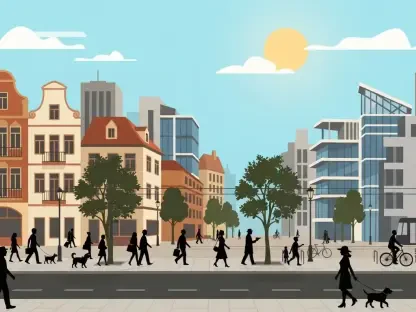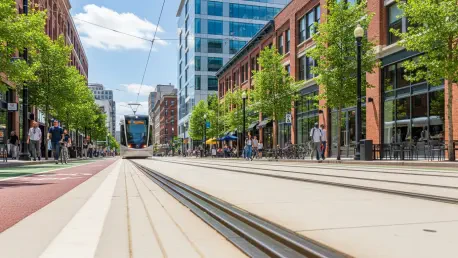

The 1955 public incineration of Omaha’s streetcars was not merely a logistical update but a symbolic execution of a transit philosophy that had defined the city’s early prosperity. Witnessed by thousands, the ritual burning of the wooden cars marked a definitive pivot toward an era dominated by the internal combustion engine and the private automobile. This radical shift in urban planning was predicated on the belief that high-speed traffic flow and suburban expansion were the primary indicators of a modern, successful metropolis. However, the subsequent decades revealed that this “symbolic incineration” prioritized through-traffic at the expense of local community, ultimately hollowing out Omaha’s once-teeming downtown and leaving a legacy of fragmented neighborhoods. Today, Omaha is aggressively reversing this mid-century philosophy, recognizing that the removal of rail transit acted as a catalyst for a decades-long decline in economic density and street-level vitality. By returning to a model that emphasizes fixed-route public transportation, the city seeks to reclaim the walkable, interconnected environment that once made its urban core a regional powerhouse. This transition is not about nostalgia; it is a calculated response to the modern demand for dense, high-utility urban environments where mobility is viewed as a public service rather than a series of private vehicle bottlenecks.
Structural Changes: The Shift Toward Automobile Dependency
In the mid-1950s, a highly coordinated campaign successfully convinced voters and city officials that streetcars were “bottlenecks” obstructing the inevitable progress of the automobile. This messaging was reinforced by traffic engineers who viewed the city through the narrow lens of throughput and vehicle speed rather than human interaction or economic proximity. Following these recommendations, Omaha undertook a massive structural overhaul, converting traditional two-way streets into high-speed one-way thoroughfares designed to whisk commuters from the city center to the emerging outskirts. This transformation prioritized parking lots over historic buildings and widened intersections to accommodate larger turning radii for personal vehicles. The psychological impact on the pedestrian was immediate and profound; once-vibrant sidewalks became narrow, uncomfortable corridors flanked by fast-moving traffic, effectively discouraging the foot traffic that had sustained local businesses for generations. As the infrastructure began to favor the car, the city’s character shifted from a series of cohesive neighborhoods to a transit-heavy landscape where the street was no longer a destination but a barrier to be crossed.
As the city limits pushed westward through aggressive annexation and the development of new housing tracts, the overall density of Omaha plummeted. The rise of interstate highways and low-density suburban developments further incentivized the abandonment of the urban core, as residents sought the perceived convenience of large lots and private garages. By 1970, the city had nearly doubled in geographic size, creating a sprawling footprint that made traditional fixed-rail transit appear obsolete in the eyes of contemporary planners. This expansion came at a heavy cost, as the maintenance of vast networks of asphalt strained municipal budgets while thinning the tax base in the central district. The decentralized growth model created a feedback loop where the lack of transit options necessitated car ownership, and the prevalence of cars demanded more sprawling infrastructure. This era of planning effectively engineered the social and economic life out of the downtown area, replacing high-density residential and commercial blocks with single-use zones that stood empty after work hours. The current revitalization efforts are a direct challenge to this legacy of sprawl, aiming to densify the existing footprint rather than continuing to expand into the rural periphery.
Urban Decay: The High Cost of a Car-First Strategy
The prioritization of parking and high-speed transit led to a significant “parking crater” effect in downtown Omaha that hollowed out the city’s economic heart. Between 1963 and 2014, the area gained thousands of parking spots to accommodate the influx of daily commuters, but this growth came at the expense of the built environment. Over 20,000 jobs were lost in the central business district as historic buildings were demolished to create surface lots, transforming a dense web of commerce into a Swiss-cheese landscape of asphalt. This cycle of decline was self-perpetuating: as buildings disappeared, the area became less attractive to pedestrians, leading more businesses to flee to the suburbs, which in turn created more demand for parking for those who still had to travel downtown. This planning philosophy effectively engineered walking out of the daily lives of residents, making the simple act of visiting a nearby store or office a chore that required a motorized vehicle. The result was a sterile urban environment that functioned primarily as a storage facility for cars during the day and a desolate wasteland at night, failing to generate the tax revenue or social energy necessary for a thriving city.
Modern urban experts now argue that the mid-century model of transit following development was fundamentally flawed and led to the current state of fragmentation. Instead, they view permanent infrastructure like the streetcar as a primary driver of economic growth that attracts new residents and businesses by signaling long-term commitment. Unlike bus routes, which can be altered or canceled with a simple change in city policy, the presence of steel rails in the ground provides a sense of certainty for real estate developers and small business owners. By creating dense, mixed-use environments similar to those found in other major metropolitan hubs like Portland or Kansas City, Omaha aims to draw people back to a central district where living and working are accessible without a vehicle. This shift is essential for attracting a workforce that increasingly favors urban amenities and shorter commutes. The focus has moved away from how many cars can pass through a block and toward how much value can be generated on that block through residential density and commercial activity. The streetcar serves as the anchor for this new development model, ensuring that the urban core remains a viable and attractive place for investment for decades to come.
Investment Stability: Economic and Structural Revitalization
Fixed rail provides a sense of permanence that bus routes cannot match, offering developers the confidence to invest in high-density projects along the line. When a city commits to a streetcar route, it is making a multi-million-dollar investment in a specific corridor, which acts as a powerful signal to the private sector. Financial institutions are increasingly willing to fund large-scale residential and commercial developments with fewer parking requirements when they are located within a short walk of a permanent transit station. This allows for more efficient land use, as developers can trade expensive parking garages for additional housing units or office space, ultimately lowering the cost of construction and increasing the density of the area. Reclaiming surface parking lots for residential and commercial use strengthens the city’s tax base by transforming unproductive land into high-value property. This restoration of the urban fabric is critical for creating a self-sustaining ecosystem where people live, work, and play in the same vicinity, reducing the need for long-distance commuting and the associated environmental and social costs.
A successful streetcar system requires a complete reimagining of the existing streetscape, including the potential reversal of one-way traffic patterns that have dominated the city for seventy years. City engineers are now exploring ways to narrow traffic lanes and add dedicated bike paths to prioritize safety and walkability over pure vehicle speed. These changes are intended to transform downtown from a corridor that people merely pass through at forty miles per hour into a destination where they want to linger and spend time. By slowing down the traffic and widening the sidewalks, the city creates an environment where outdoor dining, retail storefronts, and public art can thrive. The streetcar itself acts as a “moving sidewalk” that bridges the gap between different districts, making it easier for residents to navigate the city without the stress of finding parking at every stop. This structural shift represents a fundamental change in the city’s relationship with its streets, moving away from a model of exclusion and toward one of inclusion. The goal is to create a multi-modal transport network where the streetcar, the cyclist, and the pedestrian all have a designated and safe space to operate within the urban core.
Modern Mobility: Connectivity and the Urban Experience
Beyond the logistical benefits, the streetcar offers a “cool factor” that resonates deeply with younger generations who value urban connectivity and diverse transit options. For many professionals entering the workforce in 2026, the prospect of living in a city where a car is an optional convenience rather than a mandatory requirement is a significant draw. This maneuverable transit option complements the existing bus network, allowing for a seamless transition between different parts of the city and expanding the reach of the entire public transportation system. By integrating various modes of transport, Omaha creates a more accessible and social environment for its residents, fostering the kind of spontaneous interactions that are only possible in a walkable urban setting. The streetcar is not just a tool for movement; it is a platform for community building, providing a shared space where people from all walks of life interact as they move through the city. This focus on the “user experience” of transit is a departure from the purely utilitarian approach of the past, acknowledging that the way people move through a city profoundly affects their quality of life.
Advocates suggest that the success of the streetcar will be bolstered by its ability to link diverse and growing neighborhoods, such as the Blackstone district and the revitalized riverfront. These connections create a unified urban experience that encourages residents to explore different parts of their city, supporting a wider range of local businesses and cultural institutions. Some planners have even proposed making the entire streetcar system free to use, which would further lower the barrier to entry and accelerate the move away from car dependency. By removing the friction of fare collection, the streetcar becomes as integrated into the city’s life as a public park or a library. This vision positions the streetcar as the backbone of a modern, interconnected urban landscape that serves everyone, regardless of their income level or ability to drive. The connectivity provided by the rail line also opens up new opportunities for affordable housing developments, as lower parking requirements along the transit corridor make it more feasible to build homes for a broader range of residents. This integrated approach ensures that the benefits of urban revitalization are shared across the community, creating a more equitable and resilient city.
Historical Blueprint: Reclaiming the Streetscape
Historical records show that key intersections in Omaha were once the dense, bustling heart of the city before they were modified for maximum automobile throughput in the mid-century. By looking back at the city’s original design and photographs from the early 1900s, planners are finding a blueprint for a more sustainable and walkable future. These records reveal a city that was built on a human scale, with buildings that engaged the street and transit that was woven into the daily fabric of life. The goal of the current streetcar project is to restore this balance between transportation and street life that was discarded during the era of sprawl. By reintroducing rail, the city is not just building a new transit line; it is repairing a broken urban ecosystem and reclaiming the public space that was lost to asphalt. This historical perspective provides a powerful justification for the project, demonstrating that the density and walkability Omaha seeks to achieve were once the very things that made it a great American city. The streetcar serves as the bridge between this rich past and a more sustainable, vibrant future.
The ongoing revitalization projects in areas like the Blackstone district serve as a practical proof-of-concept for the broader streetcar route and the benefits of urban density. These neighborhoods demonstrate that walkability and density can thrive when the environment is no longer dominated by high-speed traffic and vast parking requirements. In Blackstone, the focus on human-centric design has led to a surge in new businesses, renovated housing, and a vibrant nightlife that attracts visitors from across the region. Reintroducing the streetcar to these areas is ultimately a bet on the long-term prosperity of a city that values human interaction over mechanical efficiency. It represents a move away from the “commuter culture” of the late 20th century and toward a “resident culture” where the city center is a place to live rather than just a place to work. This shift requires a long-term commitment from both the public and private sectors, but the early results suggest that the demand for a more urban, connected lifestyle in Omaha is stronger than it has been in decades. The streetcar is the physical manifestation of this new urban identity, signaling a return to the city’s roots as a center of commerce, culture, and community.
Strategic Progress: Actions Taken for a New Era
City leaders recognized the necessity of these changes as they finalized the transit expansion plans through 2028. They established a comprehensive framework that prioritized transit-oriented development, ensuring that new construction along the streetcar corridor met strict density and walkability standards. This strategic decision-making process involved deep collaboration between the municipal government and local developers to reduce parking minimums, which previously hindered the growth of affordable housing. By aligning zoning laws with the new transit infrastructure, the city successfully incentivized the repurposing of underutilized surface lots into vibrant residential hubs. Planners also implemented a phased rollout for the rail system, focusing on connecting existing high-traffic zones before expanding into emerging districts. These actions demonstrated a clear shift in priorities, moving away from the car-centric models of the past and toward a more integrated, human-scale urban environment. The commitment to these structural adjustments was reflected in the budgetary allocations that favored public transit over traditional highway expansion, marking a significant milestone in the city’s evolution.
The implementation of the streetcar system also required a specialized focus on the safety and comfort of the modern pedestrian. Urban design teams worked to integrate smart-city technologies into the transit stops, providing real-time data and improved lighting to enhance the user experience. They conducted extensive community outreach to ensure that the route served the needs of all residents, leading to the creation of more accessible boarding platforms and improved sidewalk connections. These efforts were complemented by the introduction of local tax incentives for small businesses that chose to locate near the transit line, fostering a diverse economic landscape. The city’s proactive approach to infrastructure management ensured that the construction process minimized disruption to existing businesses while laying the groundwork for long-term growth. By taking these concrete steps, Omaha successfully laid the foundation for a more resilient and connected urban core. The progress made during this period set a new standard for how mid-sized American cities could reclaim their historic centers and adapt to the changing needs of a modern workforce. These initiatives proved that a dedicated investment in public transit was the most effective way to restore the social and economic vitality that had been lost for decades.