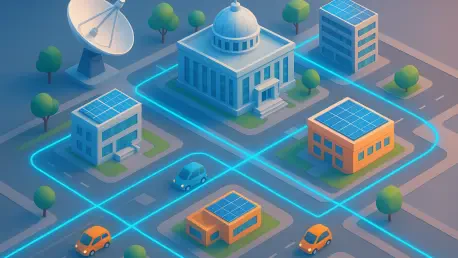

The move to trim maintenance and other operating expenses to 2.944 trillion pesos demonstrates a commitment to operational efficiency amidst a rising total national expenditure. This strategic reallocation of resources aims to ensure that every peso is directed toward high-impact projects that stimulate the economy and improve the quality of life for citizens across the archipelago. This substantial increase in the total budget ceiling reflects a calculated risk intended to accelerate the Build Better More program, which remains a cornerstone of the national strategy. The administration’s focus on streamlining government functions allows for a larger portion of the treasury to be dedicated to tangible assets like bridges, railways, and public utilities. Furthermore, the 2027 proposal integrates advanced fiscal tracking technologies to ensure transparency in how these funds are dispersed across various local government units. As the country moves through the 2026-2028 period, the emphasis on productivity-enhancing expenditures is expected to narrow the fiscal deficit while boosting the gross domestic product. This approach underscores a departure from traditional spending patterns, favoring a lean financial framework that supports a rapidly evolving emerging market.
Investment in Infrastructure and Digital Connectivity
The lion’s share of the proposed 2027 budget is earmarked for massive infrastructure projects that serve as the backbone of the Philippine economy. With a focus on decentralizing economic activity away from Metro Manila, the government is funneling billions into the Mindanao Railway Project and the expansion of several regional airports. These initiatives are not merely about physical connectivity; they are designed to reduce logistics costs for farmers and local manufacturers, thereby making Filipino products more competitive in the global market. The transition toward green infrastructure is also evident, with significant portions of the 2027 funds allocated for renewable energy integration and disaster-resilient urban planning. By investing in these durable assets now, the government aims to create a multiplier effect that generates millions of jobs and attracts multinational corporations looking for stable operating environments. This commitment to physical growth is a clear signal to the international community that the Philippines is open for business.
Digital transformation occupies a central role in the 2027 fiscal strategy, as the administration recognizes that high-speed connectivity is just as vital as paved roads. A portion of the budget is dedicated to the National Broadband Program, which seeks to bridge the digital divide in remote provinces and enhance the efficiency of e-governance platforms. By digitizing public records and streamlining permit processes, the government expects to drastically reduce the bureaucratic friction that often hampers local entrepreneurship. This technological push is supported by the 2026 to 2028 roadmap, which emphasizes cybersecurity and data privacy as foundational elements of a modern economy. Furthermore, the integration of artificial intelligence in public sector management is slated to optimize resource allocation, ensuring that social subsidies reach the intended recipients with minimal leakage. This forward-looking investment in the digital landscape ensures that the workforce remains competitive in an increasingly automated world, while also fostering a culture of innovation within the public sector.
Promoting Socioeconomic Progress and Fiscal Stability
Education and healthcare remain the twin pillars of the 2027 fiscal strategy, receiving substantial allocations to ensure that the workforce is both healthy and skilled. The Department of Education is set to receive a significant boost to address the classroom shortage and upgrade the curriculum to meet the demands of the fourth industrial revolution, particularly through STEM laboratories. Concurrently, the 2027 budget proposal allocates unprecedented funds for the Universal Health Care Act, which includes building regional specialty centers for cardiology and oncology outside Metro Manila. These medical facilities are designed to provide equitable access to life-saving treatments, thereby reducing the burden on urban hospitals. By investing in human capital, the government is not only fulfilling a social contract but is also protecting the labor force from economic shocks associated with public health crises. This dual approach ensures that the nation builds a resilient and productive society capable of sustaining long-term growth across all sectors from 2026 to 2028.
Legislators and economic managers took decisive steps to ensure that the 2027 budget was not just a list of expenses but a strategic investment in the nation’s future. They prioritized fiscal transparency and accountability, creating mechanisms for real-time monitoring of project implementation. This proactive stance suggested that the success of the fiscal plan depended on the seamless cooperation between the national government and local units. Moving forward, the private sector must be encouraged to participate in public-private partnerships to bridge the funding gap in infrastructure and technology. Policymakers emphasized that the true impact of this budget would be measured by its ability to reduce poverty and create high-quality jobs for the growing population. The implementation of these financial strategies provided a clear blueprint for regional peers to follow when balancing rapid development with fiscal discipline. Ultimately, the lessons learned from this budget cycle offered valuable insights into how emerging economies could leverage public spending to navigate a volatile global landscape.