
The modern logistics landscape is undergoing a profound transformation as the singular focus on speed and quarterly profits gives way to a more holistic approach that prioritizes environmental stewardship and long-term viability. For decades, the engine of international commerce ran on a model that treated the planet as an inexhaustible resource, often ignoring the ecological footprint left by massive container ships and sprawling road networks. Today, however, a shift in global priorities has forced companies to reconsider their operational foundations, moving sustainability from a niche corporate social responsibility report into the core strategic decision-making process. Between increasingly stringent international pollution regulations and a new breed of investors who demand rigorous green accountability, the industry is seeing a total reimagining of how goods are moved across borders. This shift is not merely about optics but represents a fundamental change in the technology and policies that keep global supply chains from inflicting irreparable harm.
The Challenge: Quantifying the Ecological Burden of Global Logistics
Maritime Emissions: The Massive Scale of Shipping Pollution
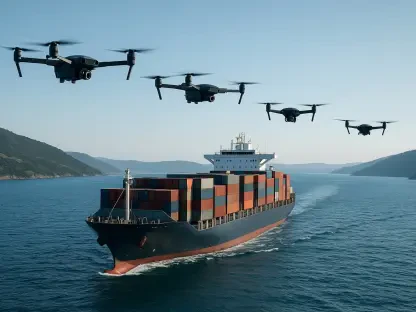
The environmental impact generated by the continuous movement of goods across the globe remains one of the most significant challenges for the modern industrial age. Because a vast majority of international trade relies on maritime transport, the carbon footprint of the shipping sector is both immense and difficult to mitigate without radical systemic change. Large-scale container vessels are remarkably efficient at moving thousands of tons of cargo, yet their reliance on heavy fuel oils has contributed significantly to global sulfur and nitrogen oxide emissions. As global consumption continues to rise, the pressure on marine ecosystems intensified, leading to a critical juncture where the scale of operations began to outpace natural recovery. This environmental reality serves as a primary motivator for the development of new propulsion technologies and stricter international standards designed to curb the historical reliance on carbon-intensive fuels. Efforts are now focused on neutralizing these legacy impacts through tech adoption.
Urban Congestion: Addressing Last-Mile Delivery Inefficiency
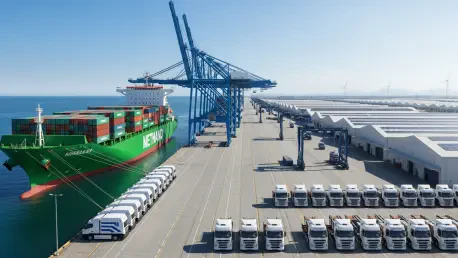
Beyond the open ocean, the logistical complexities on land present a different but equally urgent set of environmental hurdles for modern supply chain managers. Heavy-duty trucks used for last-mile delivery remain heavy contributors to localized air pollution and carbon output, particularly in densely populated urban centers where traffic congestion is frequent. Furthermore, the industry faces a systemic problem with “deadheading,” where trucks and shipping containers travel empty over long distances just to be repositioned for their next assignment. This operational inefficiency represents a massive waste of energy and resources that serves no economic or social purpose. At the same time, port facilities often act as bottlenecks where ships and trucks sit idling for extended periods, burning fuel while stationary. Outdated warehouse infrastructure further compounds the problem by using energy-inefficient cooling and heating systems that contribute to a building’s overall carbon footprint during long-term storage.
Technological Shift: Breakthroughs in Green Propulsion and Manufacturing Systems
Marine Energy: Transitioning to Methanol and Shoreside Power
Addressing these systemic challenges requires a multi-pronged approach that combines immediate operational changes with long-term technological investments in green infrastructure. In the maritime sector, companies have increasingly adopted “slow steaming” practices, which involve reducing the speed of cargo vessels to achieve significant fuel savings and emission reductions. Beyond operational adjustments, the transition toward alternative fuels such as green methanol and ammonia has gained substantial momentum as viable replacements for traditional bunker fuel. Modern port facilities are also being redesigned to support shoreside power systems, allowing ships to plug into the local electrical grid while docked instead of relying on their auxiliary engines. This development significantly reduces the noise and air pollution typically associated with major trade hubs. Meanwhile, a strategic shift toward rail transport for inland freight provides a lower-emission alternative to long-haul trucking, bridging the gap between coastal ports effectively.
Terrestrial Innovation: Hydrogen Fuel Cells and Green Production
On the terrestrial side of the supply chain, the electrification of heavy freight is seeing significant advancements despite the inherent difficulties of powering large trucks with batteries. Extensive research and development have been channeled into hydrogen fuel cell technology, which offers the range and refueling speed necessary for demanding logistics schedules without the weight penalties of traditional batteries. This technological push is being supported by the expansion of specialized charging and refueling networks along major trade corridors. Parallel to transportation, the manufacturing sector is undergoing its own green revolution to ensure that products are sustainable before they even enter the distribution phase. Key industries such as steel and aluminum production are exploring the use of green hydrogen to replace coal-based processes, effectively lowering the embodied carbon of the materials themselves. This holistic view ensures that the sustainability of a product is accounted for throughout its entire lifecycle.
Strategic Transparency: Data Integrity and the Economic Logic of Green Trade
Information Systems: Real-Time Monitoring and Carbon Accounting
The current evolution of sustainable trade is underpinned by a newfound commitment to data transparency and the professionalization of environmental impact reporting. Organizations can no longer rely on vague estimates of their carbon footprint; instead, they are being driven by institutional investors and regulatory bodies to provide granular, verifiable data. This demand has sparked a surge in specialized supply chain software that utilizes real-time monitoring and advanced analytics to track emissions at every node of the logistics network. By gaining visibility into the specific stages where energy is wasted, companies can make informed decisions about which partners to work with and which routes to prioritize. This data-centric approach removes the guesswork from sustainability efforts and provides a clear framework for accountability that was previously absent from international commerce. The ability to demonstrate a low-carbon footprint has become a competitive advantage, allowing firms to differentiate themselves in a crowded marketplace.
Market Resilience: Financial Incentives and Carbon Tax Protection
Ultimately, the transition toward greener logistics is being accelerated by clear economic logic that aligns environmental goals with the corporate bottom line. Reducing fuel consumption and minimizing secondary packaging waste does not just mitigate ecological damage; it directly translates into lower operational costs and improved profit margins. Businesses that proactively adopt these practices are better positioned to navigate the complexities of future carbon taxation and international environmental levies that are beginning to take effect from 2026 to 2030. By auditing their logistics partners and focusing on maximum route efficiency, these organizations build a supply chain that is resilient against both resource scarcity and regulatory shifts. Major retailers are increasingly prioritizing suppliers who can prove their green credentials, making sustainability a prerequisite for market access. This convergence of financial health and environmental responsibility ensures that the shift is not a passing trend but a permanent structural change.
Future Roadmap: Implementing Long-Term Strategies for Sustainable Commerce
Collaborative Standards: Global Metrics and Workforce Reskilling
The path forward for global trade required a comprehensive reevaluation of how partnerships were formed and how infrastructure was maintained across international borders. Stakeholders prioritized the adoption of standardized carbon accounting metrics to ensure that every participant in the supply chain operated from a shared baseline of environmental truth. Investments were redirected toward modular logistics hubs that allowed for seamless transitions between rail, sea, and electric road transport, minimizing the downtime and energy waste that once defined traditional shipping. Corporations took decisive action by phasing out older, inefficient assets in favor of multi-fuel engines and smart warehouse technologies that optimized energy usage through automated climate control. By integrating environmental performance into the core of procurement contracts, the industry established a self-reinforcing cycle of improvement that rewarded innovation and penalized stagnation. These deliberate steps provided a blueprint for a trade ecosystem that balanced growth with the requirement for preservation.
Universal Equity: Closing the Sustainability Gap in Emerging Markets
International trade associations recognized that the transition could not be achieved in isolation, leading to the creation of collaborative frameworks that shared best practices across competitive boundaries. These organizations prioritized the reskilling of the workforce, ensuring that logistics professionals were equipped to manage the complexities of green energy systems and digital tracking tools. By fostering an environment of shared responsibility, the global market moved away from the fragmented approach of previous decades toward a unified standard of ecological integrity. Governments incentivized this progress through grants and tax credits that specifically targeted the adoption of carbon-neutral technologies in emerging economies, preventing a sustainability gap between different regions. As these initiatives took hold, the definition of success in global trade was redefined to include not just financial prosperity but also the measurable restoration of the natural world. This strategy ensured that the logistical networks of the world operated in harmony with the planet.