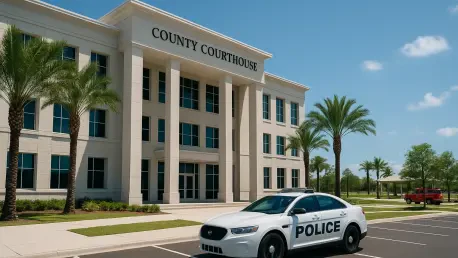

County administrators across Florida are currently evaluating their ability to maintain public safety and basic services in the face of a projected twelve-billion-dollar revenue contraction over the next biennium. This proposed constitutional amendment, once a cornerstone of the state’s legislative agenda, has become a polarizing focal point as the November election nears. Originally championed by Governor Ron DeSantis as a mechanism for tax relief, the measure now stands at a crossroads, complicated by a lack of executive promotion. The Governor has largely stepped back from the campaign trail, leaving the policy to face scrutiny without a high-profile advocate. This shift in political dynamics has created a significant leadership vacuum just as voters weigh the long-term implications of an expanded homestead exemption. As the debate intensifies, the distance between the original intent and the current ballot language reveals a deepening rift within the state fiscal strategy.
Fiscal Realities and Local Resistance
Economic Risks: Impact on Municipal Treasuries
State financial analysts have provided sobering projections regarding the immediate impact of increasing the homestead exemption to a potential $250,000 ceiling by 2028. This move is designed to provide substantial relief to primary homeowners, yet the collective cost to municipal treasuries is estimated at nearly twelve billion dollars within the first two years of implementation. Local government advocacy groups have sounded the alarm, suggesting that such a rapid contraction of the tax base could force a restructuring of fundamental community services. While the promise of lower tax bills is naturally appealing to individual residents, the broader economic consequences involve a potential reduction in the maintenance of public infrastructure. Critics argue that the erosion of local funding mechanisms creates a zero-sum game where personal savings are eventually offset by a decline in the quality of the surrounding environment. Consequently, the fiscal stability of Florida’s fastest-growing regions hangs in the balance as voters navigate these competing interests.
Community Consequences: The Price of Tax Reform
The divergence between legislative ambition and local financial reality has led to a growing wave of resistance from city councils and county commissions across the state. These officials contend that the amendment does not account for the rising costs of insurance, construction, and administrative overhead that they must manage in a high-growth environment. By placing a rigid cap on potential revenue, the state may inadvertently hinder the ability of local leaders to address unique regional challenges such as coastal flooding or rapid urban expansion. Furthermore, the reliance on property taxes to fund essential non-emergency services means that even minor fluctuations in the tax code can lead to significant budgetary gaps. This tension highlights a fundamental disagreement over whether property tax reform should be a top-down mandate or a flexible framework that respects the diversity of Florida’s local economies. Without a clear plan to replace the lost revenue, many municipalities are preparing for a period of austerity.
Public Safety: Evaluating the Cost of Security
Law enforcement officials have emerged as some of the most vocal critics of the amendment, expressing deep concerns over the long-term viability of public safety budgets. Polk County Sheriff Grady Judd has specifically warned that the projected revenue losses could be catastrophic for smaller, rural counties that lack a diversified tax base. These jurisdictions often rely almost exclusively on property taxes to fund sheriff’s offices, correctional facilities, and emergency medical response teams. If the amendment passes, these agencies may be forced to implement hiring freezes, reduce patrol presence, or delay the procurement of critical technology and equipment. The risk is not merely academic; it represents a potential decline in the state’s ability to respond to crises and maintain law and order. By framing the tax cut as a direct threat to the safety of Florida families, law enforcement leaders have shifted the conversation from simple economics to the core responsibilities of government. This perspective has forced many voters to reconsider the risk.
Emergency Response: Risks to Local Infrastructure
The debate over public safety extends beyond the immediate concerns of law enforcement to encompass the broader spectrum of emergency services, including fire rescue and disaster preparedness. Local fire districts, which operate on thin margins, are particularly vulnerable to the sudden removal of property tax revenue that the amendment would trigger. As Florida continues to face threats from natural disasters and rapid population growth, the demand for these services is at an all-time high. Reducing the financial capacity of these agencies could lead to longer response times and a decrease in the quality of life for residents who depend on rapid intervention. Moreover, the amendment’s potential to wipe out essential portions of municipal budgets could leave cities unable to match federal grants for infrastructure hardening or search-and-rescue operations. This creates a precarious situation where the state’s resilience is compromised in exchange for short-term fiscal relief and homeowners’ savings.
Legal Friction and Electoral Hurdles
Ballot Integrity: Judicial Reviews of Policy Language
The path to the ballot box was complicated by significant legal challenges that called into question the transparency of the legislative process. A circuit judge recently issued a ruling that the original ballot title and summary were legally defective, noting that the language used was inherently biased and lacked the necessary objectivity for a constitutional change. The court’s decision highlighted that the proposed summary acted more as a persuasive political advertisement than a clear explanation of the policy’s mechanics. This judicial intervention forced the Attorney General to undertake a comprehensive rewrite of the language to ensure that voters receive a factual and neutral description of the amendment’s effects. Such legal friction has cast a shadow over the measure, leading many to question if the initial presentation was designed to obscure the potential downsides of the tax overhaul. The requirement for clear and unambiguous ballot language is a cornerstone of the Florida electoral system.
Sustainable Paths: Future Considerations for Fiscal Reform
The intense debate surrounding the property tax amendment highlighted the urgent need for a more sustainable approach to municipal funding that did not rely solely on property valuations. Policymakers recognized that simply cutting revenue without addressing the rising costs of public safety and infrastructure was an incomplete strategy. Moving forward, the most effective path involved exploring diversified revenue streams, such as expanded sales tax options or state-level grants, to offset the potential losses from homestead exemptions. It became clear that any successful reform required a collaborative framework between state leaders and local administrators to ensure that basic services remained uninterrupted. Leaders should now prioritize the development of a comprehensive fiscal impact study that accounts for the unique needs of both urban and rural counties before proposing further constitutional changes. By fostering a transparent dialogue, the state moved toward a more balanced model of tax relief.