
The Intersection of Connectivity and National Sovereignty
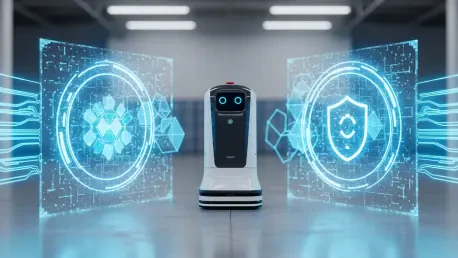
The global shift toward automated systems has turned once-simple mechanical tools into sophisticated nodes within a vast, interconnected digital landscape that demands constant oversight. The recent decision by the Federal Communications Commission in July 2026 to block the authorization of new foreign-made mobile robots and connected power inverters marks a watershed moment in national security policy. This regulatory shift signals a growing recognition that the very devices designed to increase efficiency and sustainability can also serve as conduits for state-sponsored surveillance or infrastructure sabotage. By placing these technologies on the “Covered List,” the federal government is taking a proactive stance against vulnerabilities inherent in the globalized electronics market. This analysis explores the motivations behind these restrictions, the specific risks posed by advanced robotics, and what this means for the future of American technological infrastructure.
From Telecommunications to Hardware: The Evolution of the FCC Covered List
The concept of a “Covered List” is not new, but its scope has undergone a dramatic transformation over the last decade. Historically, federal oversight focused heavily on telecommunications giants, centered on the fear that foreign entities could compromise the backbone of the American internet. However, as the Internet of Things has expanded to include everything from consumer drones to industrial power systems, the definition of a security risk has broadened significantly. Industry shifts toward renewable energy and autonomous systems have introduced new hardware into the domestic ecosystem that is more sophisticated and more connected than ever before. Understanding this historical trajectory is essential because it illustrates that the current ban on robots and inverters is not an isolated event, but rather the latest phase in a long-term strategy to insulate critical supply chains from geopolitical volatility and remote manipulation.
Analyzing the Vulnerabilities of Networked Hardware
The Grid at Risk: Why Power Inverters Are Strategic Targets
As the United States transitions toward a renewable energy grid, power inverters have become essential infrastructure for converting direct current from solar panels into alternating current. However, their reliance on remote connectivity for monitoring and load balancing creates a significant attack vector for malicious actors. Security assessments indicate that foreign-produced inverters could be exploited to disrupt power supplies on a massive scale or provide a backdoor for cyberattacks against the broader electric grid. The risk is not merely theoretical; a coordinated disruption of power inverters could lead to localized blackouts or instability in the energy market, making these devices a high-priority concern for national defense agencies.
Robotics and the Dual Threat of Physical and Digital Breach
The rise of advanced robotics, including humanoid workers and quadruped machines, introduces a unique dual-threat profile for modern security. These machines are equipped with an array of sensors, cameras, and microphones designed to navigate and interact with their environment in real time. When these devices are networked to foreign servers, there is a legitimate concern that the sensitive sensory data they collect could be intercepted for industrial espionage. Beyond data theft, there is the alarming possibility of kinetic manipulation where an external actor gains control over the robot’s physical movements. In a factory or a public space, a compromised robot could cause physical damage or safety hazards, turning a productive tool into a liability.
Regulatory Scope and the Expansion of Oversight Mandates
One of the most significant aspects of the latest mandate is its shift from targeting specific companies to targeting entire categories of technology. By focusing on foreign-made mobile robots and connected inverters regardless of the manufacturer, the government is acknowledging that the risk is often systemic rather than brand-specific. This category-wide approach follows similar restrictions placed on foreign-made drones and routers in years past. While the regulation applies to new models—allowing existing hardware to remain in service—it creates a rigorous barrier for any new foreign entrants. The availability of “Conditional Approval” pathways suggests that the future of the market will depend on a rigorous framework for hardware verification.
The Road Ahead: Anticipating a Decoupled Technological Ecosystem
As the federal government tightens its grip on the technology market, a significant shift in the domestic manufacturing landscape is expected. The move toward decoupling from foreign tech providers is likely to spur innovation within the United States and among its close allies as businesses seek compliant alternatives. We will likely see the rise of secure-by-design certifications and more stringent transparency requirements for software supply chains. Economically, this may lead to higher initial costs for robotics and renewable energy components, but proponents argue that the long-term benefit of a resilient and secure infrastructure far outweighs these short-term financial hurdles. Future regulations may eventually extend to other sectors, such as autonomous vehicles or medical devices, as the definition of critical infrastructure continues to expand.
Navigating the New Compliance Landscape for Businesses and Consumers
For businesses and consumers currently utilizing foreign-made technology, the immediate priority is to understand the distinction between legacy equipment and new authorizations. Since the ban applies exclusively to new models, current inventories of previously approved hardware can still be maintained and sold. However, organizations should conduct a comprehensive audit of their networked hardware to identify potential vulnerabilities. Moving forward, procurement strategies should prioritize machines with conditional approval status or domestic alternatives to ensure long-term support and compliance. Best practices now include implementing isolated networks for high-risk hardware and maintaining rigorous firmware update schedules to patch known vulnerabilities. By adopting a proactive security posture, businesses can protect themselves from both regulatory scrutiny and potential cyber threats.
Securing the Digital Frontier in an Era of Globalized Risk
The FCC decision to restrict foreign robots and power inverters signaled that the boundary between digital security and national security permanently dissolved. As these technologies became deeply integrated into American life, the risks associated with remote connectivity and foreign production grew too large to ignore. This policy shift represented a necessary evolution in how the nation defended its critical infrastructure and private data in a fractured geopolitical landscape. Ultimately, the significance of this topic rested on the balance it struck between fostering technological progress and ensuring that the machines relied upon were not used as weapons. Staying informed and adaptable remained the key for any stakeholder operating in this new, security-conscious era of innovation and industrial automation.