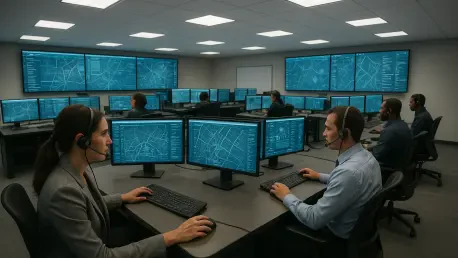

Austin is moving toward a civilianization of public safety services by transferring 911 operations away from law enforcement oversight and into the hands of a dedicated executive-level supervisor. This significant shift comes after years of public debate regarding the role of police in administrative tasks and the need for a more specialized response to community calls. By decoupling emergency communications from the police department, the city aims to foster a more transparent and accountable system that prioritizes technical efficiency over law enforcement tradition. The City Council’s approval of this plan includes a substantial financial allocation intended to build the infrastructure of a standalone office. This new department will operate independently, reporting to the City Manager rather than the police chief, which marks a fundamental change in how the municipality handles its most critical front-line interactions with residents in distress. The goal is to ensure that the initial point of contact for every emergency is neutral and professional.
Moving Toward Structural Reform
Addressing Regional Inefficiency: Streamlining Borders
One of the most pressing challenges addressed by this structural overhaul is the persistent delay caused by jurisdictional overlaps along the northern boundaries of the city. For residents living near the lines of Travis and Williamson counties, or within various school district zones, a simple 911 call has often turned into a frustrating series of transfers between different dispatch centers. These technical bounces happen because existing systems prioritize police patrol sectors rather than the most immediate geographic location of the caller. By centralizing operations under a civilian office, the city expects to implement a more unified routing system that bypasses these antiquated boundary disputes. The new director will be tasked with negotiating inter-local agreements that standardize how calls are handled across various local governments. This focus on regional interoperability is intended to save precious seconds during life-threatening events, ensuring that the closest available resource is dispatched immediately for the public.
Specialized Response: Prioritizing Mental Health Services
A central pillar of the civilianization effort is the enhancement of the right agency response model, particularly for calls involving mental health crises. Historically, police-led dispatch centers have defaulted to sending armed officers to scenes that might be better managed by clinicians or medical professionals. This default setting often stems from a lack of specialized training for call-takers who are integrated into a law enforcement culture. By shifting these operations to a standalone civilian office, the city plans to implement specialized training protocols that empower operators to identify signs of psychological distress early in the call. These dispatchers will be trained to divert non-violent health emergencies to clinicians rather than patrol units, reducing the potential for escalation and ensuring that residents receive appropriate care. This strategic shift not only protects the public but also allows police officers to focus their energy on high-priority safety threats that require an armed response.
Diversifying Emergency Resources: Community Outcomes
The organizational change also addresses the need for a more diverse set of response options that go beyond the traditional police, fire, and medical silos. With an independent director at the helm, the city can more easily integrate community-based response teams and social service agencies into the dispatch loop. This holistic approach recognizes that many emergencies are the result of systemic social issues that law enforcement is not equipped to solve. By establishing a neutral department, the city creates a platform where different types of responders can coexist and be deployed based on the specific needs of the situation. This flexibility is essential for rebuilding trust within communities that have historically felt over-policed. The move toward a civilian model signals a commitment to treating public safety as a broad discipline that includes health and wellness. As the new office takes shape, the focus will remain on developing a nuanced system that values life and dignity above all else.
Evaluating Performance and Operational Risks
Analyzing Recent Performance: Data vs. Reform
While the move toward a civilian office is driven by a desire for reform, it faces scrutiny from those who look at recent improvements within the existing police-run system. A critical audit in 2024 revealed that dispatch response times were falling short of national standards, largely due to high vacancy rates. However, since the beginning of 2026, the police department has seen a notable turnaround in its staffing levels and performance metrics. Increased pay and targeted recruitment efforts have brought the dispatch center closer to full capacity, leading some city leaders to question whether a total reorganization is necessary. Critics argue that the system was broken due to a lack of resources rather than a flawed structure, and that creating a new department might derail the progress currently being made. They point to the fact that call response times have stabilized, suggesting that the existing leadership is capable of managing the center if provided with the necessary support and personnel.
Navigating Administrative Risks: Information Silos
One of the primary operational concerns raised by police and fire officials is the potential for communication silos to develop between separate departments. In the current model, dispatchers work in close proximity to the officers and first responders they support, fostering a culture of mutual understanding and shared mission. Moving dispatch to a separate civilian-led agency could introduce new layers of bureaucracy that hinder the rapid flow of information during critical incidents. For example, during a high-speed chase or an active shooter event, every second of delay in communication can have catastrophic consequences. Safety advocates warn that adding administrative distance between the call-taker and the responder might lead to misunderstandings or a lack of situational awareness. Maintaining a unified command structure is essential for ensuring that everyone involved in a response is operating from the same set of facts and priorities to keep the community and field personnel safe.
Strategic Integration: Implementation and Future Goals
The City of Austin officially initiated the administrative process to stand up the new civilian-led 911 office, with a target implementation date coinciding with the start of the new fiscal cycle in October. The City Manager’s office began the recruitment process for the first civilian director, seeking a candidate with expertise in both emergency communications and organizational management. This individual was responsible for defining the department’s culture and establishing new training standards. Legal teams drafted the necessary ordinances to codify the department’s authority and independence. These foundational steps were taken to ensure that the new office had the resources required to operate effectively. By prioritizing the selection of a qualified leader early in the process, the city demonstrated a commitment to building a professional organization. The lessons learned during this reorganization will serve as a blueprint for other cities seeking to balance modern emergency response with the need for systemic reform.