
Escaping the trap of self-inflicted stagnation requires moving away from the heavy hands of urban renewal toward a model that grants the community a voice but not a veto. This shift represents a fundamental realignment in how American cities approach growth and stability in 2026. For many decades, the national ethos was defined by a relentless drive for expansion, yet that energy has increasingly been smothered by a thicket of regulatory hurdles and hyper-local opposition. The ghost of mid-century planning still haunts these discussions, as the top-down methods of previous eras created a deep-seated skepticism toward any major infrastructure changes. To move forward, it is necessary to acknowledge that while the “can-do” spirit of the past built iconic landmarks, its disregard for local sentiment necessitated the protections currently in place. However, the current state of affairs suggests that these protections have evolved into a “growth machine” in reverse, where the default answer to any new project is a resounding no, leading to economic paralysis.
The Rise of Local Obstructionism: The Impact of the Heckler’s Veto
The mechanics of modern community engagement have largely devolved into a venue for what sociologists call the “heckler’s veto,” where the loudest and most persistent voices dictate policy. In countless zoning board meetings across the country, the participants are rarely a representative cross-section of the actual community; instead, they are often older, wealthier, and more established residents with a vested interest in maintaining the status quo. This unrepresentative dynamic creates a significant barrier to the development of essential infrastructure, such as transit lines and high-density housing, that would benefit the broader public. When a small group of activists can effectively halt a multi-million-dollar project through endless appeals and procedural delays, the democratic process is not being served—it is being exploited. This system incentivizes a culture of obstructionism, where the immediate discomfort of a few neighbors outweighs the long-term strategic needs of the entire regional economy.
Beyond the social friction of public meetings, the tangible consequences of this “veto-by-default” model are visible in the plummeting rates of housing affordability and the rise of urban sprawl. When established neighborhoods successfully block “upzoning” or the construction of multi-family units, they essentially build a wall around their local amenities, forcing young families and essential workers to seek housing in ever-distant exurbs. This displacement creates a cascade of negative effects, including grueling commutes that diminish productivity and an increased strain on regional transportation networks. Furthermore, by preventing the natural influx of new residents, these areas risk becoming stagnant demographic enclaves, or “informal retirement communities,” where local businesses fail due to a lack of a working-age population. The inability to expand housing supply in high-demand areas is a self-inflicted wound that limits the upward mobility of the next generation and keeps the national economy from reaching its full potential.
Navigating Competing Ideologies: Market Efficiency and Cultural Preservation
The debate over American development is often characterized by a clash between the libertarian-leaning “Yes In My Backyard” (YIMBY) movement and traditional preservationists. YIMBY advocates argue from a position of market efficiency and property rights, asserting that landowners should have the freedom to develop their property to meet the soaring demand for housing. While this perspective is logically sound from an economic standpoint, it frequently fails to account for the genuine aesthetic and cultural anxieties of existing residents. For many people, a neighborhood is not merely a collection of real estate assets but a lived environment with a specific character and historical identity. When developers prioritize cost-minimized, generic designs—such as the ubiquitous “five-over-one” apartment blocks—they inadvertently fuel the very opposition they seek to overcome. A successful model for growth must therefore find a way to respect the visual and social fabric of a community while still allowing for the density required by a modern economy.
Conservatives, in particular, find themselves at a crossroads in this development struggle, caught between a reverence for tradition and a commitment to economic vitality. There is an innate human impulse to protect the “old and familiar,” whether it is a beloved local grocery store or the architectural harmony of a historic streetscape. However, sacralizing the current state of a city as an immutable museum piece leads to a society preserved in amber, which eventually becomes unable to support its own children. True conservation should not mean a permanent freeze on building; rather, it should involve the careful stewardship of a community’s essence while allowing it the flexibility to adapt. If a town cannot build homes for its teachers, firefighters, and the children of its current residents, it is failing in its primary duty of self-perpetuation. Balancing these interests requires a nuanced approach that moves away from reflexive opposition toward a strategy that views new development as a necessary evolution of a healthy and living society.
Strategies for Productive Synthesis: Smoothing the Path to Approval
One of the most effective ways to bridge the gap between developers and concerned citizens is to prioritize aesthetics and traditional architectural standards. Research consistently demonstrates that a significant majority of the public—often between 70 and 90 percent—prefers classical and traditional designs over the stark, modern styles that dominate contemporary construction. By adopting “form-based codes” that mandate high-quality materials and architectural styles that harmonize with the existing neighborhood, municipalities can drastically reduce the psychological friction associated with new density. Some cities have successfully implemented “fast-track” approval processes for any developer willing to adhere to these pre-approved aesthetic guidelines. This approach transforms the development process from a battle of wills into a collaborative effort where the community receives a more beautiful environment in exchange for allowing growth. When a new building looks like it has always belonged in the neighborhood, the impulse to block it is significantly diminished.
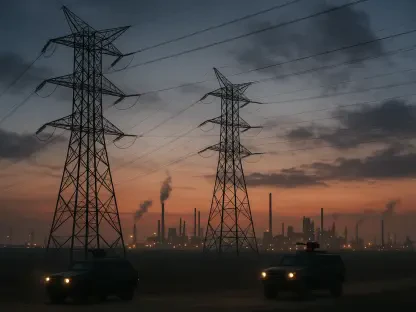
In addition to aesthetic considerations, developers must address the economic externalities that often trigger local resistance, particularly when it comes to large-scale infrastructure like data centers or energy projects. In recent years, forward-thinking companies have begun offering “ratepayer protection pledges” to ensure that their massive energy and water requirements do not lead to increased utility costs for the local population. By proactively negotiating community benefit agreements, such as funding for local schools or the creation of public parks, developers can frame their projects as positive-sum outcomes rather than intrusive disruptions. Furthermore, emphasizing the localized economic benefits—such as the boost to nearby property values that often accompanies well-integrated, small-scale density—helps to change the narrative from one of loss to one of gain. When residents see tangible proof that development will improve their quality of life and financial stability, they are far more likely to support the projects necessary for the country’s continued modernization.
Redefining the Governance of Growth: Systems of Democratic Reform
Solving the problem of stagnation requires a sophisticated recalibration of the power balance between state and local authorities. While local control is a hallmark of American governance, the current system often allows municipal zoning to override regional or national priorities, such as the construction of an interstate power grid or the creation of an adequate housing supply. Some states have begun to implement legislative frameworks, similar to the historical precedents seen in regions like Massachusetts or Texas, that empower the state to intervene when local housing goals are consistently ignored. These interventions are not intended to strip cities of their autonomy, but rather to ensure that the collective “no” of several small jurisdictions does not result in a statewide economic crisis. By setting clear, mandatory targets for development while leaving the specific implementation to local boards, policymakers can maintain a degree of community influence while ensuring that the broader needs of the public are no longer held hostage by hyper-local concerns.
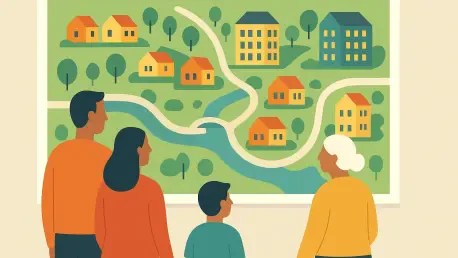
Ultimately, the path forward does not involve a return to the unchecked, “Great Man” style of planning personified by figures like Robert Moses, but rather a technocratic and democratic refinement of how growth is managed. The goal is to move from a “veto-by-default” model toward a system oriented toward growth as well as stability. This requires a fundamental reform of the public input process itself, shifting away from adversarial zoning hearings toward more inclusive, digital-first engagement that captures the views of the entire community, not just the vocal minority. Modern development must be recognized as a continuous, managed process that requires constant adjustment rather than a series of one-off battles. By creating a framework that values beauty, protects economic interests, and prioritizes the needs of the future, American society can foster the building booms necessary for a thriving 21st century. Reframing the debate in this way allows the nation to rediscover its identity as a place that builds, while ensuring that the community bonds remain strong.
Recommendations for Urban Resilience: Actionable Steps for the Future
The transition toward a more balanced development model required a significant shift in both policy and public perception. Leaders across the country prioritized the creation of “by-right” zoning laws, which allowed projects to proceed without lengthy discretionary reviews if they met pre-established community standards. Cities successfully integrated traditional architectural requirements into their local codes, which effectively mitigated the visual anxieties of long-term residents and reduced the frequency of legal challenges. Developers also played a crucial role by adopting transparent communication strategies and offering concrete economic protections that ensured local utility rates remained stable despite increased demand. Furthermore, the implementation of state-level oversight provided a necessary check on exclusionary zoning practices, ensuring that regional growth targets were met. By focusing on these tangible improvements, planners fostered a renewed sense of progress that valued the past while aggressively building for the next generation.
Local governments further addressed the stagnation by reforming the public hearing process to emphasize data-driven feedback over anecdotal opposition. They utilized digital platforms to gather input from a wider demographic, ensuring that the voices of younger workers and families were heard alongside those of established property owners. This broader engagement helped to demystify new construction and highlighted the long-term benefits of increased density, such as improved public transit and vibrant local commerce. Educational initiatives also informed the public on how strategic development actually preserved the essence of their neighborhoods by providing the revenue needed for infrastructure repairs and park maintenance. As these strategies took root, the national landscape shifted from a state of regulatory paralysis to one of productive expansion. The nation ultimately proved that it was possible to honor the legacy of the past while simultaneously constructing the modern facilities and housing required to maintain its standing as a global leader in innovation.