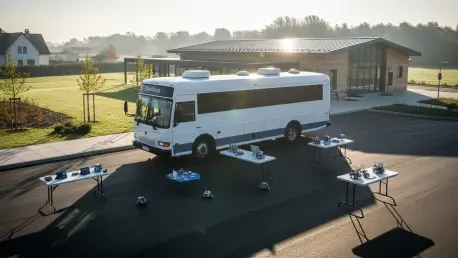

The arrival of a sleek, high-tech bus in a remote Virginia school parking lot represents more than just a novelty; it signifies a pivotal shift in how the Commonwealth addresses the growing digital divide among its youth. Traditionally, students in underserved urban centers and sprawling rural districts have struggled to find consistent access to the specialized tools and mentorship required to excel in the competitive cybersecurity landscape. The launch of the RFK Outreach mobile bus marks a departure from stationary education models, transforming the concept of a classroom into a dynamic, mobile asset capable of reaching students in their own neighborhoods. By prioritizing accessibility, this initiative ensures that geographic location and socioeconomic status are no longer the primary predictors of a child’s technical proficiency. This year-round mobile strategy reflects a sophisticated understanding of the modern economy, recognizing that the rapid pace of technological change demands educational delivery systems that are as agile and adaptive as the digital threats they seek to combat. As Virginia positions itself as a global leader in technology and defense, programs like this provide the necessary infrastructure to cultivate a diverse and capable workforce from within its own borders, fostering an environment where every student has the chance to thrive regardless of their physical address or financial background.
Foundations of Expertise: The Military Influence on Modern Education
The driving force behind this ambitious mobile laboratory is the husband-and-wife duo of Kimberly and Ricardo Frost, whose combined decades of experience in the United States military have shaped the organization’s rigorous approach to cybersecurity education. Having spent their careers at the forefront of national security and digital defense, the Frosts founded RFK Outreach to address a critical gap they observed in the domestic talent pipeline. Their parent company, RFK Solutionz Corporation, provides the structural and technical foundation for the nonprofit’s mission, allowing them to translate complex military-grade concepts into engaging, age-appropriate curricula for middle and high school students. This transition from active duty to community leadership demonstrates a profound commitment to public service, as they leverage their professional backgrounds to empower the next generation of digital citizens. By establishing a decade-long track record of success through summer camps and local workshops, the organization has proven that high-level technical skills can be taught effectively when presented through the lens of real-world application and mentorship.
The Frosts view their current efforts as a vital form of educational defense, arguing that securing the nation’s future begins with educating its children about the risks and rewards of the digital world. They believe that providing students with a strong foundation in cybersecurity is not just about career preparation but is a necessary component of personal and national safety in an increasingly interconnected world. By focusing specifically on middle and high schoolers, RFK Outreach targets a demographic that is both highly active online and at a critical stage for making long-term career decisions. The founders use their unique perspectives to demystify technology, showing students that the path from a classroom in Hampton Roads to a high-ranking position in the tech industry is entirely attainable with the right guidance. Their military-style discipline and focus on mission-driven outcomes have created a learning environment that emphasizes accountability, critical thinking, and technical mastery, ensuring that the students they reach are not only technically proficient but also socially responsible participants in the digital economy.
Strategic Funding: A Coalition of Public and Private Interests
The successful launch of the mobile cybersecurity bus was made possible through a strategic alignment of state legislative priorities and corporate social responsibility. A significant milestone in this journey was the securing of a $200,000 appropriation from the Virginia state budget, a move championed by Delegate Cliff Hayes, who has been a vocal advocate for bridging the digital divide in the Commonwealth. Hayes has consistently argued that as artificial intelligence and massive tech corporations continue to reshape the economic landscape, no community can afford to be left behind without risking long-term socioeconomic stagnation. This government funding served as a catalyst, signaling to other stakeholders that the mobile bus project was a high-priority initiative with the potential for substantial public impact. The involvement of state legislators underscores the recognition that digital literacy is a public good, essential for maintaining Virginia’s competitive edge and ensuring that all residents can participate in the state’s growing technology sector.
Complementing the state’s investment was a generous $180,000 contribution from Google, illustrating the power of public-private partnerships in addressing systemic educational challenges. This collaboration between a global tech giant and a local nonprofit highlights a growing consensus that the industry must play an active role in cultivating diverse talent from the ground up. The financial support from Google allowed RFK Outreach to outfit the bus with cutting-edge technology that would otherwise be cost-prohibitive for many school districts. High-profile endorsements from U.S. Senators Tim Kaine and Mark Warner have further elevated the project, providing the political capital necessary to sustain interest and secure future resources. This multi-layered funding model demonstrates how various sectors can work together to create innovative solutions for complex social issues, ensuring that the burden of educational reform does not fall solely on the shoulders of local school boards or individual organizations, but is instead shared by the broader community and the corporate world.
Removing Barriers: The Physical Impact of Mobile Classrooms
For many students living in rural areas or lower-income urban centers, the greatest obstacle to attending specialized technical programs is often as simple as the lack of reliable transportation. This “transportation tax” effectively bars talented individuals from participating in opportunities located at central university hubs or corporate headquarters, further entrenching the existing digital divide. The STEM Cybersecurity Mobile Bus directly addresses this logistical nightmare by bringing the entire classroom experience to the student, eliminating the need for parents to arrange travel or for students to rely on limited public transit. By parking directly at schools or community centers, the bus integrates technical education into the students’ daily lives, making it a visible and accessible part of their local environment. This shift in delivery method ensures that the curriculum is accessible to those who need it most, regardless of their family’s ability to navigate the complexities of regional transportation or the costs associated with commuting to distant training facilities.
Once students step inside the bus, they are introduced to a world of advanced technology that is rarely found in standard educational settings. The interior of the mobile lab is equipped with specialized tools such as drones, robotics kits, and high-performance computing stations, allowing for a level of hands-on engagement that theoretical textbooks simply cannot replicate. This practical exposure is critical for students who may have felt alienated by traditional STEM education, as it allows them to see the immediate results of their coding and troubleshooting efforts in real-time. By focusing on tangible technologies like drone flight or robotic movement, the program builds a sense of confidence and curiosity that can lead to a lifelong passion for technical fields. This approach is particularly effective for marginalized groups who have been historically underrepresented in tech, providing them with the high-quality resources and expert instruction necessary to bridge the gap between interest and professional proficiency, all within the familiar confines of their own school parking lot.
Regional Prosperity: Developing a Local Cybersecurity Workforce
One of the most persistent challenges facing the Virginia tech industry is the phenomenon known as “brain drain,” where the state’s brightest students often relocate to other tech hubs upon graduation in search of higher-paying or more prestigious roles. The mission of RFK Outreach seeks to counter this trend by establishing a local-first ecosystem for workforce development that begins in middle school and extends through professional placement. By engaging students at an early age and showing them the wealth of opportunities available within the Commonwealth, the program helps build a sense of loyalty and connection to the local economy. From 2026 to 2028, the state expects to see a significant expansion in tech-related jobs, and initiatives like the mobile bus are designed to ensure that Virginia residents are the ones filling those positions. This strategy not only benefits the individual students but also strengthens the state’s overall economic resilience by providing a steady stream of highly skilled workers for local businesses and federal agencies.
The success of this workforce development model is heavily reliant on collaborative mentorship, exemplified by the organization’s partnership with the Virginia Space Grant Consortium. This arrangement creates a unique vertical learning environment where college-age interns work alongside the Frosts and younger students, providing a clear and visible pathway from primary education to the professional world. These interns serve as relatable role models, demonstrating to middle and high school students that a career in technology is both attainable and rewarding. This mentorship structure ensures that the knowledge remains within the community, as older students pass their skills down to the next generation, creating a self-sustaining cycle of learning and professional growth. By focusing on these local connections and providing clear career trajectories, RFK Outreach is helping to build a robust tech culture in Virginia that encourages students to stay, work, and innovate within their home state, thereby securing the Commonwealth’s position as a premier destination for technological talent.
Sustainable Growth: Expanding the Mobile Lab Model Across the Commonwealth
The RFK initiative does not exist in a vacuum; it is part of a broader, statewide movement toward mobile educational labs, such as the GO TEC program that has already seen success in serving middle school students across various regions. These mobile units function as more than just classrooms; they serve as mobile training centers for teachers and administrators, ensuring that the impact of the technology lasts long after the bus has moved to its next location. By providing educators with professional development on the same equipment the students use, the program empowers schools to integrate modern cybersecurity concepts into their standard curricula. This collaborative approach between the mobile lab and the host school upgrades the overall educational capabilities of the district, creating a lasting legacy of technical literacy. The use of specialized equipment and reliable Wi-Fi on these buses provides a temporary but powerful boost to the digital infrastructure of schools that may otherwise struggle with outdated or insufficient technology.
Looking toward the future of the program, there is a clear roadmap for scaling the impact of RFK Outreach to reach even more students in different parts of Virginia. Plans are already underway to develop and deploy a second bus, a move necessitated by the overwhelming demand for accessible cybersecurity training and the organization’s desire to maintain a consistent presence in multiple regions. This expansion will allow the nonprofit to broaden its reach to the most remote corners of the Commonwealth, ensuring that the benefits of digital education are distributed equitably. As artificial intelligence and other emerging technologies continue to transform the job market at an unprecedented pace, these mobile classrooms will remain a vital tool for keeping students ahead of the curve. The organization’s commitment to continuous improvement and expansion reflects a long-term vision where every student in Virginia, regardless of their background, has the opportunity to become a leader in the digital age, equipped with the skills and confidence to navigate the complexities of a technology-driven world.
Actionable Implementation: Establishing the Framework for Long-Term Success
To ensure the continued success of this model, stakeholders recognized that the integration of mobile labs into standard curricula was essential. State legislators and local school boards examined the initial results and determined that expanding the fleet was the most viable path toward achieving statewide digital literacy by the end of the decade. By the time the second bus entered production, the organization had established a robust framework for public-private collaboration that served as a blueprint for other regions struggling with similar disparities. This proactive approach allowed the Commonwealth to foster a sense of digital security among its youngest residents while simultaneously preparing the next generation for the complexities of an AI-driven economy. Community leaders sought to replicate the mentorship models used on the bus, creating local tech hubs that supported the lessons taught during the mobile lab’s visit. These actions confirmed that a mobile, adaptable strategy was superior to traditional stationary models when addressing the immediate needs of underserved populations.
The initiative also prompted a shift in how corporate entities approached their philanthropic efforts in the education sector. Instead of one-off donations, companies like Google began to invest in long-term infrastructure and the training of local educators, recognizing that a sustainable talent pipeline required consistent support. This shift helped stabilize the program’s funding and allowed for more sophisticated curriculum development that kept pace with evolving digital threats. As the project moved forward, researchers documented the significant increase in tech-related career interests among participating students, providing the empirical data needed to secure even more diverse funding sources. This historical success underscored the importance of removing physical barriers to education, proving that when the tools of the future were placed within reach, students from every background were capable of reaching their full potential. The model established by the Frosts proved that a commitment to accessibility and expert guidance was the most effective way to bridge the divide and secure a prosperous future for all residents.