
From Criminal Cloud to Confirmation Calculus: Why the DOJ’s Retreat Matters Now
Markets crave clarity more than drama, and the Justice Department’s decision to shut down its criminal inquiry into the Federal Reserve’s headquarters renovation costs did more than calm nerves—it rewrote the script on leadership, oversight, and Senate math in one stroke. The timeline that had grown messy—ballooning construction bills, grand jury subpoenas that went nowhere, and talk of an appeal that never materialized—closed with Special Counsel Jeanine Pirro acknowledging the lack of direct evidence and reserving only a narrow right to revisit the case if new facts arise.
Policy veterans and former prosecutors aligned on a simple takeaway: when the venue shifts from courtrooms to auditors, the legal hazard drops while the accountability lens sharpens. That pivot narrows potential exposure for Jerome Powell and, at the same time, heightens demands that the Fed demonstrate control over governance, contracting, and budgeting. It also reshapes momentum for Kevin Warsh, whose confirmation had been tethered to the probe’s fate.
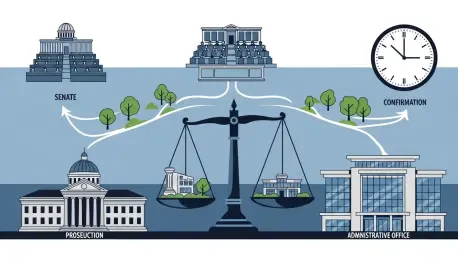
This roundup brings together views from Senate strategists, IG veterans, market analysts, and administration allies to frame what comes next: the OIG’s central role, Senate hardball led by Sen. Thom Tillis, the White House’s case for smarter scrutiny, and how it all narrows or widens Warsh’s runway as Powell nears his planned exit.
The Investigation Pivots While the Nomination Accelerates
From Prosecutors to Auditors: The OIG Inherits the Spotlight
Legal analysts across the aisle agreed that the Justice Department’s exit marks a threshold moment: criminal intent could not be substantiated, so the Federal Reserve’s Inspector General—already engaged at Powell’s request—now becomes the fact-finder that matters. IG practitioners note that document sweeps, interviews, and process tracing fit fiscal-management disputes better than criminal standards, which require evidence that was plainly missing.
Oversight aides point to Inspector General Michael Horowitz’s pledge to brief Congress within 90 days and to publish findings suitable for public scrutiny. Veteran auditors argue that transparent scope, timelines, and methodologies can rebuild trust faster than subpoenas ever could. Still, several former prosecutors flagged unresolved friction: Pirro’s late admission of thin evidence, the abandoned appeal of quashed subpoenas, and her stated option to reopen the case if warranted.
Senate Leverage Rewrites the Confirmation Script
Capitol Hill tacticians credit Tillis for using a procedural hold to fuse investigative posture with nomination timing. Majority Leader John Thune’s stance—that the probe had to be “figured out” first—made the hold determinative in a narrowly divided chamber where Democrats appear unified against Warsh. With DOJ out, Banking Committee action could come swiftly, letting the nomination speed ahead if Republicans hold together.
Whip counters, however, caution against complacency. Even if committee votes proceed as early as next week, OIG developments could color floor timing. Democratic strategists intend to lean on the renovation’s cost overruns to test swing votes, not on now-closed criminal allegations. That approach keeps political pressure alive without contradicting the DOJ’s conclusion.
The White House Message and GOP Guardrails on Accountability
Administration officials frame the moment as a refinement, not a retreat: taxpayers deserve answers, and the OIG is best equipped to deliver them. Communications advisers say the goal is to keep scrutiny rigorous while avoiding the spectacle of a baseless criminal chase—a narrative that resonates with budget hawks and governance reformers alike.
Republican leaders, including Tim Scott and French Hill, cheer DOJ’s withdrawal yet insist the price tag remains unacceptable. That combination—welcoming the end of criminal uncertainty while tightening expectations on oversight—sets a guardrail for Warsh and the Fed. Across the aisle, committee staffers concede there is no present criminal case but push for line-of-sight into contracts, change orders, and project controls.
Leadership Handoff Under a Deadline: Powell’s Endgame and Warsh’s Runway
Clock management now dominates. Powell’s chair term ends May 15, and he has said he will serve until a successor is confirmed while weighing whether to remain on the Board once the DOJ chapter is fully closed. That creates an incentive for Senate Republicans to move expeditiously while respecting the OIG’s timeline.
Warsh’s path, observers note, is clearer procedurally but not cost-free. Committee reporting, floor scheduling, and any interim IG signals could affect margins. Market strategists argue that a brisk, transparent handoff would minimize volatility, whereas delays might trigger contingency planning inside the Fed and more pointed questions about governance discipline.
What to Watch and How to Act Before May 15
Policy hands identify three near-term certainties: criminal exposure has faded; oversight will intensify under the OIG; and Senate tactics will decide how quickly a confirmation can land. Messaging around accountability, not leniency, remains pivotal to holding swing votes and maintaining market confidence.
Advisers to the White House and nominees recommend a disclosure-ready stance on renovation governance: document chains of authority, codify change-order thresholds, and commit to post-award audits. Congressional planners, in turn, can sequence hearings near the IG’s 90-day briefing window and demand a remediation plan with measurable benchmarks on project controls.
IG veterans and procurement experts suggest publishing a clear review scope and timeline now, alongside interim safeguards for capital projects—standardized cost dashboards, independent validation of major variances, and automatic triggers for external review when overruns breach preset limits. For markets and close observers, committee agendas, whip counts, and even partial IG updates could shift confirmation odds in real time.
Closing the Case Without Closing the Book
Across the viewpoints gathered here, a consistent arc emerged: separating criminal liability from administrative oversight reduced legal heat while preserving a robust path to accountability and clearing space for leadership transition at the Fed. The move lowered the temperature without turning off the lights.
Experts also stressed how this episode underscored two durable forces. Inspectors general are fast becoming the default forum for complex governance disputes that outstrip prosecutorial standards, and Senate procedural leverage can still make or break timelines in confirmation politics even when the underlying facts are uncontested.
The most pragmatic consensus ended on action: greater transparency, faster publication of IG parameters, and concrete contracting fixes would have validated DOJ’s exit, steadied the chair handoff, and sustained public trust long after the headlines faded.