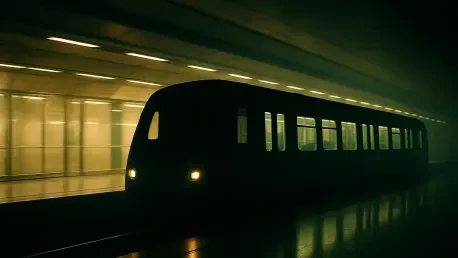

The strategic “piggybacking” of maintenance tasks ensures that station brightening, HVAC repairs, and power cable inspections occur simultaneously during major track closures. This approach represents a transformative era for the Massachusetts Bay Transportation Authority as it aggressively tackles the modernization of the Green Line, which remains the oldest subway route in the United States. By abandoning the traditional model of incremental, overnight repairs that often yielded only minimal results, the agency is now prioritizing a holistic overhaul of its century-old infrastructure. The current strategy focuses on replacing antiquated signal systems that have served the city since the late 19th century, frequently leading to service disruptions and safety concerns. Under the guidance of the Healey-Driscoll Administration, the agency is executing a vision that balances immediate service sacrifices for permanent reliability gains. This strategy reflects a commitment to ensuring that the regional economy is supported by a transit network that is as resilient as it is efficient.
Strategic Methodology: The Implementation of Unencumbered Access
Transitioning from short overnight work windows to intensive, multi-day service diversions represents the cornerstone of the updated operational philosophy. In the past, maintenance crews were limited to just a few hours of “third rail” time, where setting up and breaking down heavy machinery consumed a significant portion of the shift. By implementing nine-day, around-the-clock closures, the agency provides contractors with the necessary continuity to complete complex engineering feats that were previously impossible. This unencumbered access allows for the pouring of massive concrete foundations and the installation of miles of fiber-optic cabling in a single, uninterrupted flow. Experts in the transit industry highlight that such a methodology not only reduces the overall project duration but also ensures a much higher standard of construction quality. While these closures require passengers to adapt to temporary bus shuttles, the long-term benefit is a drastic reduction in the need for future emergency repairs.
The shift toward concentrated work periods also enhances the safety and efficiency of the labor force on the tracks. When a section of the tunnel is completely closed to train traffic, workers can operate with a level of freedom that the older, piecemeal approach could never afford. This environment allows for more rigorous inspections and the deployment of specialized heavy equipment that requires hours to properly calibrate. Furthermore, the 24/7 work model optimizes the use of specialized labor, as multiple shifts can hand off tasks seamlessly without losing momentum. This continuity is particularly vital for technical upgrades that involve the integration of modern software with physical track components. By committing to these intensive windows, the authority is effectively catching up on decades of deferred maintenance in a fraction of the time. This strategic decision signals a move toward a more disciplined and results-oriented management style that values long-term system health over the superficial appearance of constant service.
Technical Progress: Signaling and Hub Infrastructure Upgrades
At the heart of the current technical surge is a massive overhaul of the signaling architecture across the central subway tunnels. The project involves the meticulous routing of 72 miles of advanced signaling cable, which acts as the neurological system for the entire Green Line. As of the current stage, more than 40 miles have been successfully laid, with a record-breaking 20 miles installed during the most recent nine-day construction surge. These upgrades are particularly focused on high-traffic hubs like Copley, Park Street, and Government Center, where the complexity of the interlocking tracks demands extreme precision. The transition from 19th-century mechanical relays to digital signaling is essential for managing the high-frequency demands of a modern metropolis. Once fully operational, these systems will provide dispatchers with real-time data on train positioning, allowing for tighter headways and significantly reduced congestion. This leap in technology is a foundational requirement for the safe operation of future high-capacity rolling stock.
Detailed progress at the individual station level demonstrates the scale of the commitment to infrastructure health. For instance, the modernization work near Copley Station is nearing its final stages, with cable routing and track-area equipment installation reaching nearly 95 percent completion. At the same time, the project at Park Street is advancing with the construction of a new, dedicated signal communications room that will serve as a localized center for the junction. This facility is critical for housing the sophisticated servers and networking hardware required to run the automated safety layers of the system. Government Center has also seen significant milestones, with infrastructure components reaching 95 percent readiness. Following the completion of the physical installation, a rigorous testing and commissioning phase will begin. This process ensures that every sensor and circuit functions perfectly before it is relied upon for daily passenger service. This methodical validation process is designed to prevent the teething issues that often accompany the deployment of new transit technologies.
Operational Efficiency: The Strategic Piggybacking Methodology
The concept of piggybacking has become an essential tool for maximizing the productivity of every hour the tracks are closed to the public. By coordinating various maintenance departments, the authority is able to address diverse needs ranging from heavy structural repairs to minor aesthetic improvements within a single outage. While signal technicians are busy with fiber-optic connections, separate crews are often engaged in station brightening initiatives. This includes deep cleaning, painting, and the repair of lighting fixtures at every stop between Kenmore and North Station. Improving the visual and physical environment of the stations is more than just a cosmetic choice; it enhances the overall safety and comfort of the passenger experience. Simultaneously, mechanical teams utilize the downtime to inspect and repair HVAC systems and ventilation fans that are often difficult to access during normal operations. This multi-disciplinary approach ensures that the agency does not have to close the same section of the track multiple times for different reasons.
Beyond the stations, the piggybacking strategy extends deep into the structural integrity of the tunnel system itself. At the Park Street hub, workers recently completed over 400 feet of full-depth track reconstruction, a process that involves replacing both the wooden ties and the stone ballast. This heavy-duty maintenance is vital for stabilizing the rails and reducing the intense vibrations that contribute to the wear and tear of both the tracks and the trains. Furthermore, electrical crews take these opportunities to inspect high-voltage power cables and underground access boxes that are prone to moisture damage in older tunnels. Addressing these issues proactively helps prevent the unplanned power failures that have historically caused systemic delays throughout the network. The integration of the Green Line Train Protection System also progresses during these periods, adding an automated layer of safety to prevent collisions and over-speeding incidents. This comprehensive maintenance strategy transforms a simple track closure into a multifaceted renewal project.
Future Readiness: Integrating the Next Generation Fleet
A primary driver behind the current pace of construction is the imminent arrival of the Type 10 fleet, often referred to as the Green Line super-cars. These new vehicles are significantly longer and wider than any currently in service, featuring a low-floor design that provides level boarding for passengers with disabilities. However, the ancient geometry of the central tunnels, which were originally built to accommodate small, 19th-century trolleys, presents significant clearance challenges. To ensure a smooth transition, crews are actively modifying platform edges and curbs between Boylston and Haymarket. This work involves precision demolition and reconstruction to provide the necessary millimeters of clearance required for the larger Type 10 profile. These adjustments are essential for maximizing the utility of the new fleet, which is expected to increase passenger capacity and speed up boarding times. By future-proofing the tunnels today, the authority is ensuring that the investment in new rolling stock delivers its full potential when the first trains enter service next year.
In addition to platform modifications, specialized engineering work is being performed at several high-stress points within the network. Sharp curves, such as the Brattle Loop near Government Center, require the relocation of overhead catenary wires to accommodate the different pantograph positions and vehicle lengths of the Type 10 cars. These catenary adjustments are highly technical, requiring precise tensioning to ensure a reliable power connection as the larger trains navigate tight turns. At the same time, signal sensors must be recalibrated to recognize the longer wheelbase of the new vehicles, ensuring that automated safety systems provide accurate spacing and detection. This level of preparation highlights the complexity of integrating 21st-century technology into a system that has been in continuous operation for over a hundred years. The successful deployment of these super-cars will represent a major milestone in the modernization journey, offering a tangible improvement in the daily commute for thousands of residents. This proactive infrastructure readiness program demonstrates a forward-thinking approach.
Socioeconomic Impact: Transparency and Regional Growth
The successful completion of the recent modernization phases provided a clear blueprint for how legacy transit systems can be revitalized through disciplined engineering and strategic planning. By prioritizing comprehensive outages over fragmented repairs, the authority demonstrated that rapid progress was achievable when technical teams were given the resources and time needed to perform deep-seated upgrades. The investment in digital signaling and structural reconstruction laid the groundwork for a more dependable economy, reducing the environmental footprint of the region by providing a legitimate alternative to car travel. Moving forward, the focus shifted toward the final testing of integrated systems and the full-scale deployment of the Type 10 fleet. To maintain this momentum, it remained vital for the agency to keep providing clear, data-driven updates to the public, ensuring that transparency fostered trust in the ongoing transformation. The lessons learned from these intensive work windows served as a model for future projects, emphasizing that modernizing the oldest subway was a necessary evolution.
Looking ahead, the commitment to the unencumbered access model suggested a permanent change in how transit infrastructure was managed throughout the state. Authorities began exploring how similar multi-disciplinary closures could benefit the Red and Orange lines, applying the successes of the Green Line to other aging corridors. The emphasis on future-proofing became a standard part of procurement processes, ensuring that every new vehicle or signal system was designed with the next fifty years in mind. Furthermore, the focus on station brightening and accessibility improvements established a new standard for passenger dignity, proving that a high-functioning system must also be a welcoming one. As the network moved closer to its goal of full modernization, the focus turned toward optimizing the energy efficiency of the new systems, integrating renewable power sources into the traction power grid. These steps ensured that the transit system not only supported economic growth but also contributed to the state’s broader climate goals. Ultimately, the transformation of the Green Line served as a catalyst for a wider renewal of public infrastructure.