
The ongoing surge in residential utility shutoffs across the state of Ohio has created a public health and economic emergency that many advocates describe as a breaking point for low-income families. As energy prices continue to outpace wage growth, the simple necessity of heating or cooling a home has transformed into a luxury that hundreds of thousands of people can no longer reliably afford. This crisis is not an isolated phenomenon but the result of several overlapping systemic pressures, ranging from shifts in global fuel markets to specific local policy decisions that have left the Buckeye State uniquely vulnerable to price volatility. For residents already struggling with the rising costs of housing and groceries, an unexpected spike in a monthly electric bill often serves as the catalyst for a total financial collapse. The current situation highlights a growing disparity between the operational goals of major utility corporations and the basic survival needs of the public they are chartered to serve.
The Growing Scale of the Affordability Crisis
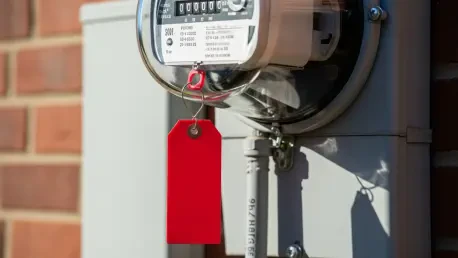
Recent data from state regulatory agencies paints a grim picture of the current landscape, with an average of 7.7 percent of customers serviced by regulated utilities experiencing a loss of service due to non-payment. This figure represents roughly 345,000 households that have been left without power, a staggering statistic that points to a widespread inability to keep up with current rate structures. Perhaps more concerning is the fact that the average amount of debt owed at the time of a shutoff has risen to approximately $558, making the prospect of reconnection nearly impossible for families living paycheck to paycheck. These disconnections are occurring at a time when electricity is more critical than ever, with many residents relying on power for medical equipment, remote work, and basic temperature regulation in an increasingly extreme climate. This volume of shutoffs suggests that existing payment assistance programs are being overwhelmed by the sheer scale of the financial need.
The rapid escalation of energy costs in Ohio has notably outpaced the national trend, with electricity prices jumping by more than 53 percent compared to a 32 percent increase seen elsewhere across the United States. A significant portion of this local surge can be attributed to the massive power demands of newly constructed data centers that have expanded across the region to support emerging technologies. While these industrial projects bring investment, they also necessitate expensive upgrades to the power grid and transmission lines, the costs of which are often passed directly to residential consumers through increased monthly fees. Furthermore, the aging infrastructure of the regional grid has required extensive maintenance and modernization to prevent widespread failures during severe weather events. Without a fundamental change in how these capital improvements are financed, the burden of maintaining a functional and reliable energy network will continue to fall disproportionately on the state’s most vulnerable.
Policy Impacts and Potential Avenues for Reform
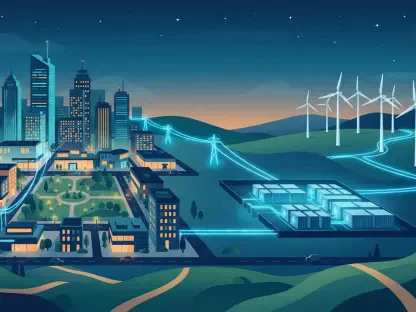
Political decisions and regulatory hurdles have played a central role in limiting the state’s ability to transition toward more affordable and diverse energy sources. In the current landscape, federal shifts away from renewable energy incentives have slowed the progress of wind and solar initiatives that could provide lower-cost alternatives to traditional fossil fuels. Meanwhile, state-level regulations have made the permitting process for clean energy projects significantly more difficult, effectively locking the state into a more expensive and less flexible energy portfolio. The aftermath of legislative scandals has also led to the dismantling of robust energy-efficiency programs that previously helped residents manage their monthly consumption. By removing these tools, policymakers have made it harder for families to proactively lower their bills through better insulation or high-efficiency appliances. Restoring these programs is essential to providing a pathway for consumers to regain control over their expenses.
Stakeholders addressed these challenges by advocating for a comprehensive overhaul of the utility oversight process to prioritize consumer protection alongside corporate stability. One key recommendation involved the implementation of a percentage-of-income payment plan that allowed the most vulnerable residents to maintain essential services based on their actual financial capacity. Additionally, experts suggested that reallocating a portion of the record profits reported by utility companies toward grid modernization could have offset the need for aggressive residential rate hikes. The restoration of state-funded weatherization programs provided a tangible way for communities to reduce their overall energy footprint while improving the quality of the local housing stock. Moving forward, a shift toward decentralized energy production and increased investment in community solar offered a method to break the monopoly on power generation and lower costs through competition. Taking these steps ensured that energy remained a public utility rather than a source of persistent financial hardship.