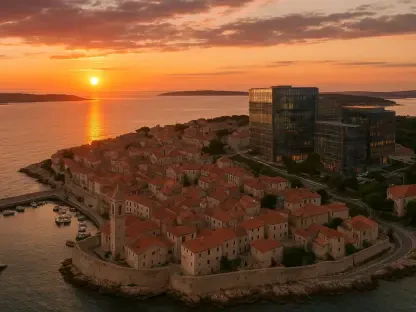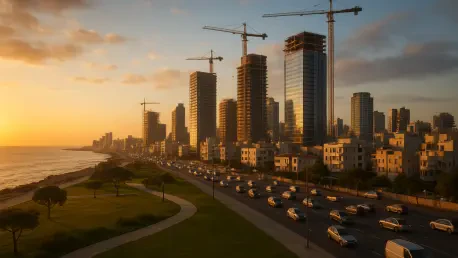

The current ‘piecemeal approach’ to the housing crisis is being criticized for benefiting wealthy developers while ignoring the requisite infrastructure needed for sustainable growth. In the coastal city of Wollongong, this sentiment has fueled a massive wave of public dissent as residents witness a dramatic shift in their urban landscape. While the New South Wales government argues that rapid densification is the only viable solution to the escalating affordability crisis, locals point to the lack of planning for schools, parks, and healthcare facilities. The “Wrong for the Gong” movement has successfully mobilized hundreds of citizens who are not necessarily anti-development but are firmly pro-infrastructure. They argue that without a holistic vision, the city risks transforming into a congested urban sprawl that lacks the very charm and utility that currently attract people to the area. The friction between top-down state mandates and bottom-up community needs is defining the current political landscape, as the city faces a defining moment in its modern evolution.
The Strain on Infrastructure and Planning Integrity
Population Surges and Regulatory Bypassing
The community is particularly alarmed by the radical acceleration of population growth timelines, which have essentially discarded the Wollongong City Council’s original 20-year strategic plan. While the initial vision aimed to double the CBD’s population by 2046 through measured and incremental growth, new state-supported reforms could see thousands of new residents and vehicles arrive within just three to six years. This compressed timeline creates an immense vacuum in service delivery, as the physical capacity of the city was never designed to absorb such a high volume of inhabitants in such a short window.
Community leaders argue this represents a flagrant breach of established height restrictions and a total erosion of local authority. State bureaucrats and developers are seen as overriding the “Flinders Street Urban Plan,” a document that was originally designed to maintain urban sanity and protect the heritage of the region. By bypassing these local regulations, the state government is effectively silencing the voices of those who understand the city’s unique geographical limitations. This regulatory overreach has sparked fears that the democratic process is being sacrificed to meet arbitrary housing targets.
Transportation Woes and the Commuter Crisis
The prospect of adding thousands of new residents is further complicated by the existing “hybrid life” of the region’s workforce, where 26,000 people already commute to Sydney on a daily basis. With only a small fraction of these commuters utilizing the rail network and the majority relying on congested roads, the current transportation system is viewed as insufficient for any significant growth. The M1 motorway already experiences significant delays during peak hours, and adding more high-density residential blocks without expanding road capacity will likely lead to complete gridlock for local workers.
Without concurrent investment in rail upgrades or road expansions from 2026 to 2029, residents fear that the already grueling 90-minute journey to Sydney will become even more unfathomable. The lack of a high-speed rail link or increased frequency on the South Coast Line remains a major sticking point for the community. Many believe that the state is putting the cart before the horse by inviting residents to move to the city before providing them with a reliable way to travel to their jobs. This logistical gap threatens to turn Wollongong into a dormitory suburb characterized by permanent traffic congestion.
Quality of Life and Political Accountability
Risks of Low-Quality Housing and Urban Decay
Beyond the physical infrastructure, there is deep-seated anxiety regarding the actual quality of the housing being constructed under these new fast-track approvals. Critics have characterized many of the new units as “shoeboxes without balconies,” sparking fears that the city is inadvertently building the “slums of the future” through poor design. The concern is that these high-density environments prioritize developer profits over the mental health and well-being of inhabitants. Small living spaces without access to natural light or outdoor areas are viewed as a regression in modern architectural standards.
The long-term legacy of social and architectural failure could haunt the city for decades if these projects are allowed to proceed without stricter oversight. There is a growing consensus that the city’s aesthetic value and long-term character are being sacrificed for short-term housing targets, creating a “wall of development” that permanently alters the gateway to the city. This visual and structural shift is not just about aesthetics; it is about the sustainable health of the community. Urban decay often begins with poorly planned high-rise projects that fail to foster a sense of belonging or community among their residents.
Environmental Safety and Flooding Concerns
Of particular concern to the local working groups is the risk of flooding, as many of the proposed high-density sites are located on land historically prone to severe inundation. Current planning appears to be disregarding critical safety protocols in favor of speed, which could lead to catastrophic property damage and safety risks during extreme weather events. The Illawarra’s unique topography means that stormwater runoff is a constant challenge, and replacing permeable ground with concrete high-rises will only exacerbate the volume of water entering the city’s aging drainage systems.
Residents have demanded that every piece of supporting infrastructure, specifically stormwater management and emergency access routes, be fully planned and costed before approvals continue. They argue that building 38-story towers on floodplains is a recipe for disaster that ignores the realities of the local climate. The refusal of state planners to address these environmental hazards has further damaged public trust. For the community, safety is a non-negotiable requirement that must take precedence over the desire to increase the housing supply at any cost, especially in a region defined by its narrow coastal plain.
Demands for Transparent Governance and Future Action
The political discourse surrounding the development surge has drawn sharp criticism from labor leaders and local councillors who represent the region’s interests. Representatives from the South Coast Labour Council called for a “Minister for Development, not a Minister for Developers,” highlighting a need for evidence-based planning rather than profit-driven approvals. This shift in rhetoric reflected a broader demand for transparency and a return to community-led decision-making. The sentiment remained clear: the city’s future should be determined by those who live in it, rather than by distant bureaucrats.
The community movement ultimately solidified its stance by issuing a unanimous demand for the reinstatement of the Council’s original height limits. They insisted on a total halt of new approvals until every piece of supporting infrastructure—from pedestrian pathways to stormwater systems—was scheduled for delivery. This collective action sent a powerful message to the state government, emphasizing that growth without a foundation is unsustainable. By prioritizing the structural and social integrity of the city, the residents sought to ensure that Wollongong remained a livable and vibrant gateway for generations to come.