
Arizona’s extreme climate has long necessitated high energy consumption during the blistering summer months, but the current economic environment has pushed traditional cooling costs beyond the reach of many working families. Recent regulatory shifts in energy efficiency standards have contributed to rising monthly bills, forcing the state to create new safety nets for middle-class residents. While low-income assistance programs have existed for decades, a significant portion of the population—often referred to as the “squeezed middle”—has historically earned too much to qualify for aid yet too little to absorb sudden price hikes comfortably. State officials have now recognized this disparity, implementing a comprehensive expansion of utility assistance that targets households earning between 60 and 80 percent of the area median income. This initiative reflects a broader shift in policy that acknowledges energy access as a fundamental necessity for public health and economic stability in the desert.
Scaling Support for the Missing Middle
Revised Income Thresholds and Inclusion
The new framework moves away from static income caps that failed to account for the inflationary pressures seen throughout the first half of the year. By utilizing dynamic data points based on local cost-of-living indices, the state can now adjust eligibility in real-time, ensuring that those experiencing temporary financial shocks remain connected to the grid. This modernization of the application process removes the bureaucratic hurdles that previously deterred middle-income families from seeking help, replacing lengthy paperwork with an automated verification system linked to state tax records. Such integration allows the Department of Economic Security to process applications with unprecedented speed, providing approval in days rather than months.
Furthermore, the inclusion of multi-generational households within these new brackets addresses a growing demographic trend in the Southwest. Many families currently supporting aging parents or adult children found themselves excluded under older rules that did not weigh the total number of occupants against a single earner’s salary. The revamped system prioritizes the actual cost of living per household member, providing a more equitable distribution of funds. This nuanced approach ensures that the assistance reaches those who are truly struggling under the weight of modern utility demands. By widening the net, the state protects the financial health of the workforce, preventing a cycle of debt triggered by seasonal energy spikes that are becoming the new normal.
Direct Financial Relief Mechanisms
Direct credits applied to monthly statements serve as the primary tool for immediate relief, bypassing the need for complex reimbursement cycles. These credits are scaled according to seasonal demand, providing higher levels of support during the peak of summer when air conditioning units run nearly continuously. By integrating these payments directly into the billing cycle, the state minimizes the risk of service disconnections for those who are narrowly missing their payment deadlines. This system allows families to maintain a consistent budget even when temperatures exceed historic averages for weeks at a time. The transparency of this credit system also helps residents track their usage more effectively, as the aid is clearly delineated on every digital statement.
In addition to direct billing credits, the program offers tiered rebates for high-efficiency appliance upgrades that were previously cost-prohibitive for the middle class. These incentives cover a significant portion of the installation costs for smart thermostats and heat pump systems, which reduce overall consumption in the long run. Transitioning to these technologies allows residents to lower their baseline energy needs, creating a permanent reduction in their monthly expenses. This strategy combines short-term financial breathing room with long-term improvements in household energy management. It empowers homeowners to take control of their carbon footprint while simultaneously insulating themselves from future volatility in the global energy market.
Long-Term Strategies for Grid Resilience
Modernization of Energy Distribution Systems
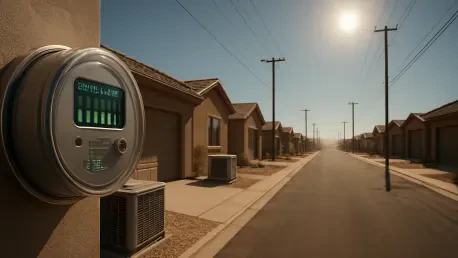
As the state bolsters financial aid, it is simultaneously investing in the physical infrastructure that carries power to these expanding communities. Modernizing the grid involves deploying advanced metering infrastructure and automated load balancing to prevent the localized outages that often plague residential neighborhoods during heatwaves. These upgrades ensure that the energy delivered is not only affordable but also reliable, reducing the need for costly emergency repairs that eventually trickle down to the consumer. A robust grid acts as a foundation for all other financial assistance measures, as it minimizes the wasted energy that occurs in outdated transmission lines.
Moreover, the integration of distributed energy resources, such as community solar projects, provides a localized buffer against fluctuating wholesale prices. By allowing middle-income neighborhoods to tap into shared renewable sources, the state reduces the dependence on long-distance transmission lines which are vulnerable to extreme weather events. This localized approach to energy production stabilizes the market and offers a more predictable pricing structure for residents. Such investments in the backbone of the utility sector are essential for maintaining the viability of the newly expanded assistance programs. These projects also create local jobs, further strengthening the economic resilience of the very communities receiving utility support.
Strategic Integration and Future Outcomes
The successful rollout of these initiatives demonstrated the importance of proactive governance in the face of evolving environmental challenges. State leaders focused on creating a sustainable model that prioritized consumer protection while fostering technological innovation across the energy sector. By bridging the gap for middle-income residents, Arizona established a blueprint for other regions facing similar socioeconomic pressures. The program successfully mitigated the risk of energy poverty for thousands of households that were previously left without a safety net during periods of extreme demand. This intervention proved that targeted economic relief could coexist with aggressive modernization goals without compromising the utility provider’s operational integrity.
Moving forward, stakeholders recommended continuous monitoring of energy market trends to refine aid distribution strategies. It was concluded that the integration of artificial intelligence for predictive load management offered the best path toward maintaining low rates. The state transitioned toward a more resilient energy economy by ensuring that utility costs remained manageable for all residents regardless of their income bracket. This comprehensive strategy secured the state’s economic future by stabilizing the financial health of the workforce and modernizing the infrastructure upon which everyone depended. Legislators emphasized that the project’s success relied on the seamless coordination between public policy and private utility performance.