
The silent hum of a modern smartphone and the propulsion of a high-performance electric vehicle both trace their origins back to deep earthen veins that have recently become the front lines of global economic sovereignty. Domestic extraction has evolved far beyond the primitive imagery of the past, transforming into a sophisticated high-tech ecosystem that underpins the production of semiconductors and aerospace components. This revitalization is not merely an industrial trend but a strategic necessity as the nation seeks to decouple its technological future from volatile foreign supply chains. By focusing on a specialized network of only fourteen accredited mining schools, federal authorities are attempting to anchor this resurgence in academic excellence and long-term stability.
The move toward American mineral dominance is being fueled by a coordinated push from both government agencies and private industry titans. High-level strategies now emphasize the extraction of rare earth elements that are vital for the next generation of defense systems and green energy infrastructure. This shift necessitates a workforce that is as comfortable with data science as it is with geological engineering. As organizations like Rio Tinto and Komatsu integrate more deeply with domestic research initiatives, the boundary between the university laboratory and the industrial site continues to blur.
Central to this effort is the realization that technological independence is impossible without a robust domestic mining sector. The federal government has recognized that relying on overseas sources for critical minerals creates a profound vulnerability in the national security framework. Consequently, the revitalization of the mining powerhouse involves not just physical extraction, but the creation of a self-sustaining cycle of innovation that keeps the United States at the forefront of global resource management.
Catalysts for Change: Technological Shifts and Market Dynamics
Pioneering Innovation: From Pickaxes to Artificial Intelligence
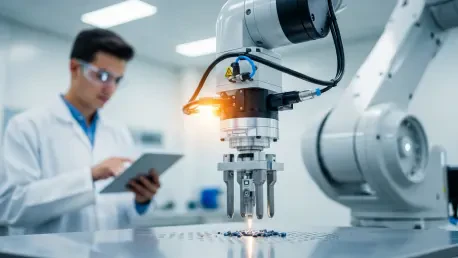
The transition from physical labor to algorithmic precision defines the current state of mineral exploration and recovery. Automation and robotics have largely replaced manual drilling in many sectors, allowing for safer and more efficient resource recovery in challenging subterranean environments. Artificial intelligence is now utilized to analyze seismic data and predict the location of ore bodies with unprecedented accuracy. This technological leap reduces the environmental impact of exploration by minimizing unnecessary excavation and optimizing the path to high-grade deposits.
Consumer demand for ethically sourced and clean minerals has further accelerated the adoption of sustainable extraction methods. Market dynamics are shifting as purchasers prioritize transparency and environmental stewardship in the raw materials used for their products. To meet these expectations, the industry is implementing closed-loop water systems and low-carbon processing techniques that significantly reduce the ecological footprint of traditional mining operations. These innovations are transforming the public image of the sector into one of high-tech environmental responsibility.
The role of advanced mineral-processing plants is also expanding as they become the nervous system of the domestic supply chain. These facilities use sophisticated chemical and physical processes to ensure that raw materials are refined to the extreme standards required for modern electronics and energy storage. By modernizing these plants within American borders, the industry is securing the final stages of production that were previously outsourced to competitors. This logistical shift ensures that value remains within the domestic economy while protecting sensitive intellectual property.
Quantifying the Growth: Economic Impact and Strategic Projections
Market indicators suggest a massive surge in demand for critical minerals such as copper, silicon, nickel, and zinc through the end of the decade. These materials serve as the essential building blocks for solar panels, wind turbines, and the massive battery arrays required for grid-scale energy storage. Economic analysts project that the domestic sector will experience significant growth as the transition to a low-carbon economy accelerates. The ability to meet this demand domestically is directly tied to the recent infusion of one hundred eighty million dollars in federal investment aimed at industrial expansion.
The performance of the domestic mining sector has shown marked improvement following the implementation of strategic funding packages. This capital is being used to reopen dormant mines and fast-track the development of new extraction sites that were previously considered economically unfeasible. Initial data suggests that these investments are already beginning to shorten supply chains and reduce the costs associated with importing raw materials from unstable regions. This financial momentum is crucial for maintaining the competitive edge of American manufacturers who rely on these resources.
Forward-looking forecasts indicate a steady reduction in the eighty percent reliance on foreign mineral sources that has historically plagued the domestic market. By focusing on the internal production of high-value minerals, the United States is positioned to reclaim its role as a global leader in resource innovation. Reducing this dependency is not just an economic goal but a strategic mandate that ensures the country remains resilient against global market shocks and trade disputes.
Navigating the Impending Talent Drought and Operational Hurdles
The industry is currently facing a looming retirement cliff that threatens to destabilize decades of operational expertise. Projections indicate that over two hundred twenty-one thousand experienced workers will leave the workforce by 2029, creating a massive vacuum in leadership and technical skill. This demographic shift occurs at the exact moment when the industry requires more talent than ever to manage its high-tech transition. Without a swift and effective strategy to recruit and train a new generation, the domestic mining sector could face significant operational delays.
Decades of erosion in academic infrastructure have left the country with a dangerously small number of institutions capable of producing mining engineers. The disappearance of specialized mining colleges has weakened the pipeline of qualified graduates who are essential for managing complex extraction projects. Reversing this trend requires more than just funding; it necessitates a total reimagining of how mining is taught and perceived in the higher education system. Academic institutions must now compete with other high-tech sectors to attract the brightest minds in engineering and earth sciences.
Public perception remains one of the most significant hurdles in attracting a tech-savvy, younger generation to the field. Many potential students still associate mining with outdated and inaccurate imagery of manual labor and environmental degradation. To overcome this, the industry is highlighting the high-tech reality of the profession, emphasizing roles in robotics, software development, and environmental science. Changing this narrative is essential for building a diverse and capable workforce that can navigate the challenges of the modern industrial landscape.
The Regulatory Framework and National Security Mandates
The implementation of the PROSPECT program represents a definitive step toward securing the mineral supply chain through educational expansion. By aiming to double the number of mining graduates, the program addresses the human capital deficit that has long hampered domestic growth. This initiative aligns federal resources with academic goals, ensuring that students are trained specifically in the critical technologies required for national independence. The program functions as a catalyst for institutional growth, providing the necessary support for universities to expand their capacity.
Funding from the Department of Energy and the Department of War has introduced new standards for research and security within the mining sector. These investments are directed at ensuring that the entire lifecycle of mineral production is shielded from foreign interference and cyber threats. By establishing high institutional standards, the federal government is fostering an environment where innovation can thrive without compromising national security. This policy framework ensures that every dollar spent contributes to the long-term resilience of the American industrial base.
Compliance measures are increasingly focused on the intersection of sustainability and safety, reflecting a broader shift in federal policy. Regulations now mandate more rigorous environmental protections and worker safety protocols, which are integrated into the funding requirements for new projects. These mandates ensure that the push for mineral dominance does not come at the expense of ecological health or human well-being. By prioritizing these values, the regulatory framework is helping to build a more sustainable and socially responsible industry.
Forging the Path Forward: The Era of High-Tech Mineral Extraction
The University of Arizona has pioneered a model for the mining school of the future by integrating advanced research with hands-on experience. This approach ensures that graduates are not only theoretically proficient but are also ready to step into high-pressure industrial environments on day one. By fostering a research ecosystem that includes artificial intelligence and sustainable processing, the university is setting a new standard for mineral education. This model is being replicated across the remaining accredited schools to create a unified national front for workforce development.
Hands-on facilities like the San Xavier Underground Mining Laboratory play a vital role in bridging the gap between the classroom and the field. Students at these facilities gain experience with industry-standard equipment and real-world challenges, such as underground infrastructure maintenance and automated extraction. The recent expansion of these laboratories to include mineral-processing plants allows for a more comprehensive understanding of the entire production cycle. This practical training is indispensable for developing the problem-solving skills required in modern mining operations.
Emerging disruptors like hydrometallurgical processes and heat-based sorting are revolutionizing how materials are separated and refined. These technologies allow for the recovery of minerals from lower-grade ores that were previously considered waste, significantly increasing the efficiency of existing mines. As these methods are perfected in tech proving grounds, they are being quickly adopted by industry partners seeking to optimize their production. The rapid deployment of these innovations is a testament to the strength of current industry-academic partnerships.
Bridging the Gap Between Academic Rigor and Industrial Sovereignty
The strategic alignment between federal investment and academic institutions established a foundation for a more resilient mineral economy. By prioritizing the expansion of programs like PROSPECT, the industry addressed the most critical bottlenecks in the supply chain. These efforts successfully integrated technological innovation with workforce development, ensuring that the United States maintained its leadership in the global resource sector. The focus on high-tech education provided the human capital necessary to operate advanced extraction and processing facilities within domestic borders.
Academic institutions proved to be essential partners in shielding the mineral supply chain from external vulnerabilities. The creation of hands-on training environments and research hubs allowed for the rapid testing and implementation of sustainable mining practices. These initiatives mitigated the impact of the impending labor shortage by attracting a new demographic of engineering talent. The collaborative framework between the government and universities fostered an environment where economic growth and national security were pursued simultaneously.
Long-term stability was achieved through a commitment to domestic refining and processing capabilities. This shift reduced the reliance on foreign entities and ensured that the benefits of mineral extraction remained within the local economy. The revitalized workforce successfully navigated the complexities of modern environmental regulations while increasing production efficiency. These outcomes demonstrated that a well-funded and strategically directed education system was the primary driver of American industrial sovereignty.